Banner
Pilot Study: Fibromyalgia Fatigue Improved By TENS Therapy

Fibromyalgia is the term for a poorly-understood condition where people experience pain and fatigue...

High Meat Consumption Linked To Lower Dementia Risk

Older people who eat large amounts of meat have a lower risk of dementia and cognitive decline...

Long Before The Inca Colonized Peru, Natives Had A Thriving Trade Network

A new DNA analysis reveals that long before the Incan Empire took over Peru, animals were...

Mesolithic People Had Meals With More Tradition Than You Thought

The common imagery of prehistoric people is either rooting through dirt for grubs and picking berries...

User picture.
News StaffRSS Feed of this column.

News Releases From All Over The World, Right To You... Read More »

Blogroll
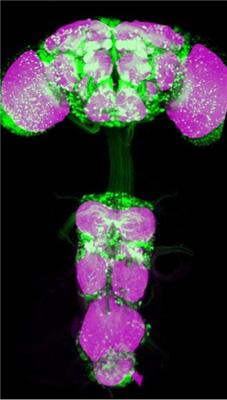
How the bundles of neurons in the brain control behavior remains an ongoing mystery and sexual behavior is among the biggest mysteries of all.

Not only do animals come in different shapes and sizes, but they all exhibit different behaviors as well - each species is born with its own unique set of innate behaviors but how they are controlled by the brain is not well understood.   Drosophila melanogaster , the 'fruit fly', is a big help in this sort of research because sex is a behavior the fruit fly does well. Their reproductive prowess has ensured their place throughout the world.
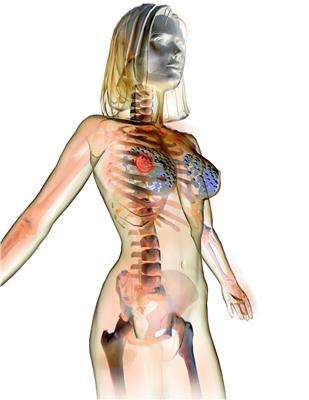
Breast cancer affects over 10% of women in Europe, the UK and USA, making it one of the most common cancers. Large population studies such as the Women’s Health Initiative and the Million Women Study have shown that progestins, synthetic sex hormones used in hormone replacement therapy (HRT) and in contraceptives, can increase the risk of breast cancers.

Medical researchers at the Institute of Molecular Biotechnology of the Austrian Academy of Sciences in Vienna have identified a key mechanism which allows these synthetic sex hormones to directly affect mammary cells.
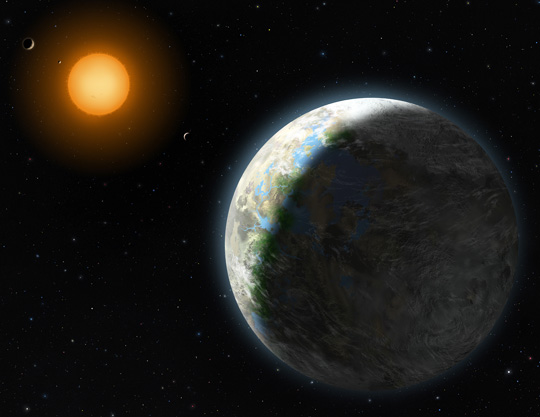
A team of planet hunters has announced the discovery of an Earth-sized planet (three times our mass) orbiting nearby star Gliese 581 at a distance that places it squarely in the middle of the star's 'habitable zone', where liquid water could exist on the planet's surface.

If confirmed, this would be the most Earth-like exoplanet yet discovered among the nearly 500 known extrasolar planets - and the first strong case for a potentially habitable one.  To astronomers, a 'potentially habitable' planet is one that could sustain life, not necessarily one that humans would consider a nice place to live. Habitability depends on many factors, but liquid water and an atmosphere are among the most important. 
A new technology can make nanoscale protein measurements - which may mean understanding the effects of therapeutic agents in tumor cells and different cell populations within patients, a key step toward being able to tailor therapy for each patient.

Currently, research on cancer agent activity requires patients to undergo several invasive biopsies to generate enough cells for testing.   A group of researchers have developed a highly sensitive test called the nano-immunoassay (NIA) that can make nanoscale protein measurements in cells from minimally invasive blood draws or fine-needle aspirates. The researchers used a microfluidic instrument called the Nanopro1000.  
Quick, what's the world's favorite beverage?

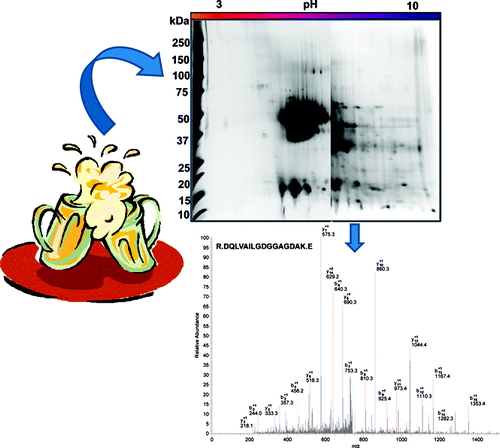
If you said 'beer', you're wrong, water and tea are way ahead, but it means the most comprehensive deciphering of the beer's proteome (the set of proteins that make beer "beer") ever reported will interest you just the same.   Their report on the beer proteome could give brewers a new way to engineer and even customize the flavor and aroma of beer by experimenting with the proteinaceous components.

Beer is the world's favorite alcoholic beverage, so you needn't feel bad about your beverage answer.
Can crowdsourcing lead to better medicine?   

Crowdsourcing is used in astronomy and protein folding in biology, along with engineering and computer software. But can the 'wisdom of crowds' also help cure disease?

It's certainly possible.  An unheralded clockmaker in England named John Harrison showed that longitude could be determined by using a timepiece, making the study of astronomy by experts overkill and revolutionizing travel by sea

A group at Harvard created The Challenge in February to find out if citizen science could work for diabetes research too, and their results are in.