If you drink bottled water, soda (or pop, depending on whether you are from Philadelphia or Pittsburgh), or a micro brew-beer in Dallas, Denver or numerous other American cities, you may be carrying an 'iso-signature', a natural chemical imprint related to that geographic location.
Iso-signatures are a chemical in imprint in hair due to beverages may and could be used to track your travels over time, a new study suggests in the Journal of Agricultural and Food Chemistry.
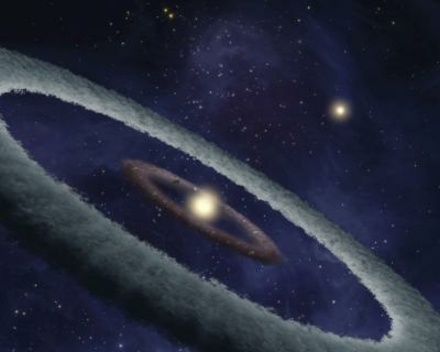
It's been a good month for cosmic wonderment. The Wide Field Imager (WFI) at ESO’s La Silla Observatory in Chile caught the region around the star R Coronae Australis and on June 13th, the Japanese spacecraft Hayabusa returned after 7 years and 1.25 billion miles on a mission to gather material from the comet Itokawa.
It exploded over the Australian outback - intentional, it seems, since it had parachuted its cargo already. At least we hope it has cargo. It experienced some malfunctions on the trip and the researchers will let us know, since they have already picked it up.
But we get cosmic fireworks, so thanks Japan.
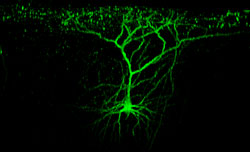
Neural circuitry is constantly changing to meet the challenges of its environment and ahead of his presentation on July 6th, sponsored by The Kavli Foundation , at the 7th FENS Forum of European Neuroscience in Amsterdam, Tobias Bonhoeffer, director at the Max Planck Institute of Neurobiology in Martinsried, Germany, offers insight into how new techniques enable researchers to watch this process of adaptation as never before.
What happens to our brains as we experience the outside world? Scientists have learned that the brain undergoes structural changes as it absorbs sensory data, learns and adapts, but the actual mechanism of this process is just now coming into view.
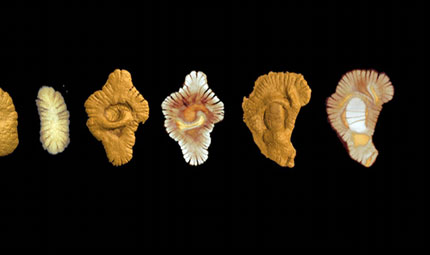
The existence of multicellular organisms, the first complex life forms (made up of several cells) has been extended from about 600 million years in the past to over 2 billion years ago, according to research published in Nature.
That means organized life is a lot older than was scientifically accepted, though older existence was obviously assumed because the first traces of life appeared in the form of prokaryotic organisms (without a nucleus) 3.5 billion years ago. The "Cambrian explosion" 600 million years ago marked a proliferation in the number of living species and was accompanied by a sudden rise in oxygen concentration in the atmosphere.
We meet many of the same people every day but without the ability to recognize faces at first glance, our lives would be a confusing mess. Imagine asking your boss for coffee or a waitress to place a phone call.
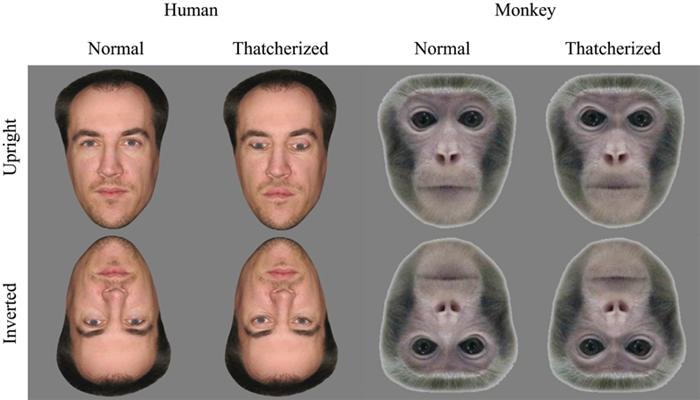
Monkeys also possess the ability to distinguish between faces of group members and to extract the relevant information about the individual directly from the face. With the help of the so-called 'Thatcher illusion', scientists of the Max Planck Institute for Biological Cybernetics in Tübingen, Germany, have examined how people and macaque monkeys recognize faces and process the information in the brain. They found out that both species perceive the faces of their kin immediately, while the faces of the other species are processed in a different way.
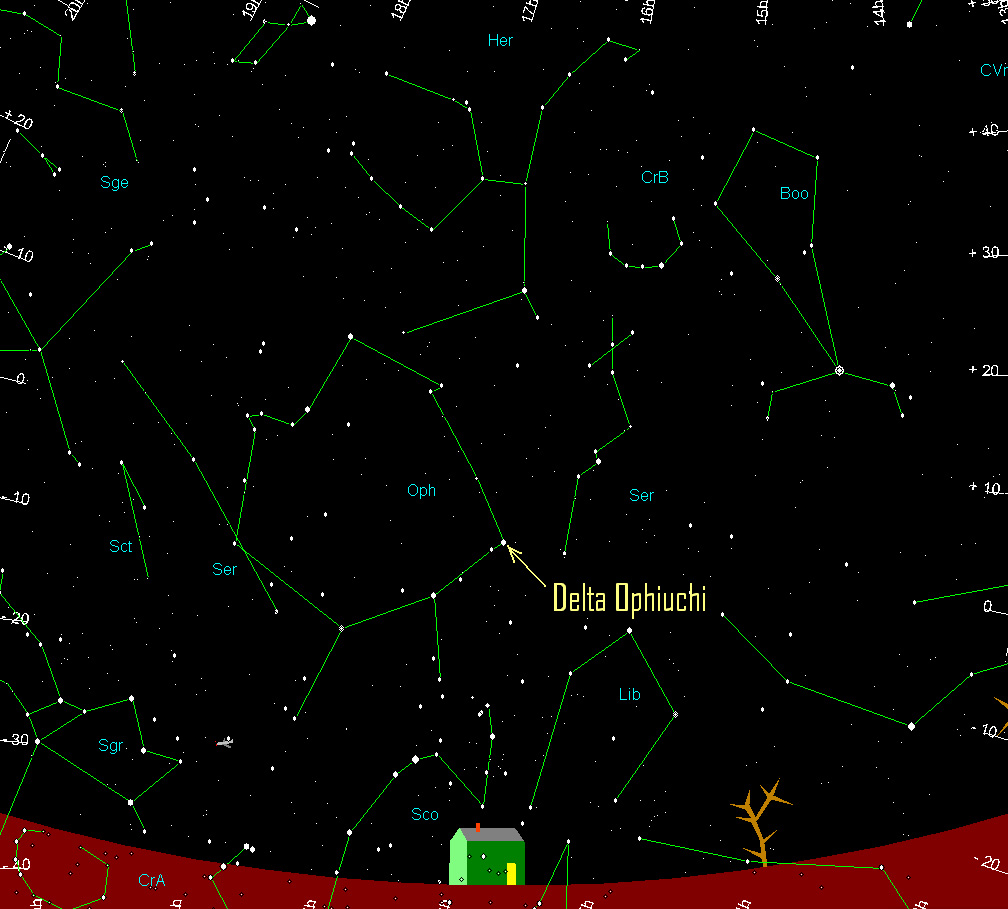
You are all familiar with a solar eclipse, when our Moon passes in front of the Sun and blocks its light, but a similar situation can happen with asteroids, those Sun-orbiting, rocky objects left over from the formation of the Solar System or formed by collisions between other asteroids.
We know of about 400,000 asteroids, which range in size from a few hundred kilometers to just a few meters. Obviously an asteroid is too small to cover the Sun but because of proximity one will occasionally move directly in front of one of the stars in the night sky and block its light from our view, causing a stellar eclipse or 'occultation'.


 Pilot Study: Fibromyalgia Fatigue Improved By TENS Therapy
 High Meat Consumption Linked To Lower Dementia Risk
 Long Before The Inca Colonized Peru, Natives Had A Thriving Trade Network
 Mesolithic People Had Meals With More Tradition Than You Thought