Banner
Pilot Study: Fibromyalgia Fatigue Improved By TENS Therapy

Fibromyalgia is the term for a poorly-understood condition where people experience pain and fatigue...

High Meat Consumption Linked To Lower Dementia Risk

Older people who eat large amounts of meat have a lower risk of dementia and cognitive decline...

Long Before The Inca Colonized Peru, Natives Had A Thriving Trade Network

A new DNA analysis reveals that long before the Incan Empire took over Peru, animals were...

Mesolithic People Had Meals With More Tradition Than You Thought

The common imagery of prehistoric people is either rooting through dirt for grubs and picking berries...

User picture.
News StaffRSS Feed of this column.

News Releases From All Over The World, Right To You... Read More »

Blogroll
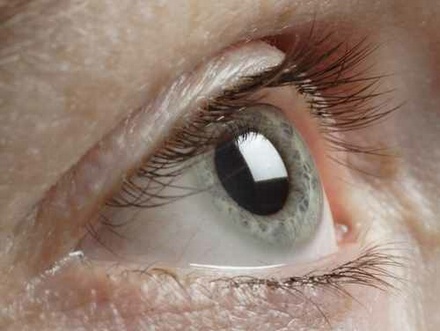
Your mother, despite lacking an expensive lab studying phytochemicals or a PhD (well, for most of us anyway) told you that carrots would help you see better.    

And she was right, but purple carrots here and there may be even better for you because they have anthocyanins.

But carrots are not the only way to go, it turns out.   New research suggests that a diet high in omega-3 fatty acids may help prevent one of the leading causes of legal blindness among the elderly.

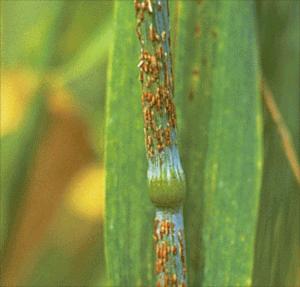
A deadly new airborne wheat rust disease threatens wheat production and food security throughout Afghanistan. The disease also threatens the region that stretches east across neighboring Pakistan and into India.

Often the topic of controversy, stem cells research has once again proved itself necessary. University of Florida researchers were able to program bone marrow stem cells to repair damaged retinas in mice.

The success in repairing a damaged layer of retinal cells in mice implies that blood stem cells taken from bone marrow can be programmed to restore a variety of cells and tissues, including ones involved in cardiovascular disorders such as atherosclerosis and coronary artery disease.

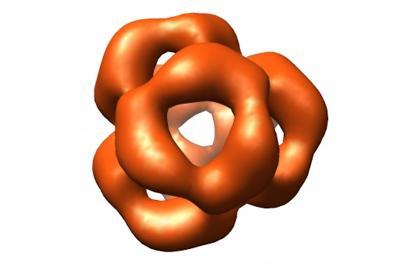
The human eye lens consists of a highly concentrated mix of several proteins. Protective proteins keep them from aggregating and clumping. If this protection fails, the lens blurs and the patient develops cataracts. Two research groups at the Department of Chemistry of the Technische Universitaet Muenchen (TUM) have succeeded in explaining the molecular architecture of this kind of protective protein. Their findings, which are published in PNAS (Proceedings of the National Academy of Sciences).

The effects of amphetamines on gene expression in zebrafish have been discovered. This new study, published in BioMed Central's open access journal Genome Biology, provides clues to the genetics that underlie susceptibility to addiction by describing the nad zebrafish mutant, which does not feel the rewarding effects of the drugs.

Ever since graphene was discovered in 2004, this one-atom thick, super strong, carbon-based electrical conductor has been billed as a "wonder material" that some physicists think could one day replace silicon in computer chips.

But graphene, which consists of carbon atoms arranged in a honeycomb lattice, has a major drawback when it comes to applications in electronics: it conducts electricity almost too well, making it hard to create graphene-based transistors that are suitable for integrated circuits.

In Physics World, Kostya Novoselov--a condensed-matter physicist from Manchester University--explains how their discovery of graphane, an insulating equivalent of graphene, may prove more versatile.