Banner
Pilot Study: Fibromyalgia Fatigue Improved By TENS Therapy

Fibromyalgia is the term for a poorly-understood condition where people experience pain and fatigue...

High Meat Consumption Linked To Lower Dementia Risk

Older people who eat large amounts of meat have a lower risk of dementia and cognitive decline...

Long Before The Inca Colonized Peru, Natives Had A Thriving Trade Network

A new DNA analysis reveals that long before the Incan Empire took over Peru, animals were...

Mesolithic People Had Meals With More Tradition Than You Thought

The common imagery of prehistoric people is either rooting through dirt for grubs and picking berries...

User picture.
News StaffRSS Feed of this column.

News Releases From All Over The World, Right To You... Read More »

Blogroll

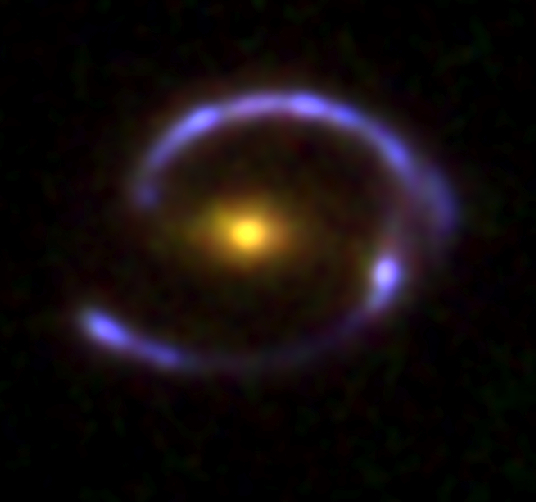
LBG J2135-0102 (also known as the "Cosmic Eye" due to its morphological similarity to the Egyptian "Eye of Horus") was discovered from a Hubble Space Telescope (HST) image in an effort to survey high redshift galaxy clusters. This galaxy is a typical star-forming galaxy at z=3 (seen when the Universe was only two billion years old) which has been gravitationally lensed by a factor 28x by a foreground galaxy cluster. The discovery paper can be found in Smail et al. (2007) ApJL 654 33 , whilst the detailed lens modelling used to correct for the lensing distortion is available in Dye et al. (2007) MNRAS 379 308.

This Cosmic Eye has given scientists a unique insight into galaxy formation in the very early Universe.

The rapidity of ejaculation in men is genetically determined, according to research by Utrecht University Neuropsychiatrist Dr. Marcel Waldinger and Pharmacological Researcher Paddy Janssen.

The participants in the study by Waldinger and Janssen were 89 Dutch men who suffer from the primary form of premature ejaculation, in other words, men who always had this problem. A control group of 92 men was also studied. For a month the female partners used a stopwatch at home to measure the time until ejaculation each time they had intercourse.

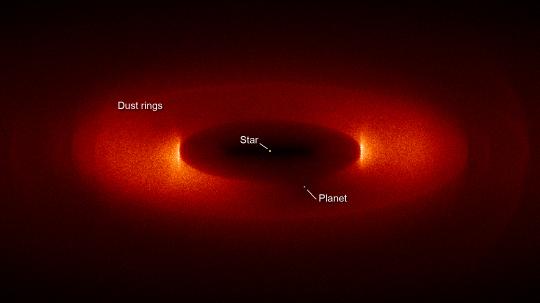
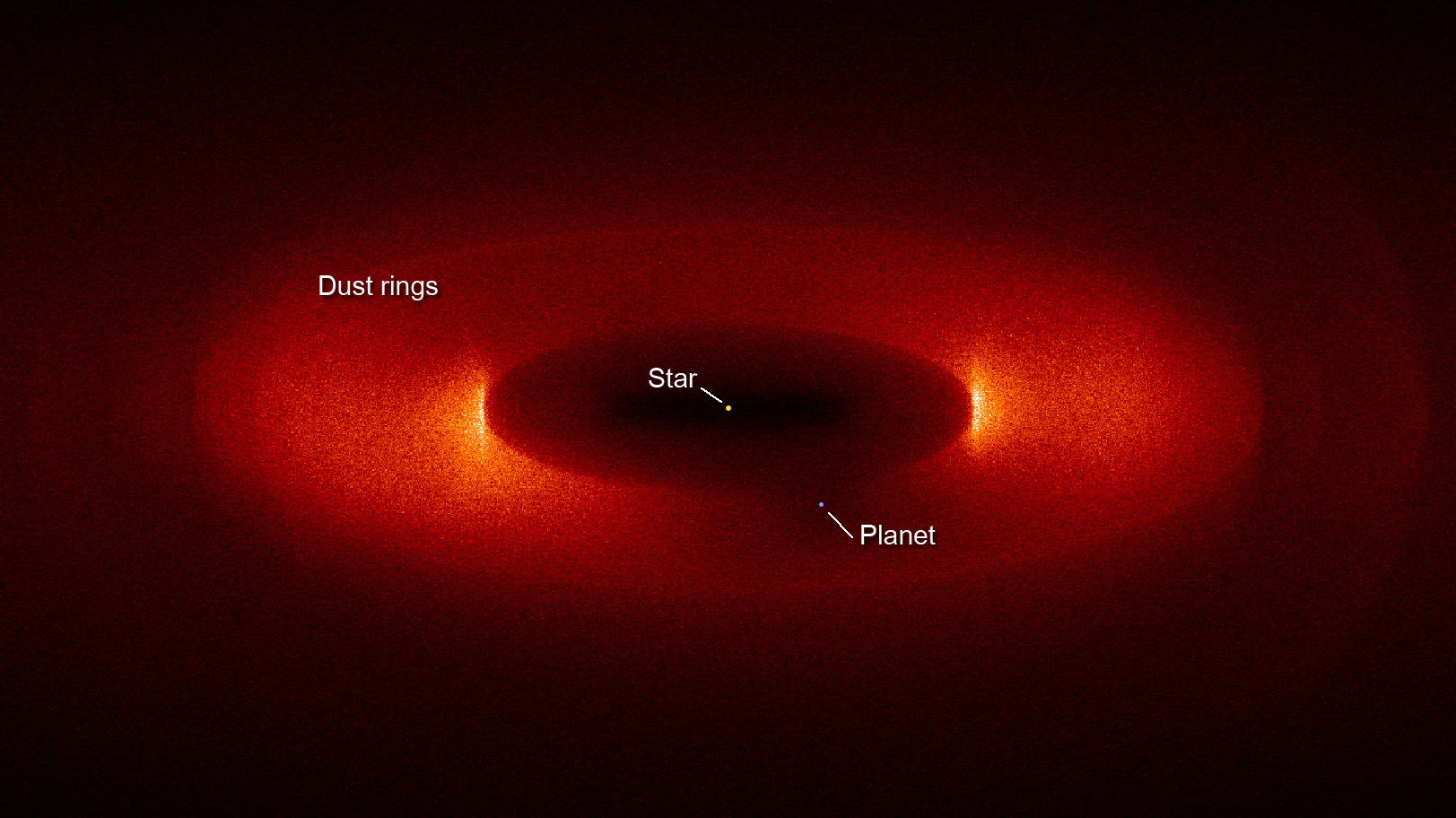
Supercomputer simulations of dusty disks around sunlike stars show that planets even as small as Mars can create patterns that future telescopes might detect.

Much of the dust in our solar system forms inward of Jupiter's orbit, as comets crumble near the sun and asteroids of all sizes collide. The dust reflects sunlight and sometimes can be seen as a wedge-shaped sky glow -- called the zodiacal light -- before sunrise or after sunset.

The computer models account for the dust's response to gravity and other forces, including the star's light. Starlight exerts a slight drag on small particles that makes them lose orbital energy and drift closer to the star.

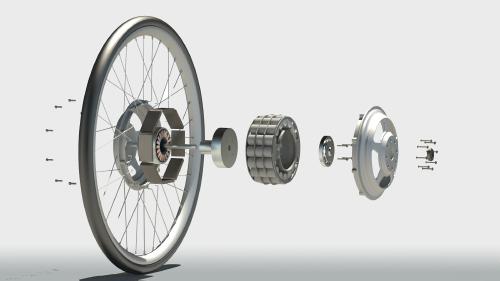
If you're riding a bike at Copenhagen's November 2009 U.N. Climate Change Conference, you may be able to take advantage of some new 'Smart Biking' techology created by MIT - it will help you make friends with people you pass and even tells you how much CO2 you didn't use by taking a bike(1).

MIT researchers unveiled the project today called Smart Biking, aimed at transforming bicycle use in Denmark’s largest city, promoting urban sustainability and building new connections between the city’s cyclists.

The project utilizes a self-organizing 'smart-tag' system that will allow the city’s residents to exchange basic information and share their relative positioning with each other.

Hospital for Special Surgery researchers writing in the Journal of Clinical Investigation say that statins may be able to prevent miscarriages in women who are suffering from pregnancy complications caused by antiphospholipid syndrome (APS), according to a study in mice. In this autoimmune syndrome, the body produces antibodies directed at phospholipids, the main components of cell membranes.

In low risk pregnancies, APS is associated with a nine-fold increase in miscarriage. In high-risk pregnancies (women who have had at least three prior losses), APS is associated with a 90 percent risk of miscarriage.

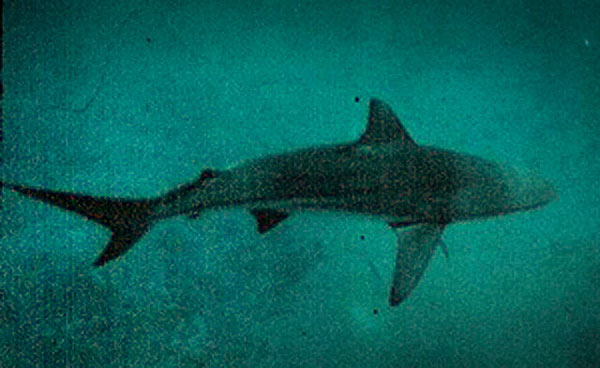
Scientists have confirmed the second-ever case of a 'virgin birth' in a shark, further confirming that female sharks can reproduce without mating and that many female sharks may have this incredible capacity.

Lead author Dr. Demian Chapman, shark scientist with the Institute for Ocean Conservation Science at Stony Brook University, Beth Firchau of the Virginia Aquarium & Marine Science Center, and Dr. Mahmood Shivji, Director of the Guy Harvey Research Institute and Professor at Nova Southeastern University in Florida, have proven through DNA testing that the offspring of a female blacktip shark named 'Tidbit' contained no genetic material from a father.