Banner
Pilot Study: Fibromyalgia Fatigue Improved By TENS Therapy

Fibromyalgia is the term for a poorly-understood condition where people experience pain and fatigue...

High Meat Consumption Linked To Lower Dementia Risk

Older people who eat large amounts of meat have a lower risk of dementia and cognitive decline...

Long Before The Inca Colonized Peru, Natives Had A Thriving Trade Network

A new DNA analysis reveals that long before the Incan Empire took over Peru, animals were...

Mesolithic People Had Meals With More Tradition Than You Thought

The common imagery of prehistoric people is either rooting through dirt for grubs and picking berries...

User picture.
News StaffRSS Feed of this column.

News Releases From All Over The World, Right To You... Read More »

Blogroll

The lighter an aircraft is, the less fuel it consumes. Given the need to cut carbon dioxide emissions, this is a key aspect of materials research. Aircraft manufacturers are therefore pinning their hopes on particularly lightweight construction materials. These include not only lightweight metals, but also fiber composite plastics, particularly carbon-fiber reinforced plastics (CFRPs). Whenever two CFRP components have to be joined together, this has so far been accomplished primarily by riveting.

Researchers at the Fraunhofer Institute for Manufacturing Technology and Applied Materials Research IFAM in Bremen are experts in adhesive techniques and plan to enlarge their expertise to include mechanical joining. At the Composites Europe trade fair in Essen, they show a state-of-the-art C-clamp riveting machine (Hall 10-11, Stand 150). This device enables the necessary rivet holes, complete with one- or two-part riveted bolts, to be installed accurately and automatically in compliance with aviation standards.

If your experiment doesn't go the way you expect, take a closer look; something even more interesting may have happened. That strategy has led scientists at Brookhaven National Laboratory to discover a fundamental shift in an enzyme's function that could help expand the toolbox for engineering biofuels and other plant-based oil products.

The Brookhaven scientists were trying to understand the factors that affect where carbon-carbon double bonds are placed in fatty acids, the building blocks of oils and fats, when they are "desaturated" -- that is, when a desaturase enzyme removes hydrogen from the carbon chain.

The 'Mediterranean' Diet is effective in chronic diseases such as cardiovascular diseases, cancer, diabetes, hypertension or osteoporosis,say researchers at the University of Granada. It may be possible to prevent 80% of cardiovascular diseases and 40% of different types of cancer through diet, physical exercise and other healthy habits so the scientists at UGR are specifically analyzing how cells react against aggressions which cause pancreatic alterations and result in cancer.

The researchers at the Instituto de Nutrición y Tecnología de los Alimentos (Institute of Nutrition and Food Technology) of the University of Granada (UGR, Spain) have been doing research into the positive effects of Mediterranean diet’s ingredients on health.

Lynn Sanders, a professor of politics at the University of Virginia, says there are plenty of reasons feminists can be happy about the Republican Party's nomination of Alaska Gov. Sarah Palin to become vice president. While it's tough to dispel notions that political parties have sexist components, she says, and Sarah Palin's Republican voter registration and anti-abortion stance may at first seem antithetical to feminism, one position in the culture wars does not invalidate her value to the cause of women everywhere.

Palin's presence on the Republican ticket gives feminists at least six good reasons to celebrate, she says.

Milk may help prevent potentially dangerous bacteria like Staphylococcus from being killed by antibiotics used to treat animals, scientists heard today at the Society for General Microbiology's Autumn meeting being held this week at Trinity College, Dublin.

Bacteria sometimes form structures called biofilms that protect them against antibiotics and the body's natural defences. Now scientists have discovered that one of the most important micro-organisms that causes mastitis in cows and sheep, called Staphylococcus, can evade the animal's defences and veterinary medicines by forming these protective biofilms. Mastitis is an infection of the udder in cattle and sheep. It is often a painful condition for the cows and can even cause death.

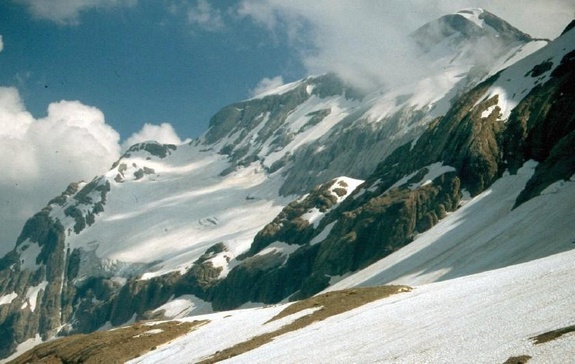
Much has been said about the situation of the glaciers in Greenland and Antarctica, but less is known about those in the high mountain areas of the Iberian Peninsula. A Spanish research study states that active glaciers in the Pyrenees, which they say have seen a steady increase in temperature (0.9°C since 1890), will disappear before 2050.

Researchers from the University of Cantabria, the Autonomous University of Madrid and Valladolid have produced a summary on the current situation of the Pyrenees, Sierra Nevada and Picos de Europa. They based their work on how climate change has affected the glaciers since the 'Little Ice Age' (from 1300 to 1860) to conclude that only the Pyrenees has active glaciers left.

This work, recently published in The Holocene, compiled data from current and historic glacier studies, as well as information from Spain’s ERHIN Programme, to present the first global study on three glaciated high mountain areas in the Iberian Peninsula in historic times and the evolution of the deglaciation process to date.