Banner
Pilot Study: Fibromyalgia Fatigue Improved By TENS Therapy

Fibromyalgia is the term for a poorly-understood condition where people experience pain and fatigue...

High Meat Consumption Linked To Lower Dementia Risk

Older people who eat large amounts of meat have a lower risk of dementia and cognitive decline...

Long Before The Inca Colonized Peru, Natives Had A Thriving Trade Network

A new DNA analysis reveals that long before the Incan Empire took over Peru, animals were...

Mesolithic People Had Meals With More Tradition Than You Thought

The common imagery of prehistoric people is either rooting through dirt for grubs and picking berries...

User picture.
News StaffRSS Feed of this column.

News Releases From All Over The World, Right To You... Read More »

Blogroll

Unusually high levels of physical exertion do cause oxidative stress, but this does not result in any long-term damage to DNA, say the results of a new research project.

As part of the project, 42 male athletes took part both in a triathlon and an extensive biomedical study, which examined numerous physiological values parameters during the period from two days before to 19 days after the triathlon.

The range of personal views on the benefits - or otherwise - of physical activity covers everything from "sport is good for you" to "sport is a killer" - not very scientific.

There is no doubt that regular sporting activity has physiological benefits but there is no evidence that there are benefits of extreme endurance sports.

Dr Zane Andrews, a neuroendocrinologist with Monash University's Department of Physiology, says he has discovered key appetite control cells in the human brain degenerate over time, causing increased hunger and potentially weight-gain as we grow older.

Dr Andrews found that appetite-suppressing cells are attacked by free radicals after eating and said the degeneration is more significant following meals rich in carbohydrates and sugars.

"The more carbs and sugars you eat, the more your appetite-control cells are damaged, and potentially you consume more," Dr Andrews said.

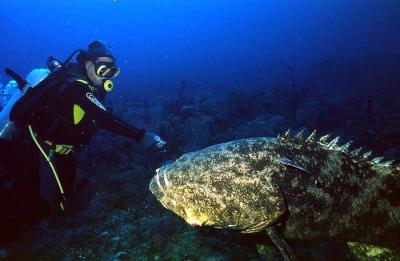
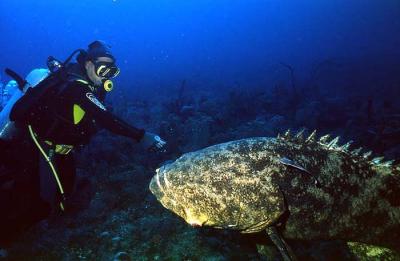
Researchers from the University of Hawaii, the Wildlife Conservation Society, Smithsonian Tropical Research Institute, National Marine Fisheries Service and Projecto Meros do Brazil discovered a new species of fish; a grouper that reaches more than six feet in length and can weigh nearly 1,000 pounds. This newly discovered species can be found roaming the tropical reefs of the Eastern Pacific Ocean.

Was the massive fish hiding among the corals and sea grass to evade marine biologists? No, it was just a case of mistaken identity, as explained in a recent genetic study in the journal Endangered Species Research.

It turns out that goliath in the Atlantic which inhabit the tropical waters of the Americas and western Africa are not the same groupers that swim in Pacific waters, even though they look identical.

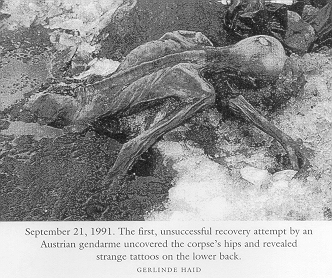
A famous Neolithic Iceman is dressed in clothes made from sheep and cattle hair, a new study shows. The researchers say their findings support the idea that the Iceman was a herdsman.

The social and cultural background of the Iceman, dubbed Oetzi, has been the subject of much debate since his mummified remains were discovered in an Alpine glacier in 1991. Although his clothes were known to be made of animal skins, their exact origin was uncertain. This new study focuses on hair samples taken from Oetzi's coat, leggings and moccasin shoes.

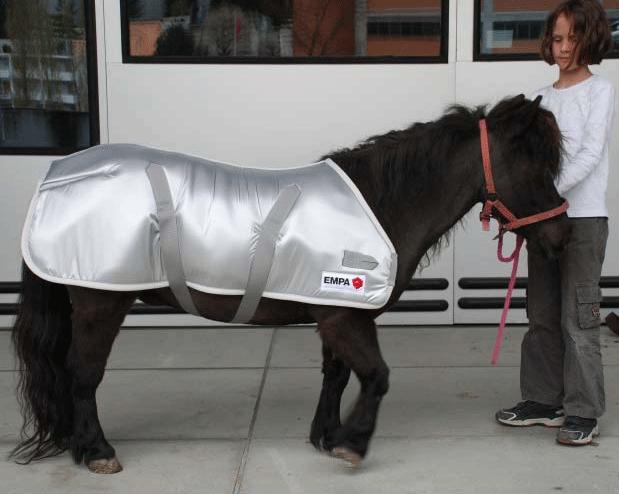
It's no secret that the heat and humidity throughout Olympic venues can be sweltering but the Swiss Equestrian Federation tournament horses have an advantage - special cooling blankets to ward off the Hong Kong heat.

And after the their event is over, “sweat blankets” will help them to dry off as quickly as possible – one to cover them as they return to the stables, and another to wear in their air conditioned quarters.

These special garments have been designed to support these sensitive (and valuable) champion horses in their own bodily efforts to regulate their temperature and prevent the dangerous 'post exercise chill effect', the unpleasant and unhealthy uncontrolled cooling which leads to the animals becoming chilled after exercise.

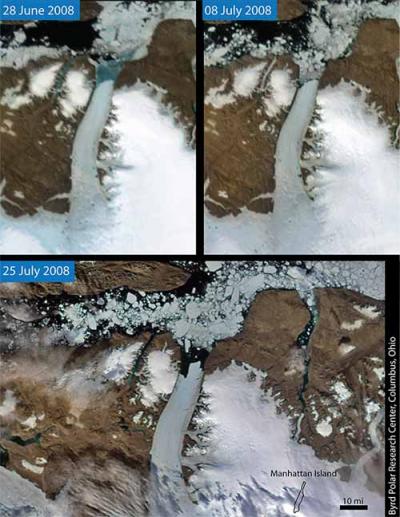
Researchers monitoring daily satellite images of Greenland's glaciers have discovered break-ups at two of the largest glaciers in the last month. They expect that part of the Northern hemisphere's longest floating glacier will continue to disintegrate within the next year.

A massive 11-square-mile (29-square-kilometer) piece of the Petermann Glacier in northern Greenland broke away between July 10th and by July 24th. The loss to that glacier is equal to half the size of Manhattan Island. The last major ice loss to Petermann occurred when the glacier lost 33 square miles (86 square kilometers) of floating ice between 2000 and 2001.

Petermann has a floating section of ice 10 miles (16 kilometers) wide and 50 miles (80.4 kilometers) long which covers 500 square miles (1,295 square kilometers).