Banner
Synchrotron Could Shed Light On Exotic Dark Photons

There are many hypothetical particles proposed to explain dark matter and one idea to explore how...

The Pain Scale Is Broken But This May Fix It

Chronic pain is reported by over 20 percent of the global population but there is no scientific...
Study Links Antidepressants, Beta-blockers and Statins To Increased Autism Risk

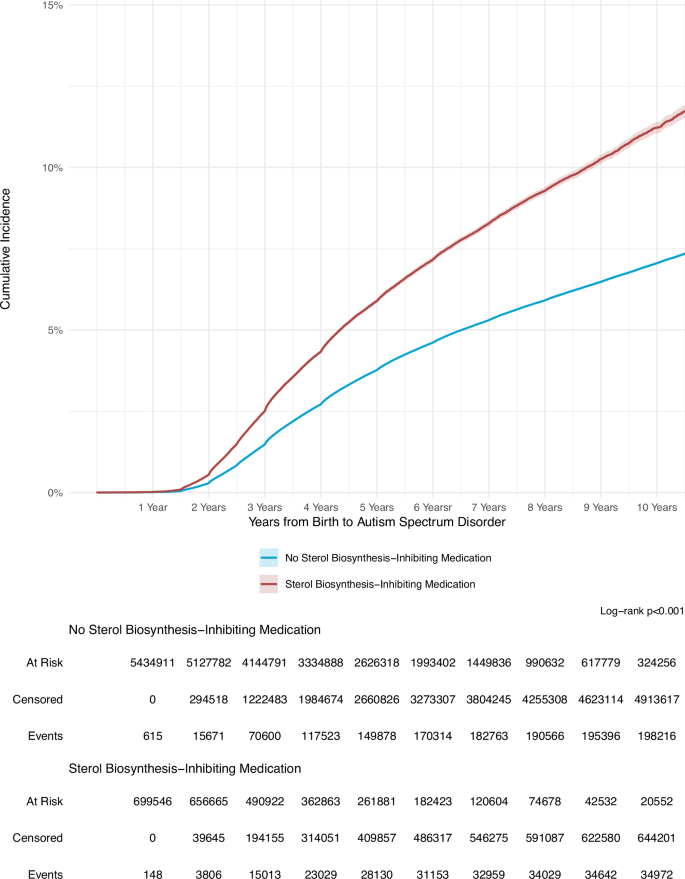
An analysis of 6.14 million maternal-child health records  has linked prescription medications...

Pilot Study: Fibromyalgia Fatigue Improved By TENS Therapy

Fibromyalgia is the term for a poorly-understood condition where people experience pain and fatigue...

User picture.
News StaffRSS Feed of this column.

News Releases From All Over The World, Right To You... Read More »

Blogroll

The most direct information about the interior of the earth comes from measuring how seismic acoustic waves--such as those created by earthquakes -- travel through the earth. Those measurements show that 95% of the earth's core is liquid. But, scientists also want to know the composition of the liquid, and that is harder. Now, in research published in Nature Communications, scientists from the Materials Dynamics Laboratory at the RIKEN SPring-8 Center, along with collaborators from the Tokyo Institute of Technology's Earth-Life Science Institute and other institutes, have succeeded in measuring the speed of sound in mixtures of liquid iron and carbon in extreme conditions, allowing limits to be set on the core composition.

Scientists drilling into the ocean floor have for the first time found out what happens when one tectonic plate first gets pushed under another.

The international expedition drilled into the Pacific ocean floor and found distinctive rocks formed when the Pacific tectonic plate changed direction and began to plunge under the Philippine Sea Plate about 50 million years ago.

"It's a bit like a rugby scrum, with two rows of forwards pushing on each other. Then one side goes down and the other side goes over the top," said study leader Professor Richard Arculus, from The Australian National University (ANU).

Researchers have attempted to measure all the material leaving and entering a mountain range over millions of years and discovered that glacial erosion can, under the right circumstances, wear down mountains faster than plate tectonics can build them.

A study of the St. Elias Mountains on the Alaskan coast by researchers from The University of Texas at Austin, University of Florida, Oregon State University and elsewhere found that erosion accelerated sharply about one million years ago.

Scientists have revealed that glucocorticoids, a class of steroid hormones that are commonly prescribed as drugs, enhance muscle endurance and alleviate muscular dystrophy through activation of the gene KLF15. Critically, this pathway is not involved in muscle wasting or the other major detrimental effects of prolonged steroid use.

The discovery could lead to the development of new medications that improve muscle function without the negative consequences caused by long-term steroid exposure, especially important for progressive muscle wasting diseases like Duchenne's muscular dystrophy (DMD).

Ground-breaking new research has shown that erosion caused by glaciation during ice ages can, in the right circumstances, wear down mountains faster than plate tectonics can build them.

The international study, including Dr Ian Bailey from the University of Exeter, has given a fascinating insight into how climate and tectonic forces influence mountain building over a prolonged period of time.

The research team attempted to measure all the material that left and entered the St Elias Mountain range, on the Alaskan coast, over the past five million years, using state-of-the-art seismic imaging equipment and marine coring.

The introduction of agriculture into Europe about 8,500 years ago changed the way people lived right down to their DNA.

Until recently, scientists could try to understand the way humans adapted genetically to changes that occurred thousands of years ago only by looking at DNA variation in today's populations. But our modern genomes contain mere echoes of the past that can't be connected to specific events.

Now, an international team reports in Nature that researchers can see how natural selection happened by analyzing ancient human DNA.