Banner
Synchrotron Could Shed Light On Exotic Dark Photons

There are many hypothetical particles proposed to explain dark matter and one idea to explore how...

The Pain Scale Is Broken But This May Fix It

Chronic pain is reported by over 20 percent of the global population but there is no scientific...
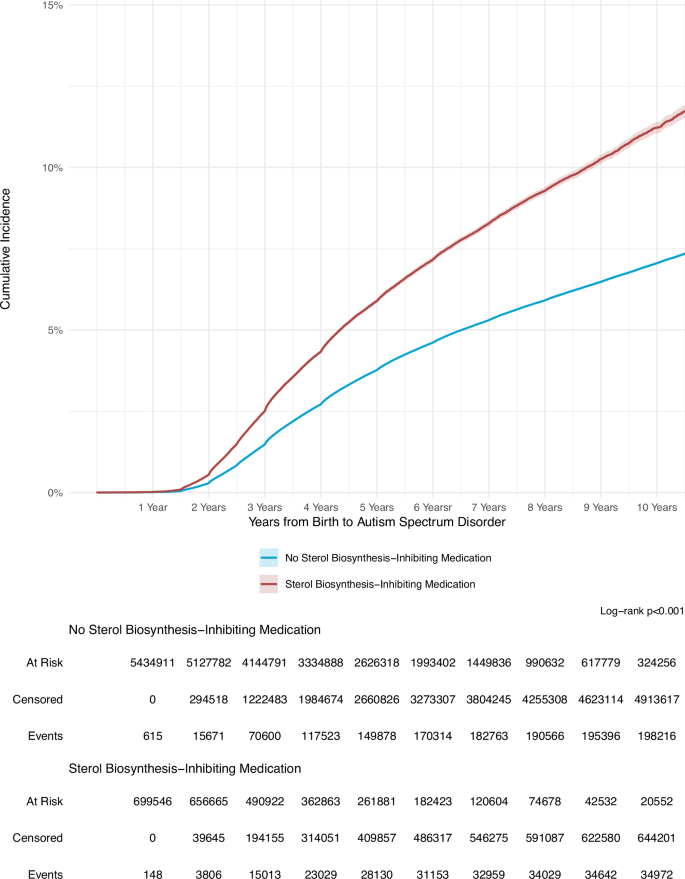
Study Links Antidepressants, Beta-blockers and Statins To Increased Autism Risk

An analysis of 6.14 million maternal-child health records  has linked prescription medications...

Pilot Study: Fibromyalgia Fatigue Improved By TENS Therapy

Fibromyalgia is the term for a poorly-understood condition where people experience pain and fatigue...

User picture.
News StaffRSS Feed of this column.

News Releases From All Over The World, Right To You... Read More »

Blogroll

Our ability to learn, move, and sense our world comes from the neurons in our brain. The information moves through our brain between neurons that are linked together by tens of trillions of tiny structures called synapses.

Although tiny, synapses are not simple and must be precisely organized to function properly. Indeed, diseases like autism and Alzheimer's are increasingly linked to defects in the organization and number of these tiny structures. Now researchers at Thomas Jefferson University have found a new way in which synapses organization is controlled, which could eventually lead to better treatments for neurological diseases.

In nutrition, the saying goes, 'in the old days you had to be rich to be fat, now you have to be rich to be thin.' 

We have a biological mandate to try and ride out food booms and busts by consuming as many calories as we can, when we can. Rich people can take that out of their hands by paying for people to tell them to exercise and what not to eat and so they won't get gout like they once did. Poor people, with less disposable income, will shop for calorically-dense foods. 

Try to remember a phone number, and you're using what's called your sequential memory. This kind of memory, in which your mind processes a sequence of numbers, events, or ideas, underlies how people think, perceive, and interact as social beings. 

"In our life, all of our behaviors and our process of thinking is sequential in time," said Mikhail Rabinovich, a physicist and neurocognitive scientist at the University of California, San Diego.

Researchers have made a breakthrough in explaining how an incurable type of blood cancer develops from an often symptom-less prior blood disorder. All patients diagnosed with myeloma, a cancer of the blood-producing bone marrow, first develop a relatively benign condition called 'monoclonal gammopathy of undetermined significance' or 'MGUS'. 

MGUS is fairly common in the older population and only progresses to cancer in approximately one in 100 cases. However, currently there is no way of accurately predicting which patients with MGUS are likely to go on to get myeloma.

A new study projects that carbon sequestration in European cropland could store between 9 and 38 megatons of carbon dioxide (MtCO2) per year in the soil, or as much as 7% of the annual greenhouse gas emissions from agriculture in the European Union, at a price of carbon of 100 $/tCO2.

"However, if strict emission reduction targets are only adopted inside Europe, efforts within the EU to reduce emissions could lead to increased emissions in other parts of the world, which could significantly compromise emission reductions at global level" says IIASA researcher Stefan Frank, who led the study.

Scientists have developed a new test to identify patients who are at risk of suffering a relapse from testicular cancer.

Assessing just three features of a common kind of testicular cancer - called non-seminomatous germ cell tumor - can identify those at most at risk of relapse even where there is no evidence of tumor spread.

The researchers believe the test could be used in the clinic to make decisions about which patients should be given chemotherapy.

Scientists at The Institute of Cancer Research, London, analyzed 177 tumor samples from patients with stage I non-seminomatous tumors enrolled in clinical trials through the Medical Research Council (MRC) Clinical Trials Unit.