Banner
Synchrotron Could Shed Light On Exotic Dark Photons

There are many hypothetical particles proposed to explain dark matter and one idea to explore how...

The Pain Scale Is Broken But This May Fix It

Chronic pain is reported by over 20 percent of the global population but there is no scientific...
Study Links Antidepressants, Beta-blockers and Statins To Increased Autism Risk

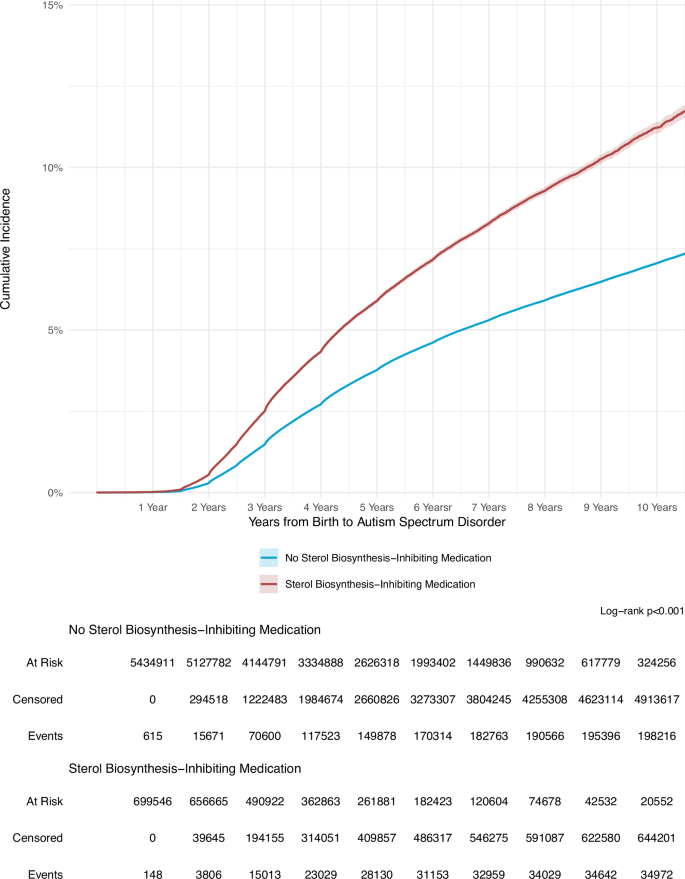
An analysis of 6.14 million maternal-child health records  has linked prescription medications...

Pilot Study: Fibromyalgia Fatigue Improved By TENS Therapy

Fibromyalgia is the term for a poorly-understood condition where people experience pain and fatigue...

User picture.
News StaffRSS Feed of this column.

News Releases From All Over The World, Right To You... Read More »

Blogroll

Alva-Amco Pharmacal Companies, Inc. is recommending that parents give their children a placebo - something real doctors would never do. The product they are selling is called Nauzene and they are promoting it for gastroenteritis, the inflammation of the stomach and intestinal tract that can cause nausea, vomiting, diarrhea and abdominal cramping and is commonly called "stomach flu."

The manufacturers say it will relieve upset stomach "without the added risk of salicylates found in some other remedies that can cause health issues in young children." They also say it is paraben-free and Free of artificial flavors or dyes.

A single blood test could reveal whether an otherwise healthy person is unusually likely to die of pneumonia or sepsis within the next 14 years.

Based on an analysis of 10,000 individuals, researchers have identified a molecular byproduct of inflammation, called GlycA, which seems to predict premature death due to infections.

The findings, published October 22 in Cell Systems, suggest that high GlycA levels in the blood indicate a state of chronic inflammation that may arise from low-level chronic infection or an overactive immune response. That inflammation damages the body, which likely renders individuals more susceptible to severe infections.

Like seeds, pollen loses most of its water during maturation, entering a state of suspended animation. This allows it to survive its journey from male to female organs of a flower, where it is rehydrated by sugary fluids secreted by the female organ, and springs into life again.

But rehydrating is a dangerous process, one that can kill the pollen grain before it can fertilize the egg if not properly controlled.

New research from the lab of Elizabeth Haswell, PhD, associate professor of biology in Arts&Sciences at Washington University in St. Louis, shows how pollen survives the reanimation process. A specialized protein with ancient origins helps the hydrating pollen grain relieve excessive pressure and survive the stressful transition.

Delivering the hormone leptin directly to the brain through gene therapy can aid weight loss without the significant side effect of bone loss, according to new research.

Rapid or significant weight loss through dieting can trigger bone loss. Loss of bone density, in turn, can lead to increased susceptibility to bone fractures in older adults, which can have a debilitating effect on quality of life.

The bone loss is most concerning in people whose weight fluctuates due to "yo-yo" dieting, or repeated cycles of weight gain and loss, because bone lost during weight loss is not typically regained when the person gains weight again, said Urszula Iwaniec, an associate professor in the College of Public Health and Human Sciences at Oregon State University.

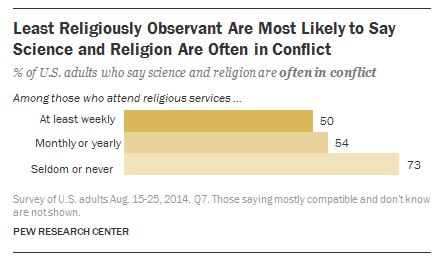
A representative survey of more than 2,000 U.S. adults finds that 30 percent of Americans say their personal religious beliefs conflict with science, while 68 percent say there is no conflict. A majority(59 percent) say science and religion often conflict, while 38 percent say science and religion are mostly compatible. 

Belief of a conflict between science and religion does break along lines of religious belief - but not how most people think. The most religious people do not see a conflict with science, it is instead people on the other side who think the most religious people must be against science - that science and religion are in opposition - that increase belief in a conflict between them.

A study published today shows that a newly studied class of water contaminants that is known to be toxic and hormone disrupting to marine animals is present likely due in part to indirect effects of human activity. The contaminants are more prevalent in populated areas in the San Francisco Bay, suggesting that human impacts on nutrient input or other changes in water quality may enhance natural production.

A paper in PLOS ONE says humans may have an indirect effect on water quality.