Banner
Synchrotron Could Shed Light On Exotic Dark Photons

There are many hypothetical particles proposed to explain dark matter and one idea to explore how...

The Pain Scale Is Broken But This May Fix It

Chronic pain is reported by over 20 percent of the global population but there is no scientific...
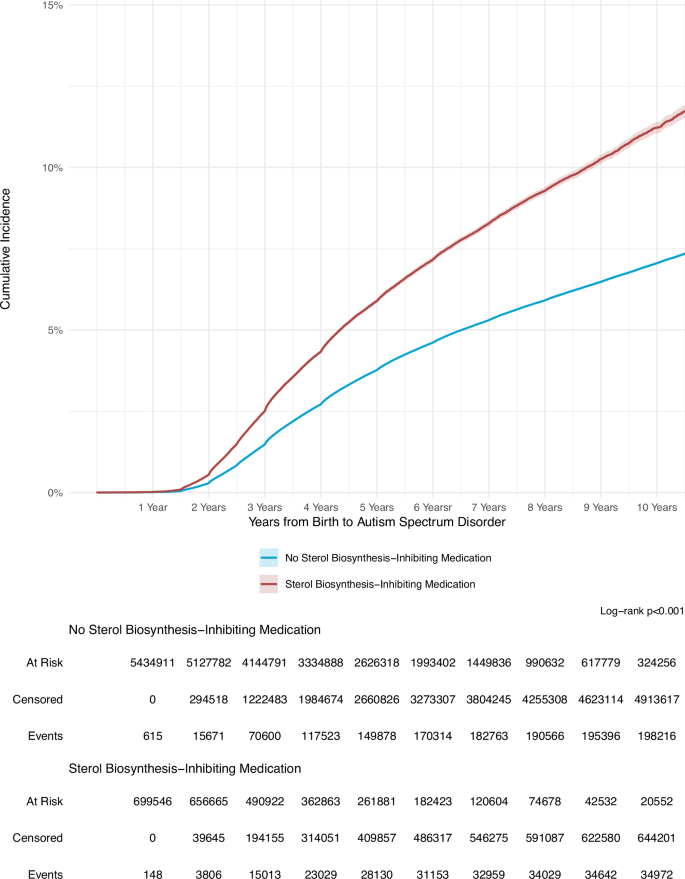
Study Links Antidepressants, Beta-blockers and Statins To Increased Autism Risk

An analysis of 6.14 million maternal-child health records  has linked prescription medications...

Pilot Study: Fibromyalgia Fatigue Improved By TENS Therapy

Fibromyalgia is the term for a poorly-understood condition where people experience pain and fatigue...

User picture.
News StaffRSS Feed of this column.

News Releases From All Over The World, Right To You... Read More »

Blogroll

Targeting sitting time, rather than physical activity, is the most effective way to reduce prolonged sitting, according to the first comprehensive review of strategies designed to reduce sitting time.  

Prolonged sitting has become a serious public health concern, with modern lifestyles becoming increasingly sedentary and many professions requiring workers to sit for most of the day. Previous studies and reviews have shown that higher levels of sitting are linked with cancer, diabetes, heart disease and even an early death, independently of whether a person takes regular exercise. Public health interventions have the potential to reduce prolonged sitting, but until now, little has been known about what makes certain sitting reduction strategies effective.

Like a spicy food? A recent study suggests you may live longer.

Tulane University epidemiologist Dr. Lu Qi co-led the study of more than 500,000 Chinese adults over seven years. The results indicated that participants who ate foods flavored with chili peppers every day reduced their risk of premature dying by 14 percent, as compared to people who ate chili peppers less than once a week.

High circulating levels of cardiovascular hormones/peptides in cancer patients have been linked to shorter survival, regardless of disease type and stage of progression in a new paper.

These chemicals, known as biomarkers, are apparent in the absence of any clinical signs of heart disease or infection, and before the start of anti-cancer treatment, some of which is known to damage heart tissue, say the researchers.

Levels of cardiovascular hormones/peptides have been used to monitor the severity and progression of heart tissue damage as a result of either chemotherapy or radiotherapy. But what has not been clear is whether the cancer itself may affect the levels of these chemicals.

About 20 million years ago a single flea became entombed in amber with tiny bacteria attached to it, providing what researchers believe may be the oldest evidence on Earth of a dreaded and historic killer - an ancient strain of the bubonic plague.

If indeed the fossil bacteria are related to plague bacteria, Yersinia pestis, the discovery would show that this scourge, which killed more than half the population of Europe in the 14th century, actually had been around for millions of years before that, traveled around much of the world, and predates the human race.

You can resist buying a candy bar while you're waiting in the checkout line at the grocery store--but you'll buy any pair of shoes that are on sale. Your best friend, in contrast, wouldn't dream of buying a pair of shoes he thinks he doesn't need, no matter how low the price--but he can't resist buying that same candy bar you so easily ignore. According to a new study in the Journal of Public Policy&Marketing, it is precisely those differences in self-control that researchers need to pay attention to when assessing the impact of public policies.

As the study reports, if you want to understand the effectiveness of a regulation or tax on a specific behavior, use a measure of self-control specific to that behavior.

Jim Green, director of planetary science at NASA Headquarters,  Michael Meyer, lead scientist for the Mars Exploration Program at NASA Headquarters, Lujendra Ojha of the Georgia Institute of Technology in Atlanta, Mary Beth Wilhelm of NASA’s Ames Research Center in Moffett Field, California and the Georgia Institute of Technology, and  Alfred McEwen, principal investigator for the High Resolution Imaging Science Experiment (HiRISE) at the University of Arizona, promised a major announcement on Mars research today, and they delivered.