Banner
Convergent Evolution Cheat Sheet Now 120 Million Years Old

One tenet of natural selection is a random walk of genes but nature may be more predictable than...

Synchrotron Could Shed Light On Exotic Dark Photons

There are many hypothetical particles proposed to explain dark matter and one idea to explore how...

The Pain Scale Is Broken But This May Fix It

Chronic pain is reported by over 20 percent of the global population but there is no scientific...
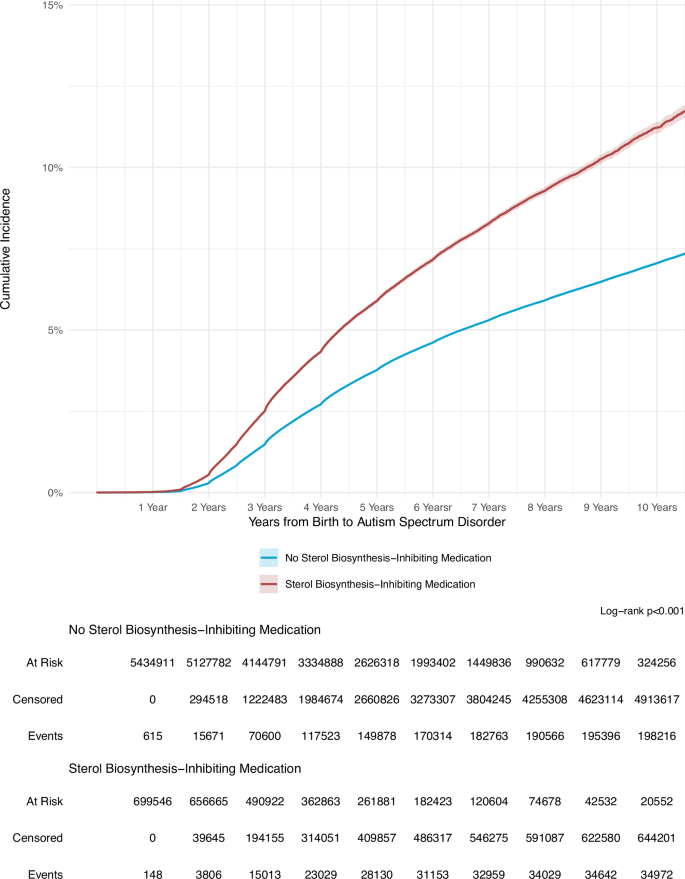
Study Links Antidepressants, Beta-blockers and Statins To Increased Autism Risk

An analysis of 6.14 million maternal-child health records  has linked prescription medications...

User picture.
News StaffRSS Feed of this column.

News Releases From All Over The World, Right To You... Read More »

Blogroll
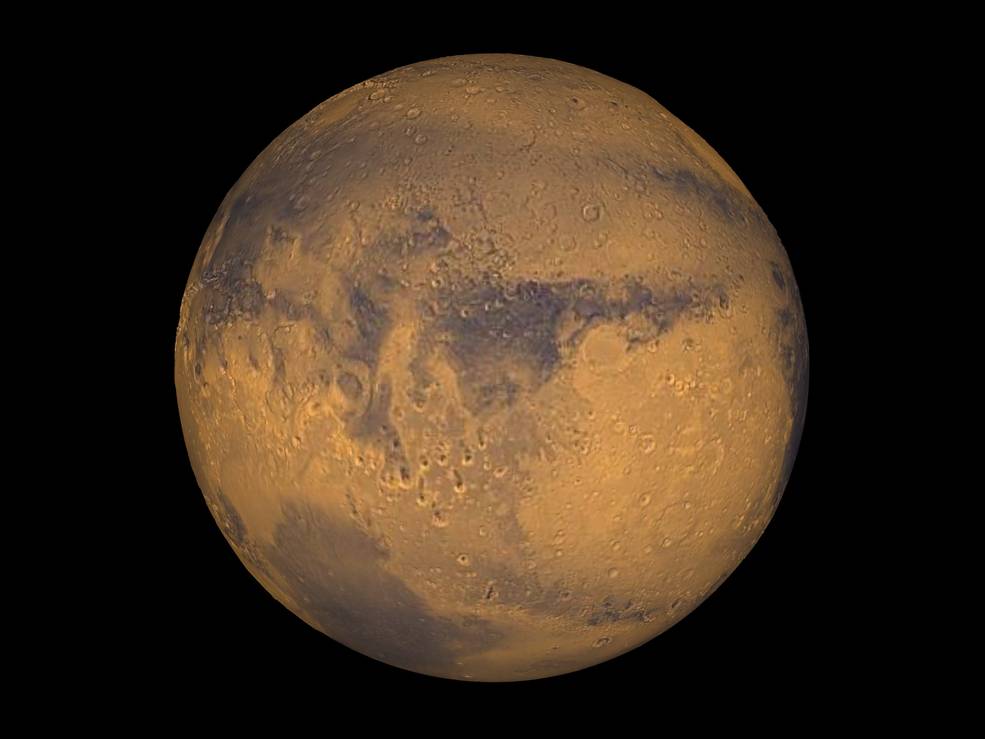
Jim Green, director of planetary science at NASA Headquarters,  Michael Meyer, lead scientist for the Mars Exploration Program at NASA Headquarters, Lujendra Ojha of the Georgia Institute of Technology in Atlanta, Mary Beth Wilhelm of NASA’s Ames Research Center in Moffett Field, California and the Georgia Institute of Technology, and  Alfred McEwen, principal investigator for the High Resolution Imaging Science Experiment (HiRISE) at the University of Arizona, promised a major announcement on Mars research today, and they delivered.


The worst nuclear disaster since the 1986 Chernobyl meltdown never should have happened, according to a new study.

In Philosophical Transactions A of the Royal Society, researchers Costas Synolakis of the USC Viterbi School of Engineering and Utku Kâno'lu of the Middle East Technical University in Turkey distilled thousands of pages of government and industry reports and hundreds of news stories, focusing on the run-up to the disaster. They found that "arrogance and ignorance," design flaws, regulatory failures and improper hazard analyses doomed the costal nuclear power plant even before the tsunami hit.

People fed β-glucan-enriched pasta for two months showed increased populations of beneficial bacteria in their intestinal tracts, and reduced populations of non-beneficial bacteria. They also showed reduced LDL (bad) cholesterol. This work is part of a broad effort to identify potential prebiotics--foods that could encourage the growth of health-promoting bacteria in the gastrointestinal tract.

Good communication is crucial to any relationship, especially when partners are separated by distance. This also holds true for microbes in the deep sea that need to work together to consume large amounts of methane released from vents on the ocean floor. Recent work at Caltech has shown that these microbial partners can still accomplish this task, even when not in direct contact with one another, by using electrons to share energy over long distances.

This is the first time that direct interspecies electron transport--the movement of electrons from a cell, through the external environment, to another cell type--has been documented in microorganisms in nature.

Emissions from the combustion of fossil fuels like coal, petroleum and natural gas tend to collect within Earth's atmosphere as "greenhouse gases" that are blamed for escalating global warming.

So researchers around the globe are on a quest for materials capable of capturing and storing greenhouse gases. This shared goal led researchers at Technische Universität Darmstadt in Germany and the Indian Institute of Technology Kanpur to team up to explore the feasibility of vertically aligned carbon nanotubes (VACNTs) to trap and store two greenhouse gases in particular: carbon dioxide (CO2) and sulfur dioxide (SO2).

Western University researchers are working on a way to use artificial intelligence to predict a patient's response to two common chemotherapy medications used to treat breast cancer - paclitaxel and gemcitabine.

Peter Rogan, PhD, and a team of researchers, including Stephanie Dorman, PhD, and Katherina Baranova, BMSc, at Western's Schulich School of Medicine&Dentistry, are hoping to one day remove the guesswork from breast cancer treatment with this technique.

Based on personal genetic analysis of their tumours, patients with the same type of cancer can have different responses to the same medication. While some patients will respond well and go into remission, others will develop a resistance to the medication.