Banner
Convergent Evolution Cheat Sheet Now 120 Million Years Old

One tenet of natural selection is a random walk of genes but nature may be more predictable than...

Synchrotron Could Shed Light On Exotic Dark Photons

There are many hypothetical particles proposed to explain dark matter and one idea to explore how...

The Pain Scale Is Broken But This May Fix It

Chronic pain is reported by over 20 percent of the global population but there is no scientific...
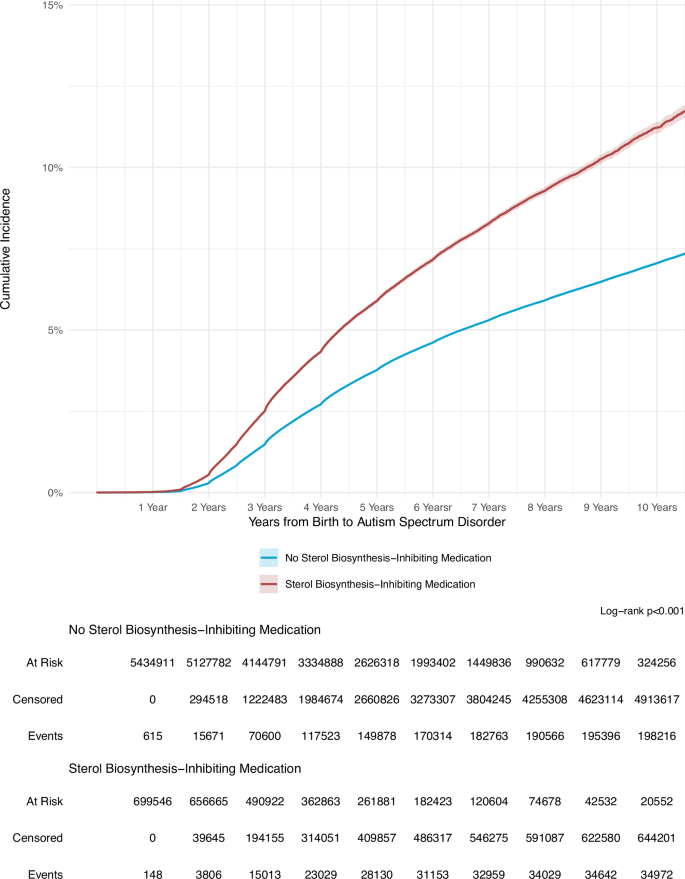
Study Links Antidepressants, Beta-blockers and Statins To Increased Autism Risk

An analysis of 6.14 million maternal-child health records  has linked prescription medications...

User picture.
News StaffRSS Feed of this column.

News Releases From All Over The World, Right To You... Read More »

Blogroll

Banning smoking in the workplace and increasing taxes on cigarettes have discouraged teens and young adults from taking up smoking, according to a study by researchers at UC San Francisco and UC Merced.

The study, published today (Sept. 8, 2015) in JAMA Pediatrics, used data on the smoking habits of a group of 12- to 18-year-olds living throughout the country in 1997. They were tracked for 11 years as they transitioned to young adults.

The researchers found that a 100 percent smoke-free environment reduced the odds of taking up smoking by one third and that the number of new smokers plummeted over time. These effects impacted nonsmokers by protecting them from the toxins of secondhand smoke.

As climate change accelerates ice melt in the Arctic, polar bears may find caribou and snow geese replacing seals as an important food source, shows a recent study.

The research, by Linda Gormezano and Robert Rockwell at the American Museum of Natural History, is based on new computations incorporating caloric energy from terrestrial food sources and indicates that the bears' extended stays on land may not be as grim as previously suggested.

The high frequency and magnitude of volcanic eruptions could have been the cause of the progressive cooling of ocean surfaces over a period of 1,800 years, according to a new study.

The study emphasizes that this trend came to an end with the beginning of the Industrial Revolution and the resulting global warming caused by human activity. It further shows that the lowest temperatures in the first 1,800 years of the Common Era were recorded between the 16th and the 18th centuries, a period known as the "Little Ice Age".

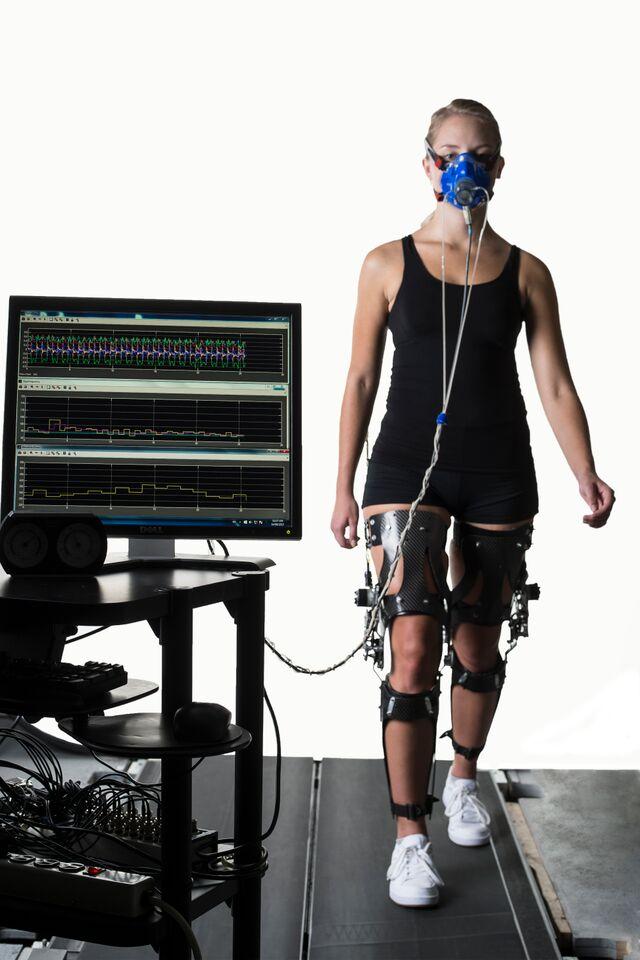
Every time you go to the gym to burn off those Dim Sum calories from the night before, your nervous system is subconsciously working against you.

Researchers have found that our nervous systems are remarkably adept in changing the way we move so as to expend the least amount of energy possible.

In other words, humans are wired for laziness.

The findings, which were made by studying the energetic costs of walking, likely apply to most of our movements, the researchers say.

Researchers ave shown that well-developed eyes come at a surprising cost to other organ systems. 

Researchers have long associated the presence of a well-developed brain with major energy consumption. This means that animals that develop advanced nervous systems require environments where this is possible. There has to be good access to nutrients, and every investment in an organ comes at a cost to some other organ system that is less essential in that particular environment. Up to now, there have been few concrete measurements of how high the cost of a nervous system actually is.

The study involving Mexican cavefish shows that the visual system can require between 5% and 15% of an animal's total energy budget.

Over one million people in sub-Saharan Africa will contract malaria this year because they live near a large dam, according to a new study which, for the first time, has correlated the location of large dams with the incidence of malaria and quantified impacts across the region. The study finds that construction of an expected 78 major new dams in sub-Saharan Africa over the next few years will lead to an additional 56,000 malaria cases annually.