Banner
Here's Where Your Backyard Was 300 Million Years Ago

We may use terms like "grounded" and terra firma to mean stability and consistency but geology...

Convergent Evolution Cheat Sheet Now 120 Million Years Old

One tenet of natural selection is a random walk of genes but nature may be more predictable than...

Synchrotron Could Shed Light On Exotic Dark Photons

There are many hypothetical particles proposed to explain dark matter and one idea to explore how...

The Pain Scale Is Broken But This May Fix It

Chronic pain is reported by over 20 percent of the global population but there is no scientific...

User picture.
News StaffRSS Feed of this column.

News Releases From All Over The World, Right To You... Read More »

Blogroll

Do microbes grow differently on the International Space Station than they do on Earth? Results from the growth of microbes collected by citizen scientists as part of Project MERCCURI indicate that most behave similarly in both places - and that is a good news for space travel.

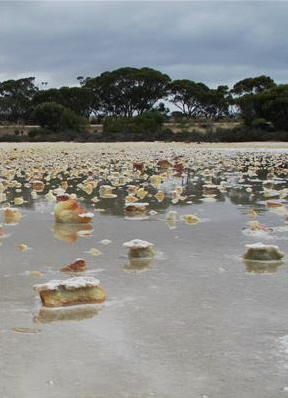
The "wheat belt" and "gold fields" of southern Western Australia are associated with a regional acid saline groundwater system. Groundwaters hosted in the Yilgarn Craton there have pH levels as low as 2.4 and salinities as high as 28%, which have greatly affected bedrock and subsurface sediments. This is manifested above ground as hundreds of shallow, ephemeral acid saline lakes.

In the June issue of GSA Today, Kathleen Benison of West Virginia University and Brenda Bowen of the University of Utah write that the limited volume of groundwater, in combination with its acidity, salinity, and high concentrations of some metals, make southern Western Australia a difficult place for human habitation.

Asking a few thousand Norwegians what they thought about climate change and not providing canned responses to choose from led to answers that were far more nuanced than the simplistic media portrayals that people accept every study or they are climate deniers.

The respondents were drawn from the Norwegian Citizen Panel, and the survey is part of the LINGCLIM project at the University of Bergen. This project is looking at the language used and the interpretations that prevail in the climate-change debate. The survey was carried out in 2013 as an online questionnaire. This kept the costs down, making it possible to collect data from a sample pool of respondents.

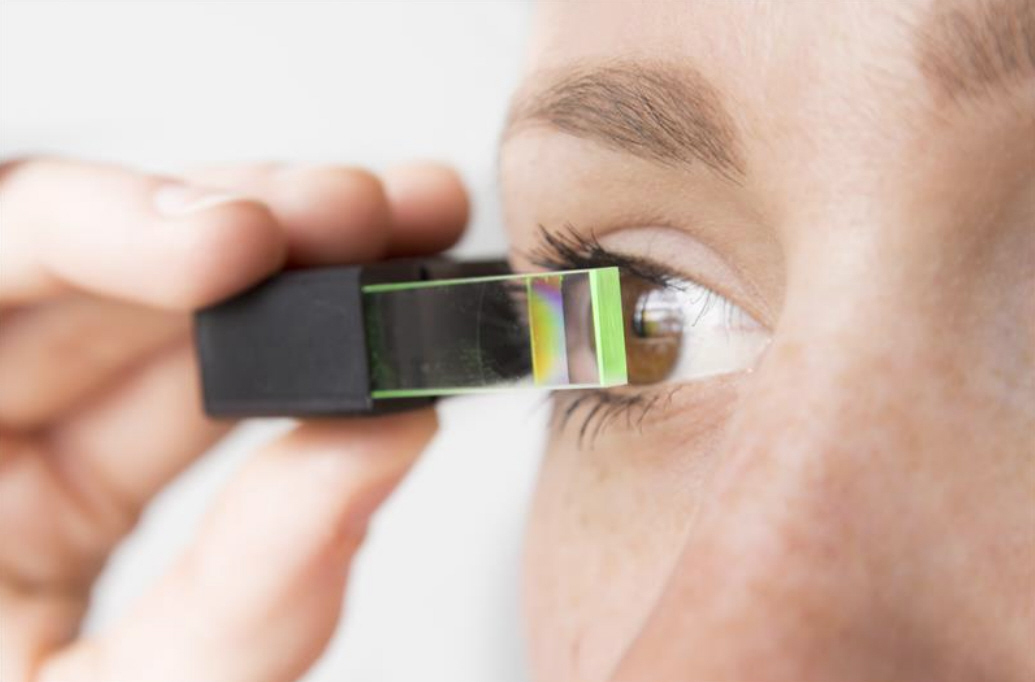
Google Glass gave the idea of data glasses an uphill cultural hill to climb - rather than being a must-have accessory, they became a source of derision.

A risk gene for dyslexia is associated with impairments in visual motion detection, according to a study published May 27 in The Journal of Neuroscience. Mutations in the gene DCDC2 have previously been associated with dyslexia, and this study found that dyslexics with an altered copy of the gene are unable to detect certain types of visual motion.

  • The researchers used a series of visual tests to compare typical readers with two groups of dyslexics -- one with and one without a specific deletion in the DCDC2 gene.

A recent study has revealed a breakthrough in asthma research might be on the horizon. Following extensive research carried out across a number of institutions, it has been discovered that protein molecules - known as calcium-sensing receptors - have a vital role in asthma. Although they have not previously been used to treat asthma, there is already medication available (calcilytics) that could be used to block these proteins.

In asthmatics, the immune system essentially misidentifies harmless substances, such as pollen for example, as a threat. The airways then restrict in an attempt to keep the ‘harmful’ substances from entering the lungs leading to the body facing constricted airways and, therefore, less ability to breathe properly.