Banner
Synchrotron Could Shed Light On Exotic Dark Photons

There are many hypothetical particles proposed to explain dark matter and one idea to explore how...

The Pain Scale Is Broken But This May Fix It

Chronic pain is reported by over 20 percent of the global population but there is no scientific...
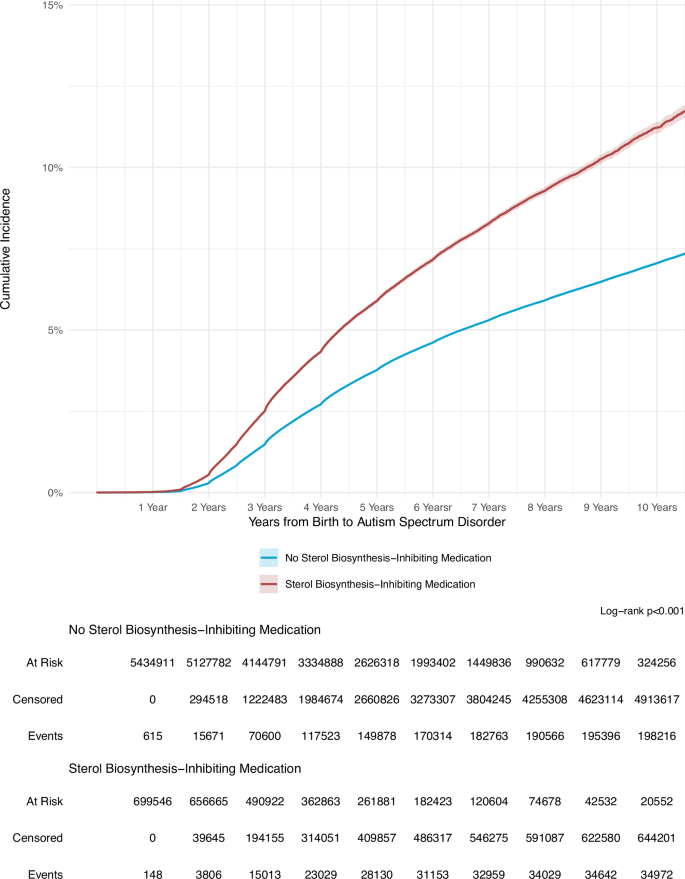
Study Links Antidepressants, Beta-blockers and Statins To Increased Autism Risk

An analysis of 6.14 million maternal-child health records  has linked prescription medications...

Pilot Study: Fibromyalgia Fatigue Improved By TENS Therapy

Fibromyalgia is the term for a poorly-understood condition where people experience pain and fatigue...

User picture.
News StaffRSS Feed of this column.

News Releases From All Over The World, Right To You... Read More »

Blogroll

The weather is big news. No matter what is happening, too little or too much, someone is talking about that and then linking it to long-term climate disruption. The UN IPCC says not do to that, but if people will anyway, the big question is; how much accuracy is possible?

Rainfall is important and therefore a topic of intense debate. While we historically haven't been able predict it, we can use modern weather satellites to monitor it, and so that has become a widely-practiced technique.  That is not without pitfalls. Yet how accurate are claims about past rainfall? And can satellites do better? Establishing a reliable context for rainfall observations to current and historical ground-based rainfall data has been difficult.

Since October 2013,  the rate of earthquakes in Oklahoma has been up by about 50 percent, which has geologists thinking about the chance for a damaging quake in central Oklahoma.

A joint statement by the U.S. Geological Survey and Oklahoma Geological Survey says that 183 earthquakes of magnitude 3.0 or greater occurred in Oklahoma from October 2013 through April 14, 2014. The long-term average from 1978 to 2008 showed only two magnitude 3.0 or larger earthquakes per year. The increased number of small and moderate shocks has led them to predict a higher likelihood of future, damaging earthquakes for central and north-central Oklahoma.
A new analysis of ancient Jian wares reveals that the distinctive pottery contains an unexpected and highly unusual form of iron oxide - a rare compound called epsilon-phase iron oxide which was only recently discovered and characterized by scientists and so far has been extremely difficult to create with modern techniques.

Understanding 1,000 year old synthesis conditions used by Chinese potters could lead to an easier, more reliable synthesis of epsilon-phase iron oxide, enabling better, cheaper magnetic materials - including those used for data storage.
Photosynthesis is one of evolution's great success stories. Plants, algae and bacteria capture light energy from the sun and transform it into chemical energy.

Can science improve it? Perhaps. While genetic modification is protested by anti-science groups, no one dislikes photosynthesis. And improving the photosynthetic rate is one strategy to improve plant productivity, which can be important for future food production. 
Pennsylvania Governor Tom Corbett has announced that the Department of Environmental Protection (DEP) is accepting applications for projects related to  abandoned mine drainage projects .

You'll have to be a non-profit or a government agency to get government money - the groups most likely to be able to do something on budget are prohibited from applying to get a grant from taxpayers.

Carbon monoxide is known as the "silent killer" because it is imperceptible and lethal. Most homes carry detectors.

We think of it as artificial, due to car exhaust and such, but it is produced naturally in humans and animals, and some medical researchers have even evaluated the gas as a treatment for diabetes, heart attacks, sepsis, and other illnesses. Researchers at Scripps Institution of Oceanography at UC San Diego have studied carbon monoxide's natural characteristics and limitations by studying the gas in one of the world's best divers: the elephant seal.