Banner
Synchrotron Could Shed Light On Exotic Dark Photons

There are many hypothetical particles proposed to explain dark matter and one idea to explore how...

The Pain Scale Is Broken But This May Fix It

Chronic pain is reported by over 20 percent of the global population but there is no scientific...
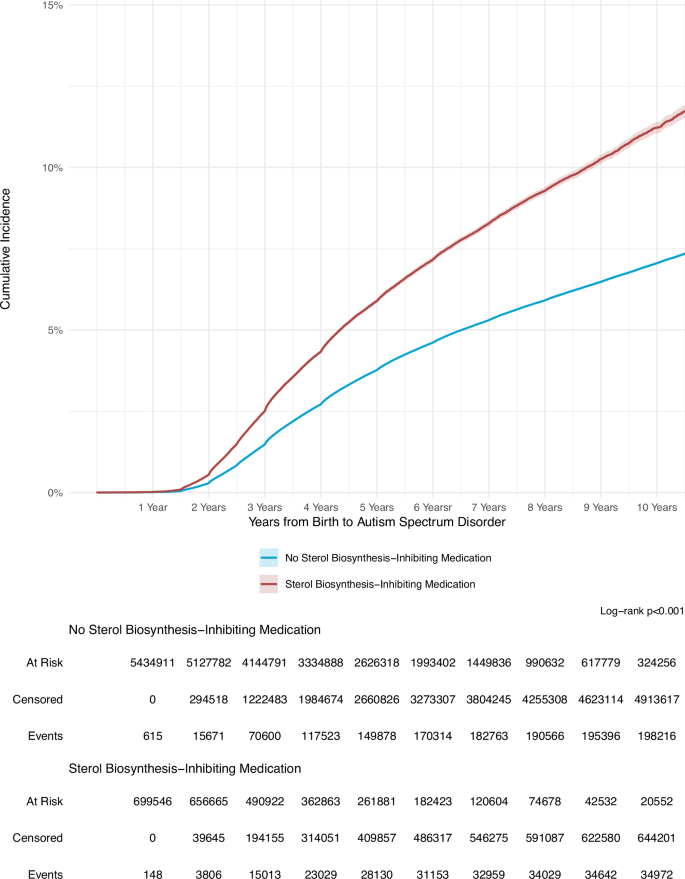
Study Links Antidepressants, Beta-blockers and Statins To Increased Autism Risk

An analysis of 6.14 million maternal-child health records  has linked prescription medications...

Pilot Study: Fibromyalgia Fatigue Improved By TENS Therapy

Fibromyalgia is the term for a poorly-understood condition where people experience pain and fatigue...

User picture.
News StaffRSS Feed of this column.

News Releases From All Over The World, Right To You... Read More »

Blogroll

You can't open a newspaper without reading about how many people are on welfare in America now. The government is even on a recruitment drive to get more people on benefits, and looking for ways to get them buying organic food too.

That shows a whole lot more money is helping better-off families rather than the very poorest.

Robert A. Moffitt, Professor of Economics at the Johns Hopkins University, notes that the United States is spending 74 percent more in inflation-adjusted dollars on welfare programs in 2007 than in 1975 but the 2.5 million single parent families with the absolute lowest levels of earnings, aid dropped 35 percent between 1983 and 2004. During that same period, aid rose 74 percent for those earning slightly more.

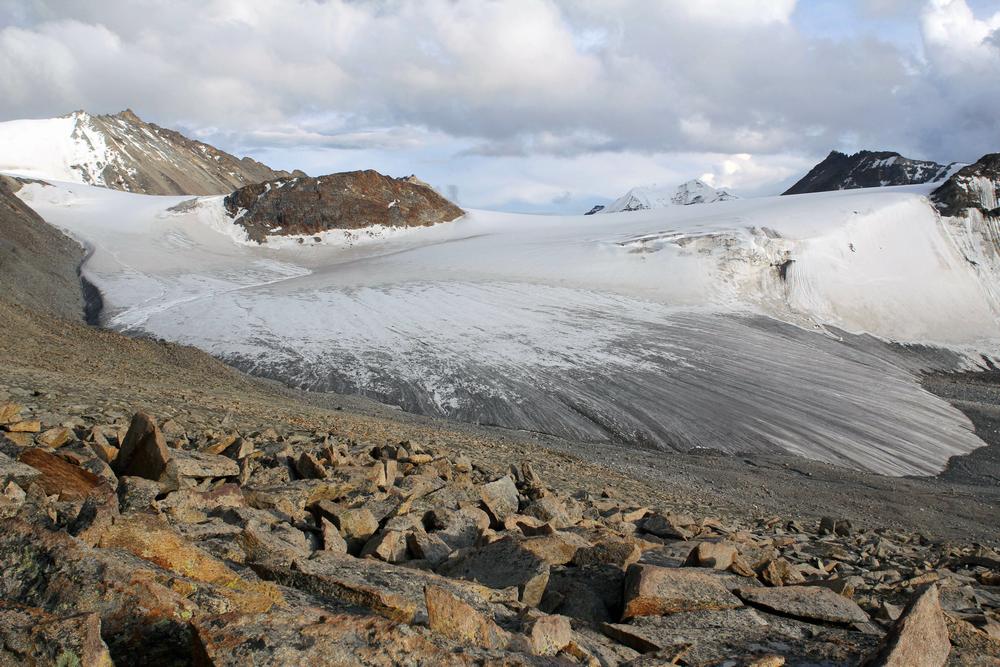
We know some glaciers are growing and we know some glaciers are receding. What we did not know until recently is how many glaciers there are, where they are, and what their extents and volumes are.

That has changed - for the first time reliable calculations of the future development of glaciers and their contributions to regional hydrology and global sea-level rise can be derived from an accurate measurement.

The international team mapped all of the world’s glaciers so all glaciologists can study the impacts of a changing climate on glaciers worldwide, and determine their total extent and volume on a glacier-by-glacier basis. Overall, glaciers cover an area of about 730,000 km2 and have a volume of about 170,000 km3.

Why do we yawn? It's unclear. One hypothesis is that yawning helps to increase the oxygen supply but there no association between yawning and blood oxygen levels has been found.

Psychologists now have a different notion - that yawning cools the brain.

It isn't just U.S. Secretary of State John Kerry insulting Jewish people, the whole world harassed, threatened and used abusive language toward Jews on an individual basis more in 2013.

But there was a silver lining; a 20% decline in violent incidents against Jews.

The annual report by Tel Aviv University's Kantor Center for the Study of Contemporary European Jewry and the Moshe Kantor Database for the Study of Contemporary Antisemitism and Racism, in cooperation with the European Jewish Congress, highlighted the "severe escalation in anti-Jewish atmosphere," borne out by daily attacks on individuals who reported feeling that their personal safety and communal well-being were jeopardized.

U.S. mothers who have unintended pregnancies return to work sooner than mothers who had planned pregnancies, and that is a reason to mandate contraception at every institution, says Dr. Rada K. Dagher, assistant professor of health services administration in the University of Maryland School of Public Health. 

"We know that it's better for women to take time off after childbirth to take care of their physical and mental health," says Dagher, who has also written that taking six months of maternity leave is optimal for reducing a woman's risk of postpartum depression. "Returning to work soon after childbirth may not be good for these women or for their children." 

The pioneering health insurance exchange in Massachusetts -
the model for President Barack Obama’s health care law
- is headed for the scrap heap. The state wants to merge it with the federal HealthCare.gov enrollment site because it is so dysfunctional.

With terrible timing, Harvard School of Public Health (HSPH) scholars say it is working really well and credit it with 2.9% decreased mortality compared to other states. They estimate that the Massachusetts' health reform law has prevented approximately 320 deaths per year—one life saved for each 830 people gaining insurance - and use it as evidence that government health care expansion will save lives.