Banner
Synchrotron Could Shed Light On Exotic Dark Photons

There are many hypothetical particles proposed to explain dark matter and one idea to explore how...

The Pain Scale Is Broken But This May Fix It

Chronic pain is reported by over 20 percent of the global population but there is no scientific...
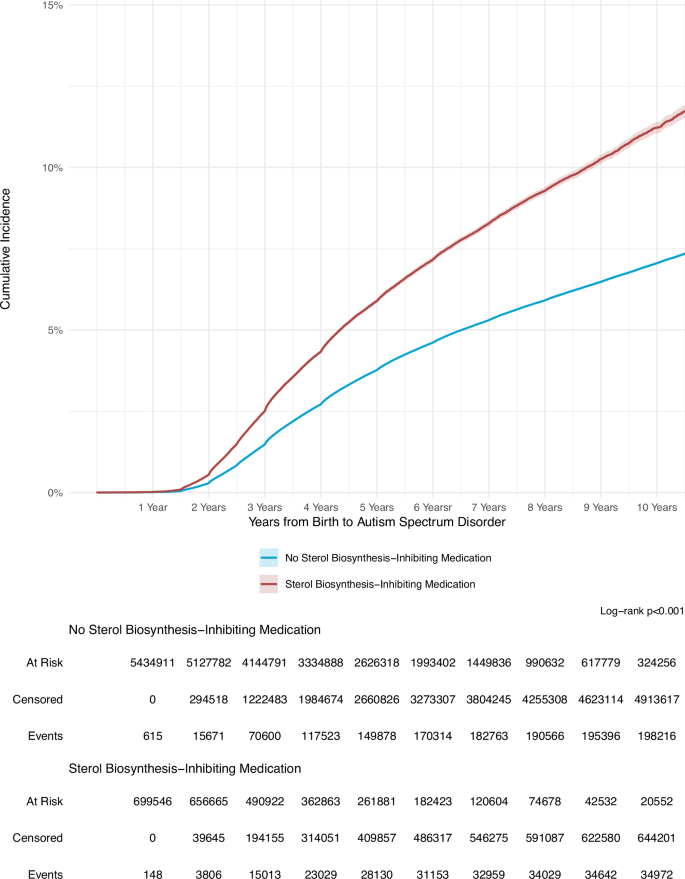
Study Links Antidepressants, Beta-blockers and Statins To Increased Autism Risk

An analysis of 6.14 million maternal-child health records  has linked prescription medications...

Pilot Study: Fibromyalgia Fatigue Improved By TENS Therapy

Fibromyalgia is the term for a poorly-understood condition where people experience pain and fatigue...

User picture.
News StaffRSS Feed of this column.

News Releases From All Over The World, Right To You... Read More »

Blogroll

Women who carry a copy of a gene variant called ApoE4 have substantially greater risk for Alzheimer's disease than men,according to an analysis of data on large numbers of older individuals who were tracked over time and noting whether they had progressed from good health to mild cognitive impairment — from which most move on to develop Alzheimer's disease within a few years — or to Alzheimer's disease itself.

Because the majority of prescriptions for depression, are given to women, men don't get a lot of concern, but depression can hit young fathers hard and the symptoms can increase dramatically during the formative years of children.

DURHAM, N.C. -- During the age of the dinosaurs, the arrival of flowering plants as competitors could have spelled doom for the ancient fern lineage. Instead, ferns diversified and flourished under the new canopy -- using a mysterious gene that helped them adapt to low-light environments.

A team led by Duke University scientists has pinpointed the curious origins of this gene and determined that it was transferred to ferns from a group of unassuming moss-like plants called hornworts. The findings were announced today, April 14, in the Proceedings of the National Academy of Sciences.

Up to 10 percent of women with family history of breast or ovarian cancer have at least one genetic mutation that would prompt their doctors to recommend changes in their care - and it isn't BRCA1 or BRCA2.

The women in the study did not have mutations in BRCA1 or BRCA2, which are strongly associated with hereditary breast and ovarian cancer, but they did have mutations in other cancer-associated genes and those were found using a multiple-gene panel to quickly and cheaply sequence just a few possible genetic culprits selected by researchers based on what is known about a disease. Although such panels are becoming widely clinically available, it's not been clear whether their use can help patients or affect medical recommendations.

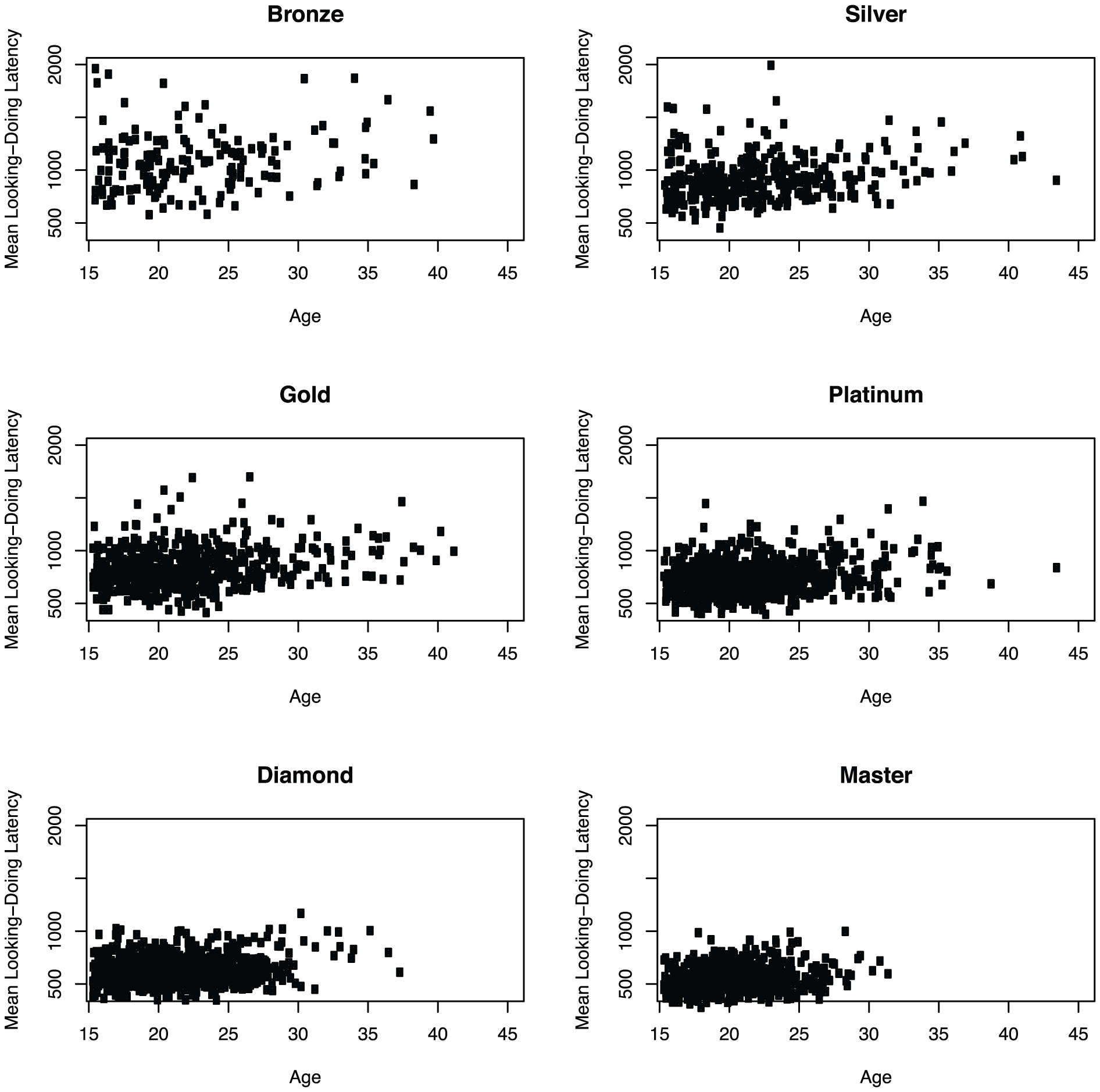
If you're over 24 years of age you've already reached your peak in terms of your cognitive motor performance, according to a new paper.

Simon Fraser University doctoral student Joe Thompson, associate professor Mark Blair, Thompson's thesis supervisor, and Andrew Henrey, a statistics and actuarial science doctoral student say this in one of the first social science experiments to rest on big data and they tested when we start to experience an age-related decline in our cognitive motor skills and how we compensate for that by analyzing the digital performance records of 3,305 StarCraft 2 players, aged 16 to 44. StarCraft 2 is a competitive intergalactic computer war game that players sometimes play for money. 

Should you get a pet? If so, a dog or a cat?  For families of children with autism, the decision may have gotten a little easier. A University of Missouri nurse has studied dog ownership decisions in families of children with autism and found, regardless of whether they owned dogs, the parents reported the benefits of dog ownership included companionship, stress relief and opportunities for their children to learn responsibility.