Banner
Convergent Evolution Cheat Sheet Now 120 Million Years Old

One tenet of natural selection is a random walk of genes but nature may be more predictable than...

Synchrotron Could Shed Light On Exotic Dark Photons

There are many hypothetical particles proposed to explain dark matter and one idea to explore how...

The Pain Scale Is Broken But This May Fix It

Chronic pain is reported by over 20 percent of the global population but there is no scientific...
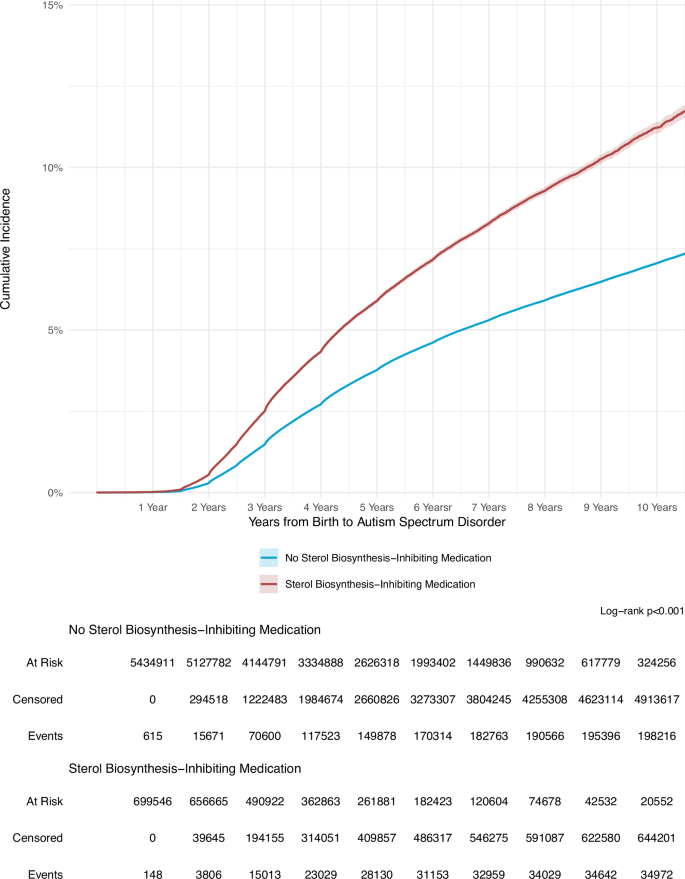
Study Links Antidepressants, Beta-blockers and Statins To Increased Autism Risk

An analysis of 6.14 million maternal-child health records  has linked prescription medications...

User picture.
News StaffRSS Feed of this column.

News Releases From All Over The World, Right To You... Read More »

Blogroll

These findings differ from previous smaller trials and do not support a general recommendation for the use of probiotics to treat colic in infants.

Infant colic (excessive crying of unknown cause) affects up to 20% of infants and is a major burden to families and health services. Although it spontaneously resolves three to four months after birth, its cause remains elusive and no single effective treatment exists.

Previous small trials suggest that the probiotic Lactobacillus reuteri effectively treats colic in breastfed infants. These studies, however, had limitations as they examined only a highly selective group of infants with colic. The effects of L reuteri on formula fed infants with colic are unknown.

The amount of water present in the moon may have been overestimated by scientists studying the mineral apatite, according to a new computer model created to accurately predict how apatite would have crystallized from cooling bodies of lunar magma early in the moon's history. Their simulations revealed that the unusually hydrogen-rich apatite crystals observed in many lunar rock samples may not have formed within a water-rich environment, as was originally expected.  

Writing in Science, the authors say this discovery has overturned the long-held assumption that the hydrogen in apatite is a good indicator of overall lunar water content.  

Can you buy ethics? Are scientists simply paid guns producing research for anyone that writes a check?

It's certainly a common cultural belief. Skeptics about global warming think that academics cozy up to politicians and apply for grants related to whatever is in the news while skeptics about medicine believe that if a researcher gets funding from anywhere except the government they are for sale. In reality, there is more disclosure and less conflict of interest that at any point in the history of science. There was a time when scientists had to read Tarot cards and make astrology charts for wealthy patrons and people who know how expensive and difficult drug discovery is dread a future where the government does it rather than corporations.

Oxytocin, the love hormone, is correlated to everything from maternal attachment to sexual addiction. Now it has been implicated in lying.

Oxytocin is a hormone the body naturally produces to stimulate bonding and psychologists from Ben-Gurion University of the Negev (BGU) and the University of Amsterdam say it even causes participants to lie more to benefit their groups. People do so more quickly and without expectation of reciprocal dishonesty from their group, they write in the Proceedings of the National Academy of Science (PNAS).

Why zebras have black and white stripes is a long-standind puzzle of evolution.

To find out, the researchers behind a Nature Communications paper mapped the geographic distributions of the seven different species of zebras, horses and asses, and of their subspecies, noting the thickness, locations, and intensity of their stripes on several parts of their bodies. Their next step was to compare these animals' geographic ranges with different variables, including woodland areas, ranges of large predators, temperature, and the geographic distribution of glossinid (tsetse flies) and tabanid (horseflies) biting flies.

They then examined where the striped animals and these variables overlapped.

A new sociology paper finds that bullying does not just occur among social outcasts. It happens to popular kids too, and the impact may be magnified even more. Popular kids could suffer more from a single act of social aggression.

In a study of students and their friendship networks in 19 North Carolina schools, the authors write in American Sociological Review that the risk of being bullied drops dramatically only for the adolescents in the truly elite among the school's social strata - the top 5%.