Banner
Pilot Study: Fibromyalgia Fatigue Improved By TENS Therapy

Fibromyalgia is the term for a poorly-understood condition where people experience pain and fatigue...

High Meat Consumption Linked To Lower Dementia Risk

Older people who eat large amounts of meat have a lower risk of dementia and cognitive decline...

Long Before The Inca Colonized Peru, Natives Had A Thriving Trade Network

A new DNA analysis reveals that long before the Incan Empire took over Peru, animals were...

Mesolithic People Had Meals With More Tradition Than You Thought

The common imagery of prehistoric people is either rooting through dirt for grubs and picking berries...

User picture.
News StaffRSS Feed of this column.

News Releases From All Over The World, Right To You... Read More »

Blogroll
In mice, caloric restriction has been found to increase aging but obviously mice are not little people, and mice are weaned on a starvation diet. That cannot and will never happen in humans. Yet  restricting calories even by 20 percent has been shown to promote longer life in animal models.
When we created the Science 2.0 movement, it quickly caught cultural fire. Blogging became the thing to do, to such an extent that corporate media entered with contracts for scientists while outlets like the BBC began to explore publishing user-generated content.

Social media filled the void when the blogging movement faded and while it changed journalism - articles about social media responses became common - it did nothing for knowledge creation and scientific peer review. Instead of blogging being a firewall for the public regarding science content, pay-to-publish journals claiming to be peer-reviewed instead overwhelmed the ability of scientists to look at it all.
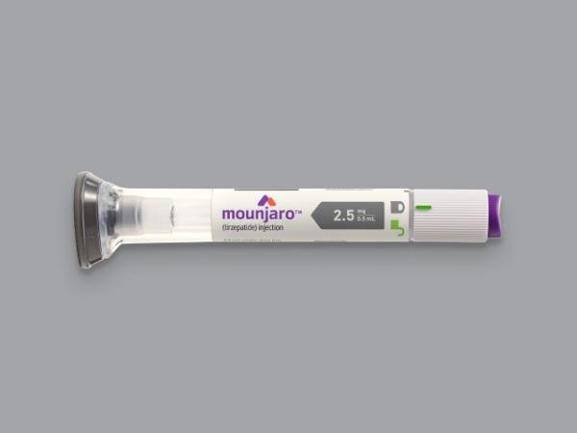
Tirzepatide facilitates weight loss in obese people with type 2 diabetes and therefore improves glucose control and also results in improved cardiovascular disease outcomes.

A recent analysis compared a group of adults with type 1 diabetes who were prescribed tirzepatide (off-label) to a control group of adults with type 1 diabetes who were not using any weight-loss medication. The investigators reported significantly larger declines in body mass index (BMI) and weight in the treated group compared to controls. HbA1c decreased in the treated group as early as three months and was sustained through a one-year follow-up.
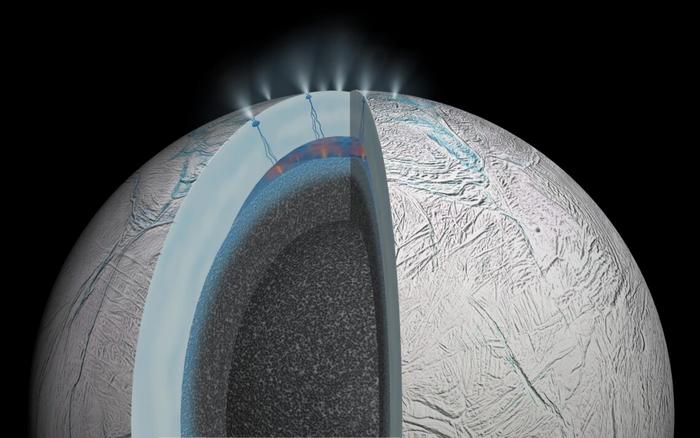
Life may be detected in a single ice grain containing one bacterial cell or portions of a cell which means it could be found in the frozen sea spray from the moons orbiting Saturn or Jupiter.

Finding that will take is a mass spectrometer onboard a spacecraft, and that will happen when the Europa Clipper mission launches in October with the The SUrface Dust Analyzer.

The authors couldn't simulate grains of ice flying through space at 2 to 3 miles per second to hit an observational instrument so they used an experimental setup that sent a thin beam of liquid water into a vacuum, where it disintegrates into droplets. They then used a laser beam to excite the droplets and mass spectral analysis to mimic what instruments on the space probe will detect.
A recent study in mice suggests the the liver is key in a molecular link that may also cause humans with diabetes to develop Alzheimer’s disease.

Unlike type 1 diabetes, type 2 diabetes is overwhelmingly in obese people so if the findings in mice ever apply to humans the prevention of Alzheimer’s disease in such people could be avoiding it in the first place.
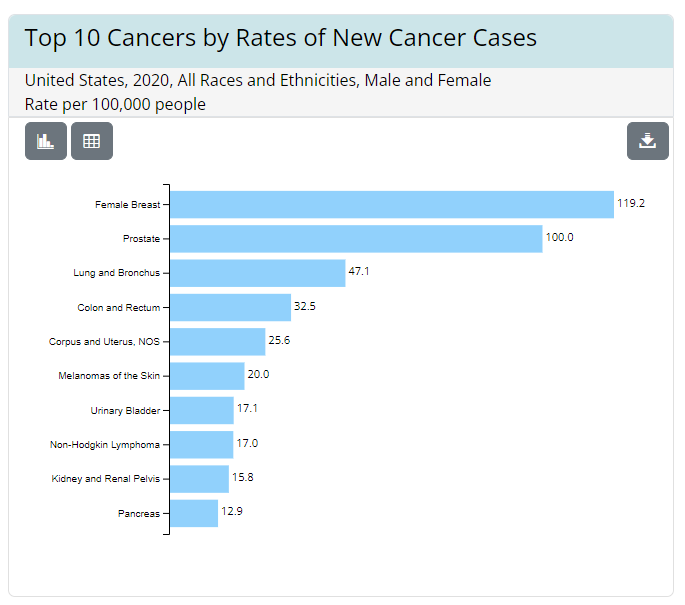
Given that most adult women did not have access to the HPV vaccine in youth, the clinical burden of cervical cancer in the United States has not yet declined.  

Women still get tested and a few thousand still die each year. The authors believe that the increase in saved life-years has not occurred because taxpayers haven't yet spent enough.