Banner
Pilot Study: Fibromyalgia Fatigue Improved By TENS Therapy

Fibromyalgia is the term for a poorly-understood condition where people experience pain and fatigue...

High Meat Consumption Linked To Lower Dementia Risk

Older people who eat large amounts of meat have a lower risk of dementia and cognitive decline...

Long Before The Inca Colonized Peru, Natives Had A Thriving Trade Network

A new DNA analysis reveals that long before the Incan Empire took over Peru, animals were...

Mesolithic People Had Meals With More Tradition Than You Thought

The common imagery of prehistoric people is either rooting through dirt for grubs and picking berries...

User picture.
News StaffRSS Feed of this column.

News Releases From All Over The World, Right To You... Read More »

Blogroll
Some 4,000 years before domesticated agriculture, hunter-gatherers baked their own bread, according to a discovery at an archaeological site in northeastern Jordan.

Researchers have discovered the charred remains of a flatbread baked around 14,400 years ago, the oldest direct evidence of bread found to date, predating the advent of agriculture by at least 4,000 years. The findings suggest that bread production based on wild cereals may have encouraged hunter-gatherers to cultivate cereals, and thus contributed to the agricultural revolution in the Neolithic period.
Nature is not just out to kill us, it is out to kill itself, in the interest of surviving over the long term. That is why even the most wholesome backyard organic garden is a hotbed of combat between plants and unseen microorganisms in the soil fighting for space to grow.

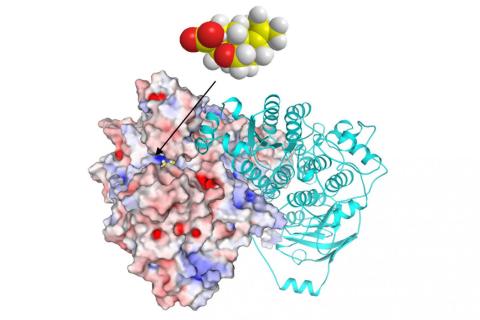
To defeat a plant, a microbe might produce and use toxic chemicals - but then the microbe also needs immunity from its own poisons. The genes that create protective shield in microorganisms could become a new, highly effective weed killer and the first new class of commercial herbicides in more than 30 years.

While environmentalists raise millions of dollars insisting they will get targeted pesticides (e.g. neonicotinoids) banned to save bees that aren't really in peril, science is looking at things which do actually put bees at risk.

At the top of the list is not pesticides, it's nature. An international team has discovered evidence of 27 previously unknown viruses in bees, which could help scientists design strategies to prevent the spread of viral pathogens among these important pollinators. 

Intermittent fasting - fasting every other day - is guaranteed to lose weight in the short term, because it's a crash diet. 

But like lots of other fad diets, the people selling books about it are basing their speculation on animal models and an unrealistic amount of optimism. In biological reality, intermittent fasting impairs the action of sugar-regulating hormone, insulin, which may increase diabetes risk.

Findings presented in the spring at at the European Society of Endocrinology annual meeting, suggest that fasting-based diets may be associated with long-term health risks and careful consideration should be made before starting this fad program - or any fad diet. Energy balance is the only known way to lose weight.

The asteroid Oumuamua ("scout from the distant past" in Hawaiian) was discovered on October 19, 2017 by astronomers at thr Pan-STARRS1 survey when it came close to Earth's orbit, within the orbit of Mercury, about a month after its closest approach to the Sun It was called an asteroid - but it may be a comet.

Why the confusion? There are more data about its trajectory. Oumuamua was unlike any asteroid or comet observed before. It sped past the Sun, approaching from "above" the plabe of the planets on a highly inclined orbit, moving fast enough (70,800 miles per hour as of July 1, 2018) to escape the Sun's gravitational pull and eventually depart our Solar System.
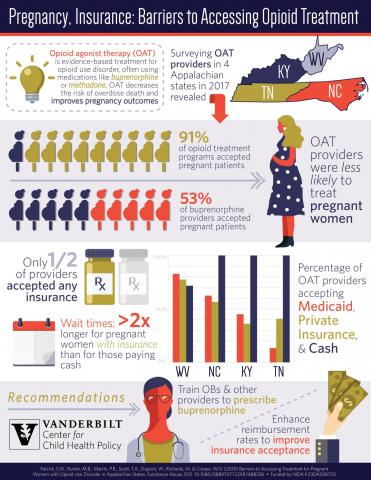
In 2016, more than 42,000 Americans died of an opioid-related overdose, which is alarming - but most of those deaths were not accidents by pain patients or suicides, they were recreational drug users.

There are numerous obstacles to making meaningful progress. For one, legitimate pain patients have become more stigmatized - government is blaming doctors and pharmacy rather than drug dealers - and that means people who want to kick their addiction are even more ostracized.