Utopia is a perfect world where we can eat to our heart's content without without getting heart disease or diabetes or even cancer. In mice, Utopia may be coming closer. Mice with an extra dose of a known anti-cancer gene called Pten lose weight even as their appetites grow. They also live longer - but not just because they aren't getting cancer.
One of the animals' youthful secrets is hyperactive brown fat, which burns energy instead of storing it. The findings add to evidence that tumor suppressors aren't designed only to protect us against cancer, the researchers say. They also point to new treatment strategies aimed to boost brown fat and fight aging.
A mini-medical machine could mean a new power scheme for cardiac pacemakers. Rather than use batteries, engineering researchers at the University of Michigan say they can use vibrations from heartbeats themselves.
Their new device is designed to harvest energy from the reverberation of heartbeats through the chest and convert those to electricity to run a pacemaker or an implanted defibrillator. By taking the place of the batteries that power them today, the new energy harvester could save patients from repeated surgeries - the only way today to replace the batteries, which last five to 10 years.
A research team has announced discovery of molecular oxygen ions (O2+) in the upper atmosphere of Dione, one of the 62 known moons orbiting Saturn.
Forget mitigation and rationing, it is not the way cultures and progress work. The long-term solution is obviously to engage in basic research and come up with effective clean energy but also to create fewer emissions while development is in progress.
America never migrated to nuclear energy the way the French did so today up to 75 percent of electricity used in the United States is instead produced by coal-burning power plants and that means carbon dioxide (CO2) in the atmosphere and increased risk of global warming. To reduce the impact of current power generation, researchers are searching for porous materials to filter out the CO2 generated by those plants before it reaches the atmosphere, a process commonly known as carbon capture.
Scientists have reported the discovery of the floor of the world's oldest forest. They are now piecing together a view of this ancient site, dating back about 385 million years and - because virtually all studies have to reference global warming these days - they note their research could shed new light on the role of modern-day forests and their impact on climate change.
The recent discovery was made in the same area in Schoharie County, New York where fossils of the Earth's oldest trees, the Gilboa stumps, were discovered in the 1850s, 1920 and again in 2010 and were brought to the New York State Museum. The Museum has the world's largest and best collection of Gilboa fossil tree stumps.
What if bacteria could talk? Or use touch? A new study hypothesizes that bacterial cells may need to communicate in order to perform certain functions.


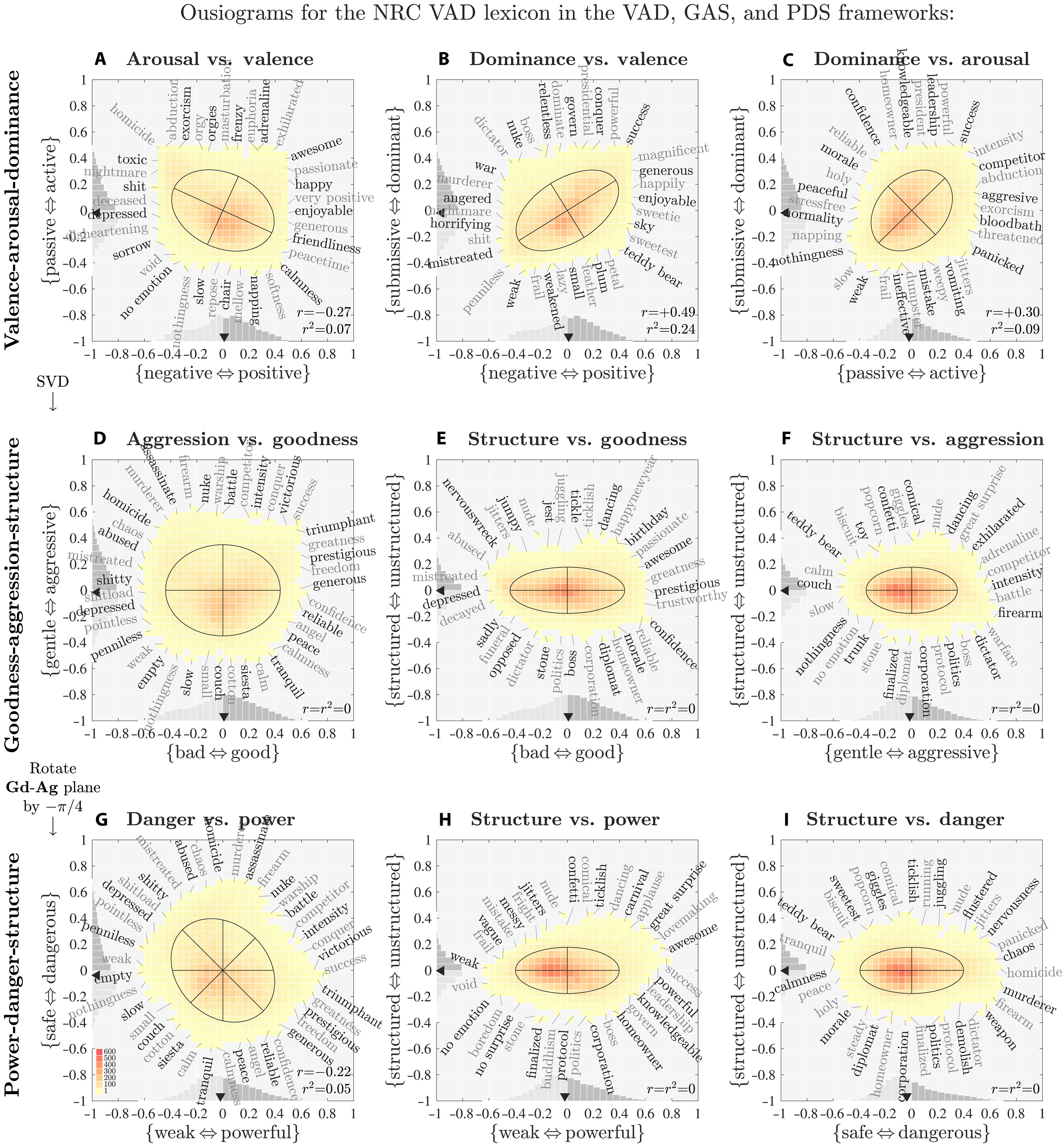 Ousiometrics Analysis Says All Human Language Is Biased
 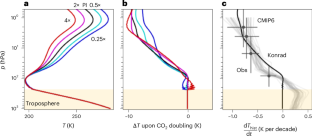 Wavelengths Of Light Are Why CO2 Cools The Upper Atmosphere But Warms Earth
 Here's Where Your Backyard Was 300 Million Years Ago
 Convergent Evolution Cheat Sheet Now 120 Million Years Old







