Despite the culture war on smokers, the idea that cigarette smoking causes lung cancer or lung disease is largely a myth. Anti-smoking groups are a multi-billion dollar industry on their own and continued marketing is a key part of maintaining the revenue stream but only 10% of smokers get lung cancer and 50% of lung cancer victims never smoked.
However, cigarette smoking is obviously not good for you so you shouldn't do it, and work continues to determine how smoking impacts risk factors for diseases.
Despite what you may guess by mass media coverage, the priorities of Americans are not global warming or wars in Iraq and Afghanistan but are instead just what they were in 1990; health care and a good education for their children.
The body's ability to break down medicines may be closely related to exposure to sunlight, according to a study from the Swedish medical university Karolinska Institutet. This could mean drug metabolism is influenced by seasons and might explain individual differences in the effects of drugs, and how the surroundings can influence the body's ability to deal with toxins.
The deadly Russian heat wave of 2010 was due to a natural atmospheric phenomenon often associated with weather extremes, according to a new study accepted for publication in Geophysical Research Letters.
A new study in Proceedings of the Royal Society B says it is the first to demonstrate that birds possess empathy - and they say they have verified it using both behavioral and physiological methods to measure these traits.
Using non-invasive physiological monitoring, the researchers say domestic hens show a clear physiological and behavioral response to their chicks' distress. During one of the controlled experiments, when the baby chicks were exposed to a puff of air, the hens' heart rate increased and eye temperature decreased. The hens also changed their behavior and reacted with increased alertness, decreased preening and increased vocalizations directed to their chicks.
The Greenland and Antarctic ice sheets are losing mass at an accelerating pace, according to a new study in Geophysical Research Letters. The authors suggest these ice sheets are overtaking ice loss from Earth's mountain glaciers and ice caps to become the dominant contributor to global sea level rise.


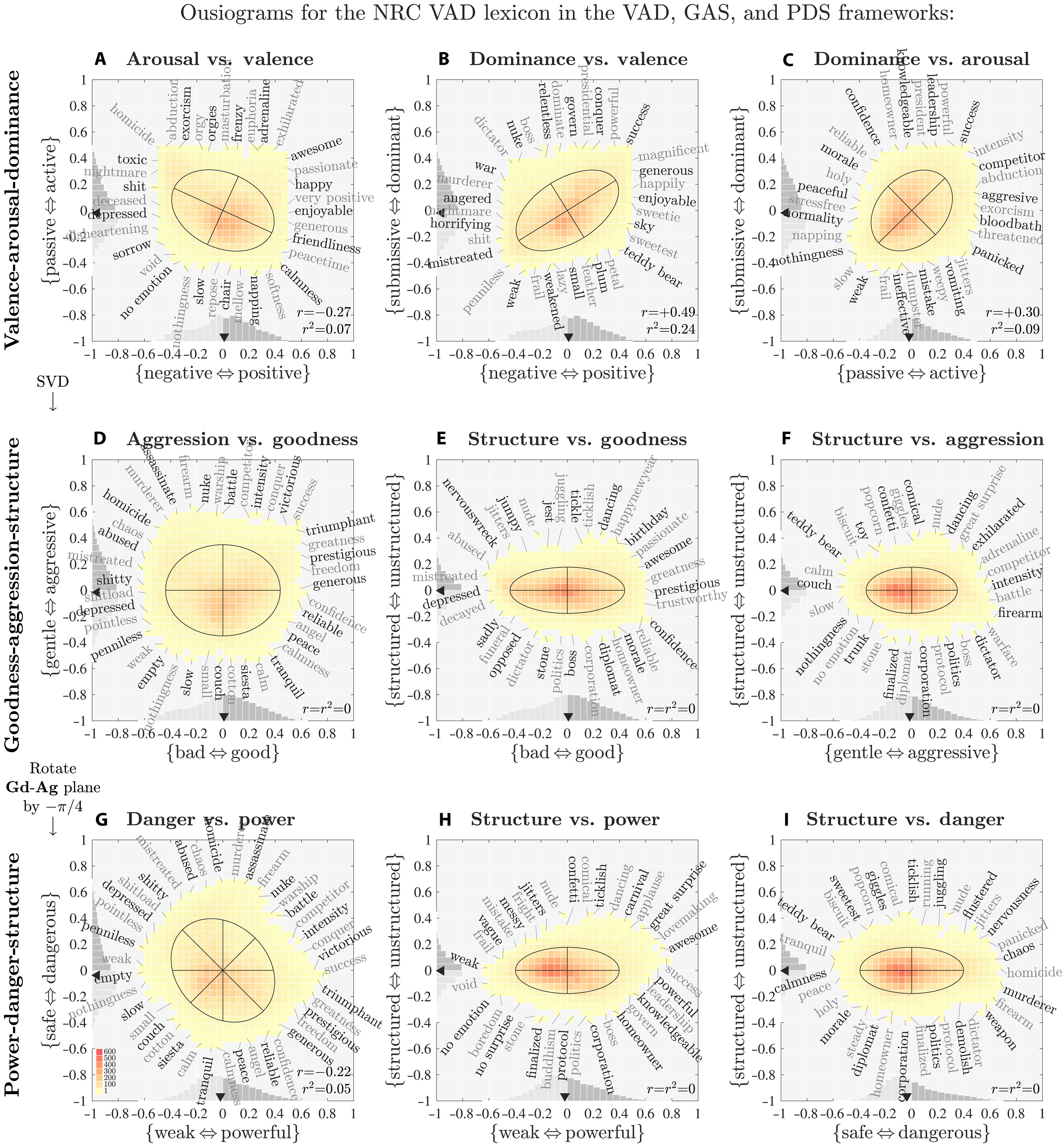 Ousiometrics Analysis Says All Human Language Is Biased
 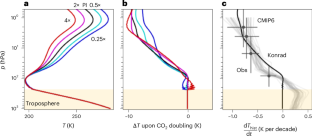 Wavelengths Of Light Are Why CO2 Cools The Upper Atmosphere But Warms Earth
 Here's Where Your Backyard Was 300 Million Years Ago
 Convergent Evolution Cheat Sheet Now 120 Million Years Old










