Banner
Pilot Study: Fibromyalgia Fatigue Improved By TENS Therapy

Fibromyalgia is the term for a poorly-understood condition where people experience pain and fatigue...

High Meat Consumption Linked To Lower Dementia Risk

Older people who eat large amounts of meat have a lower risk of dementia and cognitive decline...

Long Before The Inca Colonized Peru, Natives Had A Thriving Trade Network

A new DNA analysis reveals that long before the Incan Empire took over Peru, animals were...

Mesolithic People Had Meals With More Tradition Than You Thought

The common imagery of prehistoric people is either rooting through dirt for grubs and picking berries...

User picture.
News StaffRSS Feed of this column.

News Releases From All Over The World, Right To You... Read More »

Blogroll
The Centre National de la Recherche Scientifique, Université Paris-Sorbonne, must be a dangerous place to work, because scholars there have found that almost everything is a so-called "endocrine disruptor".

They may be correct. If you drink a cup of coffee while reading this, your hormones changed, they were disrupted. If you got angry knowing that the most anti-science country in the developed world, France, put out yet another article that has gone essentially unchallenged by anyone in their whole school much less a co-author with some common sense, your hormones changed. And because they changed, they can be called "disrupted" - if you have an agenda that does not involve science or public health. 
A Pew Research Center analysis of science-related pages on Facebook found that people are most likely to encounter "how-to" tips or advertisements rather than stories about scientific discoveries.

The reason is simple. Facebook shows people what they want to see based on past behavior. So shocking IFLScience or Buzzfeed 'X Did Y and you'll never guess what happened next!' titles will get clicked on more than articles about nematodes, making the former more likely to show up in the future. 
Vegetarians are not winning in the public consciousness but they are certainly winning in media and academia. The reason is simple: claiming something is harmful is a great call to action whereas telling people they are healthier in the modern world than ever before won't raise money at all.

The controversial group International Agency for Research on Cancer, which has been shown to have been hijacked by activists who didn't declare conflicts of interest, declared red and processed meat carcinogens on the same level as mustard gas, plutonium and cigarette smoking, and since California is required by law to automatically put IARC ingredients on its Proposition 65, there has been a rush to chase grants reaffirming why they are right. 
At a press conference Saturday, a team of scholars presented data that sent an icy chill through the hearts of activists against science and medicine, like Pete Myers of Environmental Health News and Fred vom Saal, who sell natural alternatives to modern products which they claim are all "endocrine disruptors."

They showed that regular exposure to lavender or tea tree oil was linked to abnormal breast growth in young boys - prepubertal gynecomastia - because the common plant-derived oils act as endocrine-disrupting chemicals.  
USDA has reported that honeybees are down 4 percent for 2017, which set off another flurry of Beepocalypse claims by corporate journalists who desperately want to believe that modern science is killing us.

What gets left out of the story is that the 4 percent is down from a 22 year high.

There is no Beepocalypse, no Colony Collapse Disorder, no anything. It is just a statistical blip, as has happened in bees since even casual record-keeping began over a thousand years ago.
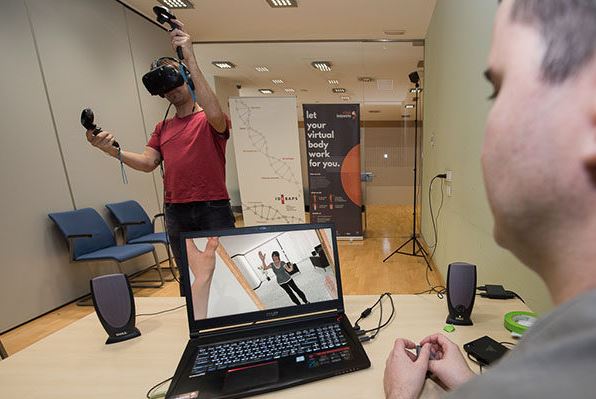
A virtual reality system for men who committed a domestic violence crime allows them to 'get into the victim’s shoes' - not by beating them, that likely caused the cycle of violence, according to sociologists. Instead, the belief is that violent people have a lack of emotional recognition and that virtual experience improves the participant’s perception of emotions.

Sociologists contend that violence is related to a lack of empathy or the abuser’s difficulty to put him/herself on the victim’s shoes. Although there are surveys which contend that violent people have difficulties in identifying emotions like fear or rage, there are some discrepancies due the used methodology to determine empathy and ethical problems these studies present.