Banner
Pilot Study: Fibromyalgia Fatigue Improved By TENS Therapy

Fibromyalgia is the term for a poorly-understood condition where people experience pain and fatigue...

High Meat Consumption Linked To Lower Dementia Risk

Older people who eat large amounts of meat have a lower risk of dementia and cognitive decline...

Long Before The Inca Colonized Peru, Natives Had A Thriving Trade Network

A new DNA analysis reveals that long before the Incan Empire took over Peru, animals were...

Mesolithic People Had Meals With More Tradition Than You Thought

The common imagery of prehistoric people is either rooting through dirt for grubs and picking berries...

User picture.
News StaffRSS Feed of this column.

News Releases From All Over The World, Right To You... Read More »

Blogroll

Researchers have identified novel genetic mutations that are linked to hereditary diffuse gastric cancer, with these mutations being due to both independent mutational events and common ancestry, according to a study in the June 6 issue of JAMA.

What did dinosaurs hear? Probably a lot of low frequency sounds, like the heavy footsteps of another dinosaur, if University of Maryland professor Robert Dooling and his colleagues are right. What they likely couldn't hear were the high pitched sounds that birds make.


This diagram illustrates the relationship among archosaurs, which includes dinosaurs, crocodiles and birds. The drawings are of the inner ear structure of the different species. The numbers to the left are the time scale in million years. Today's birds are the closest living relatives of the extinct dinosaurs. Credit: University of Maryland

An architect pursuing a Ph.D. at the Technion-Israel Institute of Technology and his colleague have devised a low-tech way to collect dew from the air and turn it into fresh water. Their invention recently won an international competition seeking to make clean, safe water available to millions around the world.


WatAir, shown here in an artistic rendering, could produce an unlimited supply of fresh water even in remote and polluted places.

Last year, a groundbreaking international project found that a group of Japanese patients with advanced non-small cell lung cancer survived longer —and had a higher rate of side effects — than U.S. patients with the same diagnosis,.when both groups were given two well-known drugs for the disease.

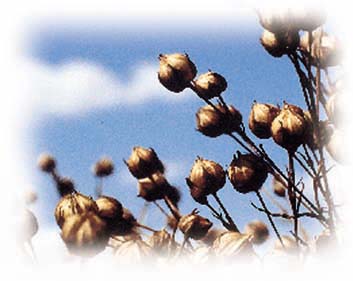
Flaxseed, an edible seed that is rich in omega 3-fatty acids and fiber-related compounds known as lignans, is effective in halting prostate tumor growth, according to a study led by Duke University Medical Center researchers. The seed, which is similar to a sesame seed, may be able to interrupt the chain of events that leads cells to divide irregularly and become cancerous.

"Our previous studies in animals and in humans had shown a correlation between flaxseed supplementation and slowed tumor growth, but the participants in those studies had taken flaxseed in conjunction with a low-fat diet," said Wendy Demark-Wahnefried, Ph.D., a researcher in Duke's School of Nursing and lead investigator on the study.

Any number of things can go wrong in the cells of the body to cause cancer -- and clinicians can't tell by just looking at a tumor what exactly triggered the once normal cells to turn cancerous.

New tests developed by researchers at Duke University can determine the precise patterns among thousands of genes to identify the cascade of events, or pathways, that led to the cancer.