Banner
Pilot Study: Fibromyalgia Fatigue Improved By TENS Therapy

Fibromyalgia is the term for a poorly-understood condition where people experience pain and fatigue...

High Meat Consumption Linked To Lower Dementia Risk

Older people who eat large amounts of meat have a lower risk of dementia and cognitive decline...

Long Before The Inca Colonized Peru, Natives Had A Thriving Trade Network

A new DNA analysis reveals that long before the Incan Empire took over Peru, animals were...

Mesolithic People Had Meals With More Tradition Than You Thought

The common imagery of prehistoric people is either rooting through dirt for grubs and picking berries...

User picture.
News StaffRSS Feed of this column.

News Releases From All Over The World, Right To You... Read More »

Blogroll

Working in a cave complex deep beneath South Africa's Malmani dolomites, an international team of scientists has brought to light an unprecedented trove of hominin fossils -- more than 1,500 well-preserved bones and teeth -- representing the largest, most complete set of such remains found to date in Africa.

The discovery of the fossils, cached in a barely accessible chamber in a subterranean labyrinth not far from Johannesburg, adds a new branch to the human family tree, a creature dubbed Homo naledi.

The remains, scientists believe, could only have been deliberately placed in the cave.

Are black voters more likely to vote for black candidates, regardless of political party affiliation? Not according to a paper by a scholar from the University of Cincinnati.

In the game of wheat genetics, Jorge Dubcovsky's laboratory at UC Davis has hit a grand slam, unveiling for the fourth time in a dozen years a gene that governs wheat vernalization, the biological process requiring cold temperatures to trigger flower formation.

Identification of the newly characterized VRN-D4 gene and its three counterpart genes is crucial for understanding the vernalization process and developing improved varieties of wheat, which provides about one-fifth of the calories and proteins that we humans consume globally.

The new study, reported online in the Proceedings of the National Academy of Sciences, also shows how the spring growth habit in some wheat varieties traces back to ancient wheat that grew in what is now Pakistan and India.

The commonly prescribed antidepressant sertraline, a selective serotonin reuptake inhibitor (SSRI) marketed as Zoloft, may alter brain structures in depressed and non-depressed individuals in very different ways, according to new research conducted in monkeys. It significantly increased the volume of one brain region in depressed subjects but decreased the volume of two brain areas in non-depressed subjects.

In the study, 41 middle-aged female monkeys were fed a diet formulated to replicate that consumed by many Americans for 18 months, during which time depressive behavior in the animals was recorded. Female monkeys were chosen for this study because depression is nearly twice as common in women as men and the use of antidepressants is most common in women ages 40 to 59.

As we grow older, we lose strength and muscle mass. However, the cause of age-related muscle weakness and atrophy has remained a mystery.

Scientists at the University of Iowa have discovered the first example of a protein that causes muscle weakness and loss during aging. The protein, ATF4, is a transcription factor that alters gene expression in skeletal muscle, causing reduction of muscle protein synthesis, strength, and mass. The UI study also identifies two natural compounds, one found in apples and one found in green tomatoes, which reduce ATF4 activity in aged skeletal muscle. The findings, which were published online Sept. 3 in the Journal of Biological Chemistry, could lead to new therapies for age-related muscle weakness and atrophy.

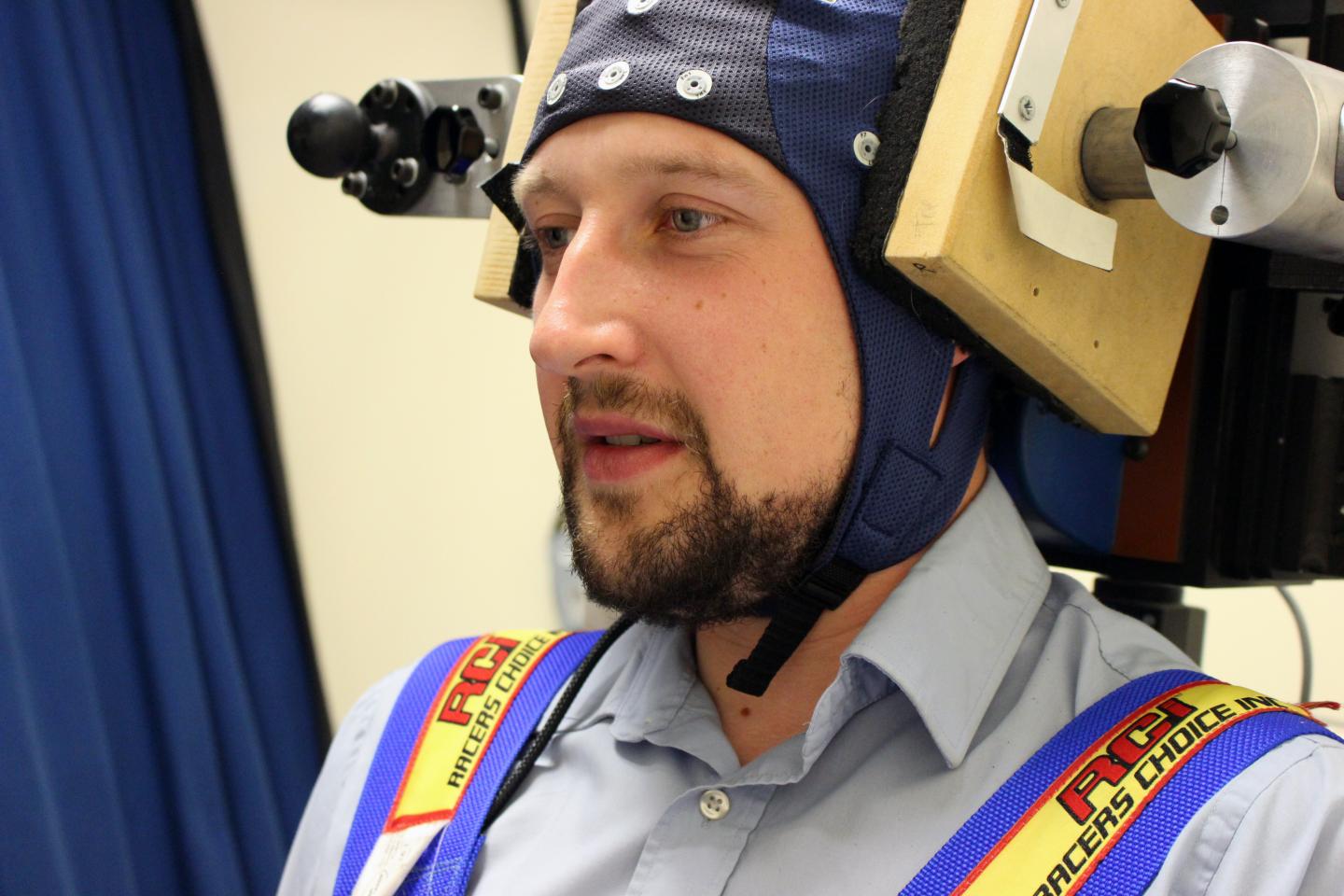
The misery of motion sickness could be ended within five to ten years thanks to a new treatment being developed by scientists.

The cause of motion sickness is still a mystery but a popular theory among scientists says it is to do with confusing messages received by our brains from both our ears and eyes, when we are moving. It is a very common complaint and has the potential to affect all of us, meaning we get a bit queasy on boats or rollercoasters. However, around three in ten people experience hard-to-bear motion sickness symptoms, such as dizziness, severe nausea, cold sweats, and more.