Banner
Pilot Study: Fibromyalgia Fatigue Improved By TENS Therapy

Fibromyalgia is the term for a poorly-understood condition where people experience pain and fatigue...

High Meat Consumption Linked To Lower Dementia Risk

Older people who eat large amounts of meat have a lower risk of dementia and cognitive decline...

Long Before The Inca Colonized Peru, Natives Had A Thriving Trade Network

A new DNA analysis reveals that long before the Incan Empire took over Peru, animals were...

Mesolithic People Had Meals With More Tradition Than You Thought

The common imagery of prehistoric people is either rooting through dirt for grubs and picking berries...

User picture.
News StaffRSS Feed of this column.

News Releases From All Over The World, Right To You... Read More »

Blogroll

Following the British Medical Association's plan for a 20% sugar tax to subsidize the cost of fruit and vegetables - which some pundits must believe contain no carbohydrates - another group have added their voices to such scientization of politics in BMJ.

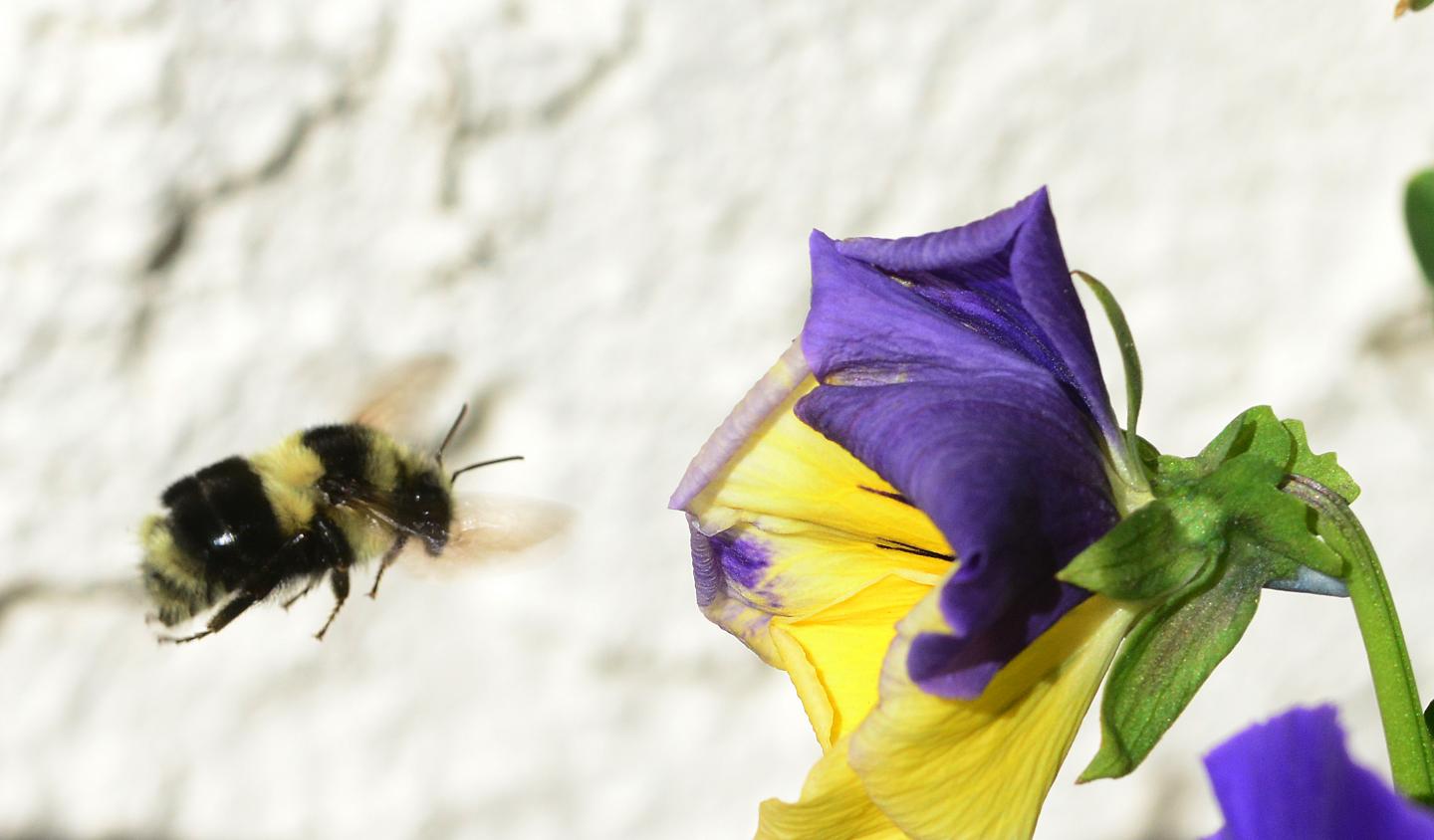
Among all the hype about bee deaths, there is an overwhelming amount of discussion about pesticides and blinders on about parasites and disease and even climate change, but one thing gets no mention at all: Flowers.

But they are a grave danger to bees, according to an article in Proceedings of the Royal Society B.

The study is the first to show that not only can bees disperse parasites around the environment but also that flowers are platforms for a host of pollinator parasites subsequently dispersed onto visiting bees. 

U.S. farmers have long hoped to extend sugarcane's growing range northward from the Gulf coast because it substantially increase the land available for sugar and (for as long as subsidies last) biofuels.

Several hybrid canes developed in the 1980s have proved hardy in cooler climes, surviving overwinter as far north as Booneville, Arkansas, but no one had tested whether
the offspring of crosses between sugarcane and a hardy, cold-tolerant grass, Miscanthus - "miscanes" - actually photosynthesize, and thus continue to grow, when the thermometer dips.

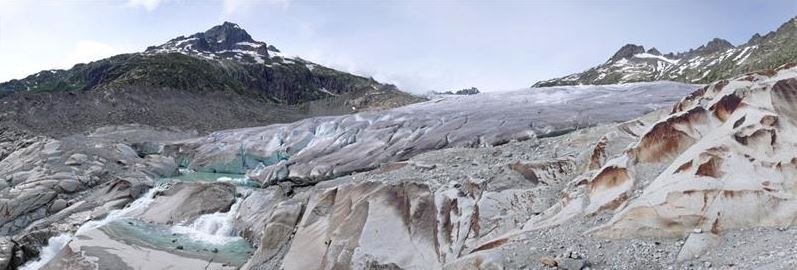
The World Glacier Monitoring Service, which compiles the results of worldwide glacier observations in annual calls-for-data, has compiled such data on glacier changes for more than 120 years.

Now they have published a new analysis of global glacier changes and say observations of the first decade of the 21st century (2001-2010) compared to all available earlier data from in-situ, air-borne, and satellite-borne observations as well as to reconstructions from pictorial and written sources leads them to believe that observed glaciers currently lose between half a meter and one meter of ice thickness every year – this is two to three times more than the corresponding average of the 20th century.

A new paper says protective probiotics could fight the "chytrid" fungus that has been decimating amphibian populations worldwide.

Jenifer Walke, PhD, a postdoctoral researcher at Virginia Tech University, Blacksburg, and collaborators have grown bacterial species from the skin microbiome of four species of amphibians. 

The desire to quit smoking--often considered a requirement for enrolling in treatment programs--is not always necessary to reduce cigarette cravings, argues a review of addiction research. Early evidence suggests that exercises aimed at increasing self-control, such as mindfulness meditation, can decrease the unconscious influences that motivate a person to smoke. 

Scientists are looking to the brain to understand why setting a "quit day" isn't a surefire way to rid oneself of a cigarette habit. Recent neuroimaging studies have shown that smokers have less activity in the brain regions associated with self-control, raising questions around whether targeting these neurobiological circuits could be a way to treat addiction.