Banner
Wavelengths Of Light Are Why CO2 Cools The Upper Atmosphere But Warms Earth

There are concerns about projected warming on the Earth’s surface and in the lower atmosphere...

Here's Where Your Backyard Was 300 Million Years Ago

We may use terms like "grounded" and terra firma to mean stability and consistency but geology...

Convergent Evolution Cheat Sheet Now 120 Million Years Old

One tenet of natural selection is a random walk of genes but nature may be more predictable than...

Synchrotron Could Shed Light On Exotic Dark Photons

There are many hypothetical particles proposed to explain dark matter and one idea to explore how...

User picture.
News StaffRSS Feed of this column.

News Releases From All Over The World, Right To You... Read More »

Blogroll
If you read the marketing claims for probiotics and supplements, and an alarming number of papers that have made spurious claims to feed the fad, you might think gut bacteria were the magic bullet for a lot of diseases.

A new paper says they even determine whether or not your jeans fit this week. Pizza and exercise are hereby absolved. Instead, the  types of microbes that grow in our body, influenced by our genetic makeup, influences whether we are fat or thin, according to a paper in Cell.

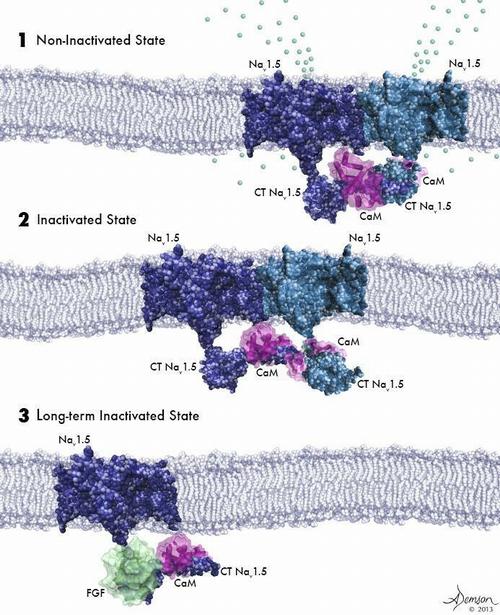
Heart attacks are often caused by conditions that affect electrical signaling in the heart. Genetic studies have linked two of these conditions, long QT syndrome and Brugada syndrome, to mutations in the sodium channels that let sodium ions into cells in response to electrical signals.  
A multidisciplinary team has been tracking the complex of proteins thought to be at fault in some cases of sudden cardiac death and now they have finally captured images of the complex. Those images reveal the connection between some genetic mutations and electrical abnormalities of the heart and provide a starting point for designing therapies.

Olaparib, an experimental twice-daily oral cancer drug, produces an overall tumor response rate of 26 percent in several advanced cancers associated with BRCA1 and BRCA2 mutations, according to results of a Phase II study.

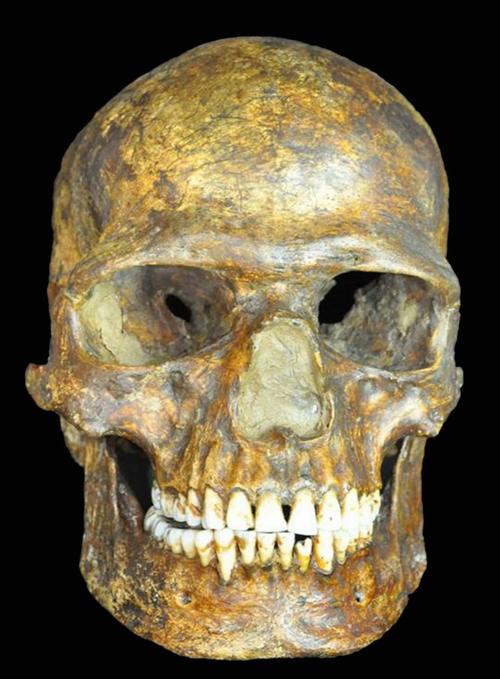
Scientists believe that Eurasians separated into at least three populations around 36,000 years ago: Europeans,Asians and a mystery third lineage, all whose descendants would develop the unique features of most non-African peoples after interbreeding with Neanderthals. 

A new study on DNA recovered from a fossil of one of the earliest known Europeans, who lived 36,000 years ago in Kostenki, western Russia, has shown that the earliest European humans' genetic ancestry survived the Last Glacial Maximum - the peak point of the last ice age. 

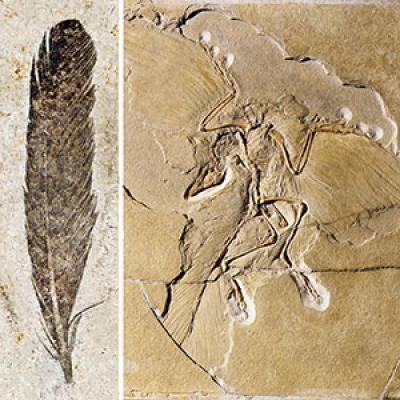
Reconstructing ancient life has long required a certain amount of inference and imagination - especially speculative is the coloration of long-extinct organisms.

New methods of investigation are being incorporated into paleontology that may shed light (and color) on fossils.

A reference genome for coffee trees has been sequenced for the first time. It improves understanding of the organization of the genome, which is academic, but it also offers new possibilities for selection or improvement of coffee tree varieties. 

The researchers chose Robusta coffee because of its average sized genome (710 million pairs of DNA bases) and its diploid nature contrary to Coffea arabica, which is tetraploid. The genetic map of the coffee tree studied was produced in the 1980s and also had the advantage of being a homozygous plant (two identical sets of eleven chromosomes), which is easier to analyze than natural heterozygotes.