Banner
Wavelengths Of Light Are Why CO2 Cools The Upper Atmosphere But Warms Earth

There are concerns about projected warming on the Earth’s surface and in the lower atmosphere...

Here's Where Your Backyard Was 300 Million Years Ago

We may use terms like "grounded" and terra firma to mean stability and consistency but geology...

Convergent Evolution Cheat Sheet Now 120 Million Years Old

One tenet of natural selection is a random walk of genes but nature may be more predictable than...

Synchrotron Could Shed Light On Exotic Dark Photons

There are many hypothetical particles proposed to explain dark matter and one idea to explore how...

User picture.
News StaffRSS Feed of this column.

News Releases From All Over The World, Right To You... Read More »

Blogroll

A team of astronomers recently reported discovering a pulsating star that appears to shine with the energy of 10 million suns. A pulsar is a type of rotating neutron star that emits a bright beam of energy that regularly sweeps past Earth like a lighthouse beacon.

What are the odds finding another one so bright? According to one of the paper's authors, quite good. 

Professor Deepto Chakrabarty of the Kavli Institute for Astrophysics and Space Research at the Massachusetts Institute of Technology says he is optimistic that astronomers will find additional ultra-bright pulsars now that they know such objects exist.

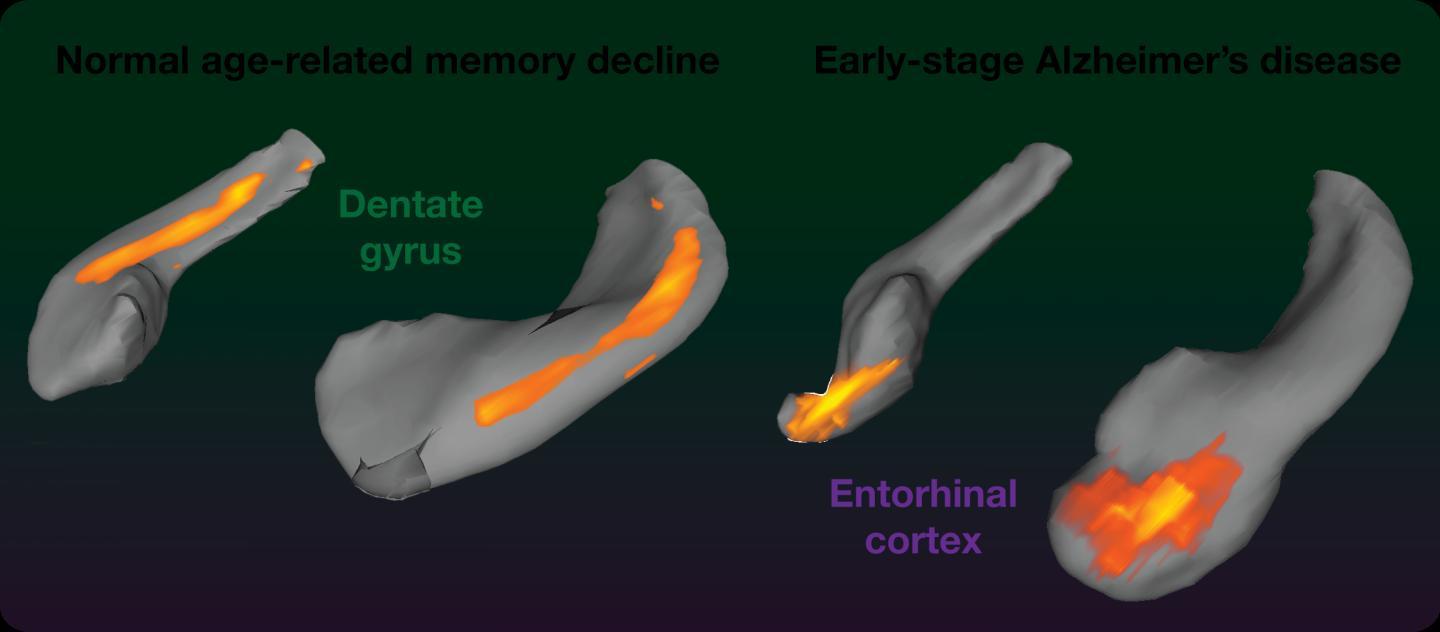
A new study has found that  age-related memory decline in healthy older adults
can be reversed by dietary cocoa flavanols, the naturally occurring bioactives found in cocoa.

The expanding thermonuclear fireball of a nova is a staple of movies and fiction but last year one was witnessed in the constellation Delphinus with unprecedented clarity. The observations produced the first images of a nova during the early fireball stage and revealed how the structure of the ejected material evolves as the gas expands and cools. 

Antibiotics are a part of nature, as is antibiotic resistance. A study on how a powerful antibiotic agent gets made in nature solved a decades-old mystery and opens up new avenues of research into thousands of similar molecules.

The team focused on a class of compounds that includes dozens with antibiotic properties. The most famous of these is nisin, a natural product in milk that can be synthesized in the lab and is added to foods as a preservative. Nisin has been used to combat food-borne pathogens since the late 1960s.

Though the Centers for Disease Control has been a little confused about dealing with Ebola, Disaster Medicine and Public Health Preparedness has guidelines for volunteers who want to help. 

Some are obvious. If you deal with Ebola patients, quarantine yourself for a little while. People in the bowling alley don't need to know right now that you were with Doctors Without Borders and that you just got back from helping overseas.

Common sense is needed, though The World Health Organization has asked for more volunteers to aid in the outbreak. More is not better if they are not trained and prepared, so it is best to have trained emergency response clinicians instead of medical students and trainees. 

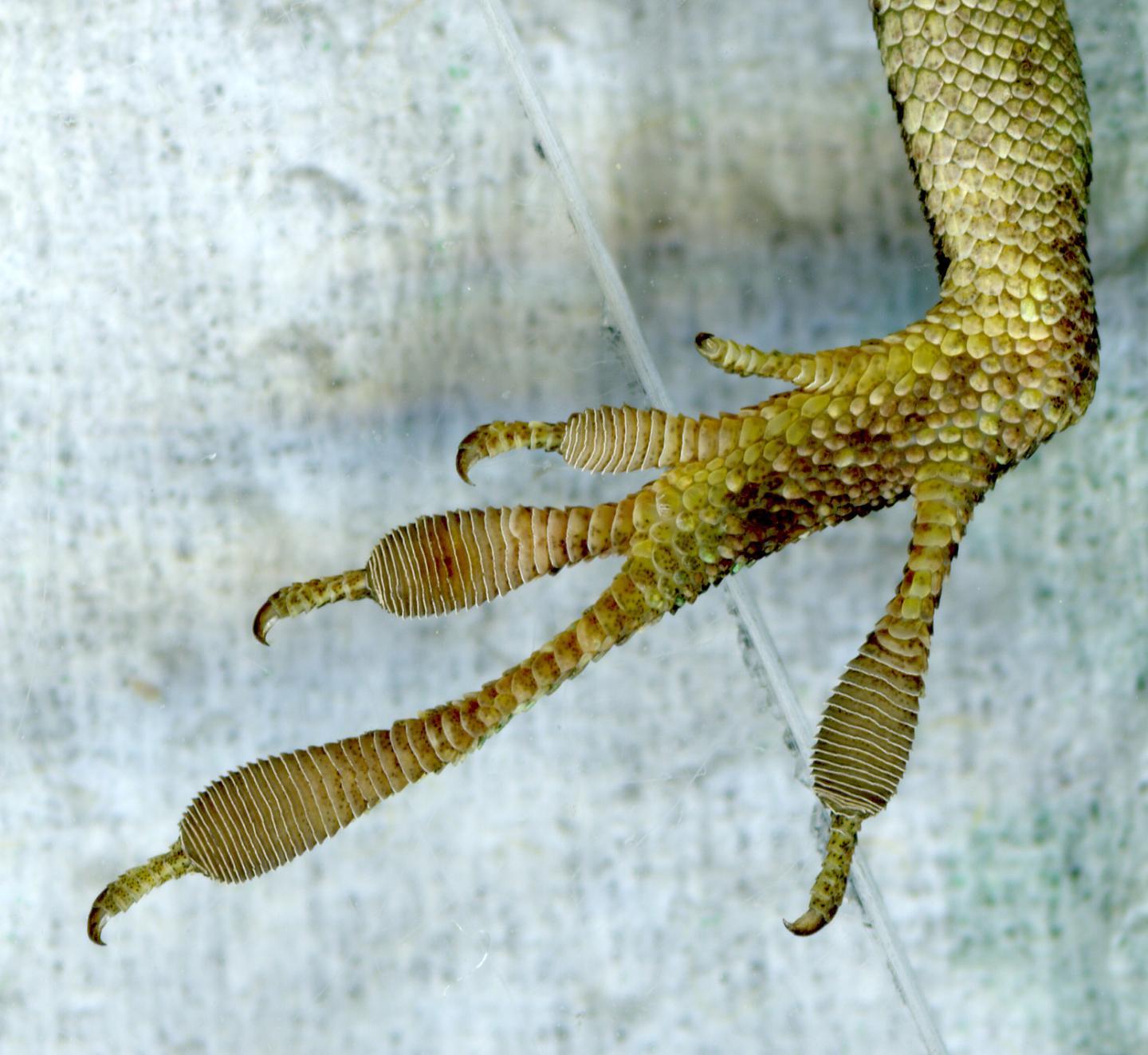
Scientists have documented the rapid evolution of a native lizard species as a result of pressure from an invading lizard species introduced from Cuba. 

After contact with the invasive species, the native lizards began perching higher in trees, and, generation after generation, their feet evolved to become better at gripping the thinner, smoother branches found higher up. It only took about 20 generations - 15 years - but even within a few months, native lizards had begun shifting to higher perches and as time passed their toe pads had become larger, with more sticky scales on their feet.