
Banner
Ousiometrics Analysis Says All Human Language Is Biased

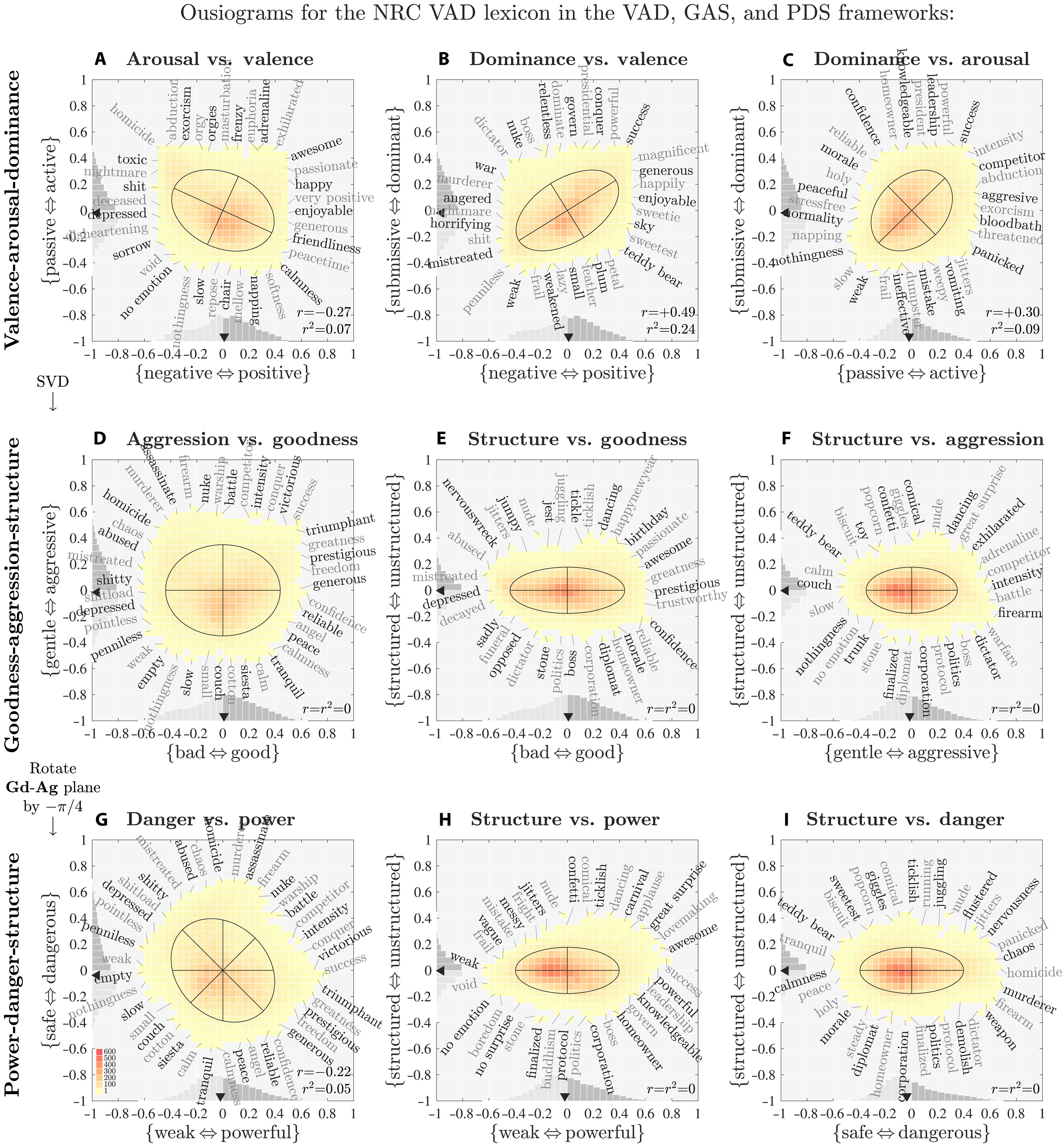
A new tool drawing on billions of uses of more than 20,000 words and diverse real-world texts claims...

Wavelengths Of Light Are Why CO2 Cools The Upper Atmosphere But Warms Earth

There are concerns about projected warming on the Earth’s surface and in the lower atmosphere...

Here's Where Your Backyard Was 300 Million Years Ago

We may use terms like "grounded" and terra firma to mean stability and consistency but geology...

Convergent Evolution Cheat Sheet Now 120 Million Years Old

One tenet of natural selection is a random walk of genes but nature may be more predictable than...

User picture.
News StaffRSS Feed of this column.

News Releases From All Over The World, Right To You... Read More »

Blogroll

Our immune system must distinguish between self and foreign and in order to fight infections without damaging the body's own cells at the same time. The immune system is loyal to cells in the body, but how this works is not fully understood.

A new study has discovered that the immune system uses a molecular biological clock to target intolerant T cells during their maturation process. 

It's an early lesson in genetics: we get half our DNA from Mom, half from Dad.

But that straightforward explanation does not account for a process that sometimes occurs when cells divide. Called gene conversion, the copy of a gene from Mom can replace the one from Dad, or vice versa, making the two copies identical.

In a new study, researchers investigated this process in the context of the evolution of human populations. They found that a bias toward certain types of DNA sequences during gene conversion may be an important factor in why certain heritable diseases persist in populations around the world. 

Treatment approaches to reduce the risk of bone complications (metastasis) associated with breast cancer may be one step closer to becoming a reality. According to a study led by a team at the Research Institute of the McGill University Health Centre (RI-MUHC), findings show that medication used to treat bone deterioration in post-menopausal women may also slow skeletal metastasis caused from breast cancer.

This study, published in this month's issue of the Journal of the National Cancer Institute (JNCI), is among the first to link bisphosphonate (a common osteoporosis medication) use with improved survival in women with breast cancer.

Washington, DC (October 2, 2014) — Aerobic physical activity is strongly linked with better health-related quality of life, fewer depressive symptoms, and prolonged life in kidney failure patients on dialysis. The findings, which come from a study appearing in an upcoming issue of the Clinical Journal of the American Society of Nephrology (CJASN), suggest that dialysis facilities have an opportunity to improve patients' health by providing exercise programs.

They base their findings on 1221 Danish men between the ages of 18 and 28, all of whom underwent a medical examination to assess their fitness for military service, which is compulsory in Denmark, between 2008 and 2012.

As part of their assessment, the military recruits were asked how much alcohol they drank in the week before their medical exam (recent drinking); whether this was typical (habitual); and how often they binge drank, defined as more than 5 units in one sitting, and had been drunk in the preceding month.

They were also invited to provide a semen sample to check on the quality of their sperm, and a blood sample to check on their levels of reproductive hormones.

Montréal, October 2, 2014 – Scientists at the IRCM discovered a mechanism that promotes the progression of medulloblastoma, the most common brain tumour found in children. The team, led by Frédéric Charron, PhD, found that a protein known as Sonic Hedgehog induces DNA damage, which causes the cancer to develop. This important breakthrough will be published in the October 13 issue of the prestigious scientific journal Developmental Cell. The editors also selected the article to be featured on the journal's cover.

Sonic Hedgehog belongs to a family of proteins that gives cells the information needed for the embryo to develop properly. It also plays a significant role in tumorigenesis, the process that transforms normal cells into cancer cells.



