Banner
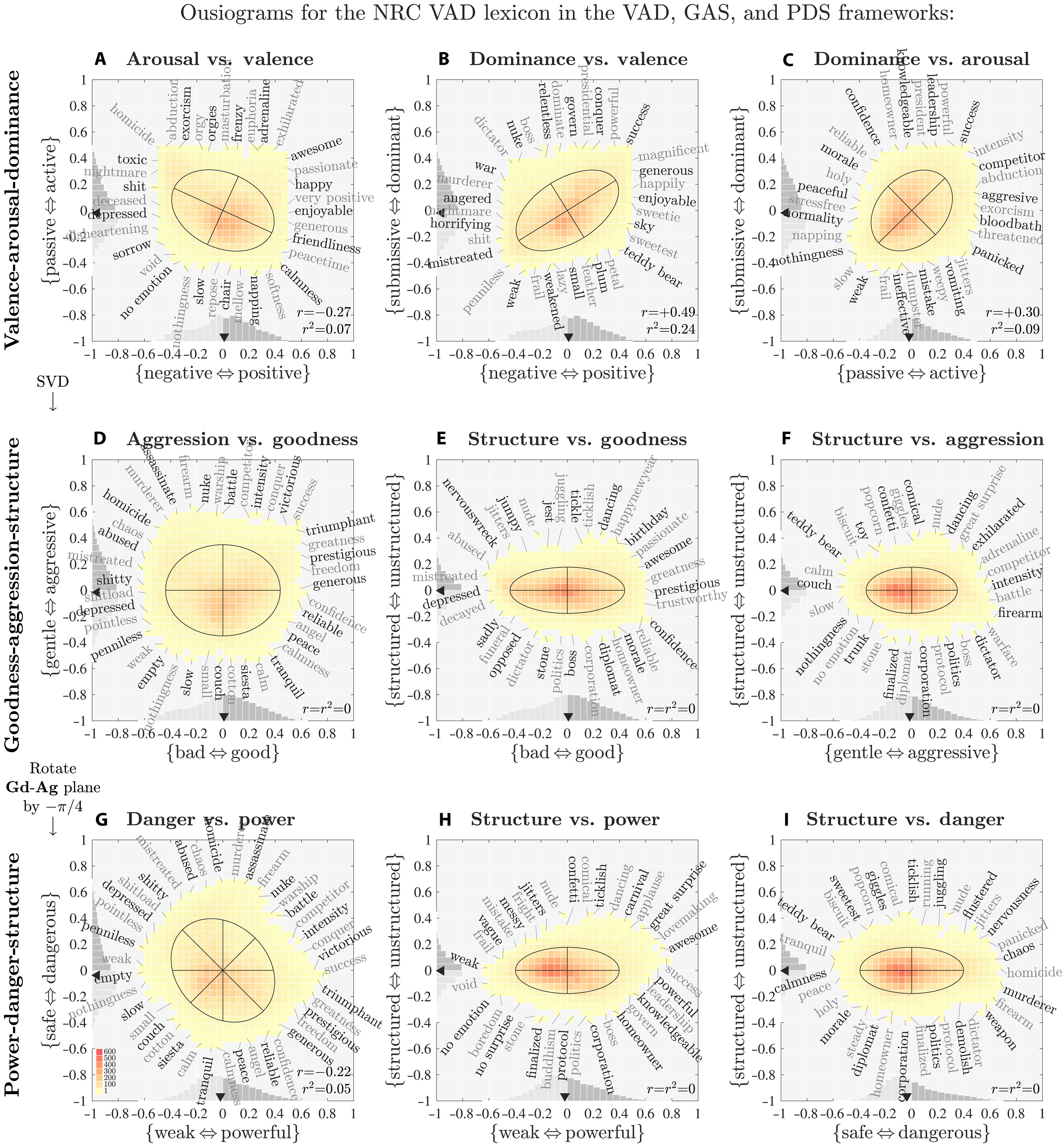
Ousiometrics Analysis Says All Human Language Is Biased

A new tool drawing on billions of uses of more than 20,000 words and diverse real-world texts claims...
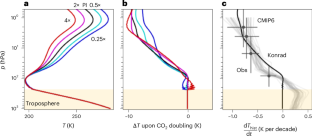
Wavelengths Of Light Are Why CO2 Cools The Upper Atmosphere But Warms Earth

There are concerns about projected warming on the Earth’s surface and in the lower atmosphere...

Here's Where Your Backyard Was 300 Million Years Ago

We may use terms like "grounded" and terra firma to mean stability and consistency but geology...

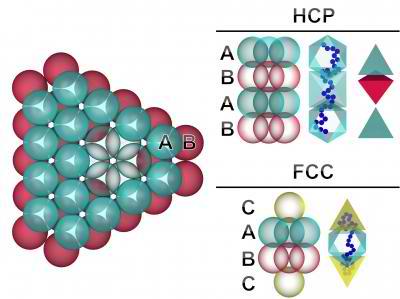
Convergent Evolution Cheat Sheet Now 120 Million Years Old

One tenet of natural selection is a random walk of genes but nature may be more predictable than...

User picture.
News StaffRSS Feed of this column.

News Releases From All Over The World, Right To You... Read More »

Blogroll

Researchers have succeeded in embedding nearly perfect semiconductor crystals into a silicon nanowire. They say the new method of producing hybrid nanowires, very fast and multi-functional processing units, can be accommodated on a single chip in the future. 

Nano-optoelectronics are considered the cornerstone of future chip technology, but the research faces major challenges: on the one hand, electronic components must be accommodated into smaller and smaller spaces. On the other hand, what are known as compound semiconductors are to be embedded into conventional materials. In contrast to silicon, many of such semiconductors with extremely high electron mobility could improve performance of the most modern silicon-based CMOS technology.

Ketamine has been used by emergency departments for analgesia, sedation and amnesia for rapid, life-saving intubation in critically ill patients but decades-old studies suggested it raised intracranial pressure.

 A systematic review of 10 recent studies comparing ketamine to sufentanil, fentanyl and other pharmacological agents (vasopressors, neuromuscular blocking agents, sedatives) found no differences in intracranial and cerebral pressures of patients who had been treated with them.

The planet's soil releases about 60 billion tons of carbon into the atmosphere each year, which is far more than that released by burning fossil fuels.

This soil respiration and the enormous release of carbon is balanced by carbon coming into the soil system from falling leaves and other plant matter, as well as by the underground activities of plant roots. 

Short-term warming studies have documented that rising temperatures increase the rate of soil respiration. As a result, scientists have worried that global warming would accelerate the decomposition of carbon in the soil, and decrease the amount of carbon stored there. If true, this would release even more carbon dioxide into the atmosphere, where it would accelerate global warming.

Where does the solar system end and interstellar space begin? There are no 'Now Leaving...' signs so it's somewhat subjective. If you think the argument over Pluto was confusing, you'll be intrigued that the argument over the solar system takes that to a whole new level.

Two years ago, it was announced that wherever the boundary of the solar system was, Voyager 1 had passed it, traveling further from Earth than any other manmade object. But some scientists insist it is still within the heliosphere – the region of space dominated by the Sun and its wind of energetic particles – and has not yet reached the 'space between the stars'. 

Highly purified crystals that split light with uncanny precision are key parts of high-powered lenses, specialized optics and, potentially, computers that manipulate light instead of electricity. Producing these crystals often involves etching them with a precise beam of electrons and can be difficult and expensive.

Researchers at Princeton and Columbia universities have proposed a new method that could allow scientists to customize and grow these specialized materials, known as photonic crystals, with relative ease. 

The rapid rise in valley fever cases in the arid southwest has become a serious health concern, as human habitation has pushed further into desert areas where the soil spores are widespread. Currently, Valley Fever affects an estimated 150,000 people a year, with most cases occurring in Arizona, California, Nevada, New Mexico and Utah.

The disease has no cure at present and is tricky to diagnose because it is similar to community-acquired pneumonias.