Banner
Ousiometrics Analysis Says All Human Language Is Biased

A new tool drawing on billions of uses of more than 20,000 words and diverse real-world texts claims...

Wavelengths Of Light Are Why CO2 Cools The Upper Atmosphere But Warms Earth

There are concerns about projected warming on the Earth’s surface and in the lower atmosphere...

Here's Where Your Backyard Was 300 Million Years Ago

We may use terms like "grounded" and terra firma to mean stability and consistency but geology...

Convergent Evolution Cheat Sheet Now 120 Million Years Old

One tenet of natural selection is a random walk of genes but nature may be more predictable than...

User picture.
News StaffRSS Feed of this column.

News Releases From All Over The World, Right To You... Read More »

Blogroll

A new study has found that palladium-gold nanoparticles are excellent catalysts for cleaning polluted water - and can even convert biodiesel waste into valuable chemicals.

In dozens of studies, Rice University chemical engineer Michael Wong and colleagues have focused on using the tiny metallic specks to break down carcinogenic and toxic compounds and have now examined whether palladium-gold nanocatalysts could convert glycerol, a waste byproduct of biodiesel production, into high-value chemicals.

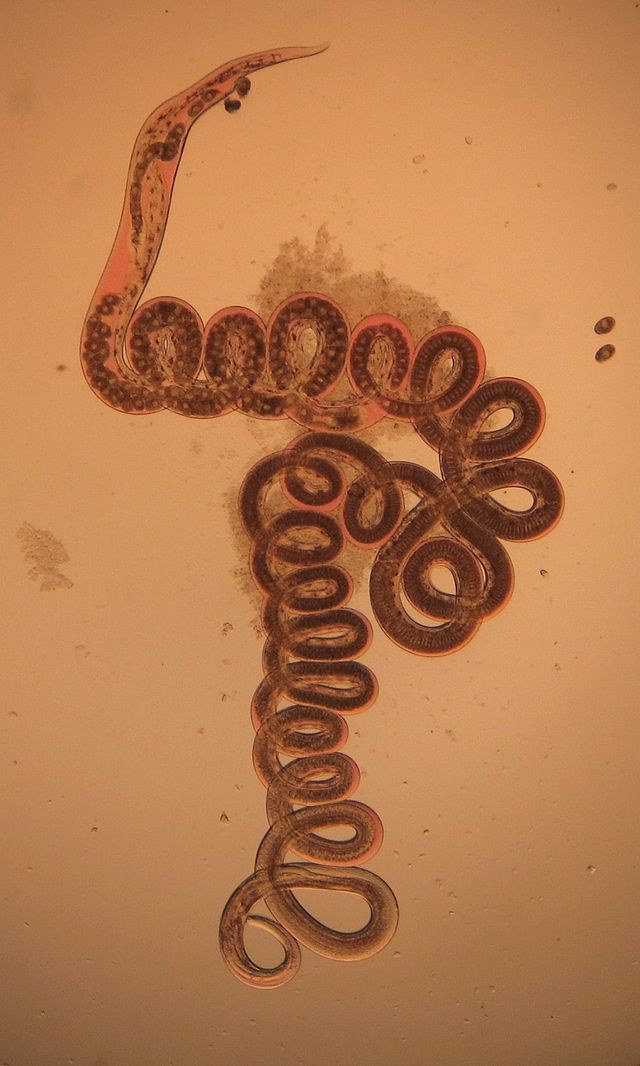
Signals from the immune system that help repel common parasites  like tapeworms, roundworms and other helminths can inadvertently cause a dormant viral infection to become active again, which may explain how complex interactions between infectious agents and the immune system have the potential to affect illness.

The scientists identified specific signals in mice that mobilize the immune system to fight parasites that infect nearly a quarter of all humans. The same signals cause an inactive herpes virus infection in the mice to begin replicating again.

The researchers speculated that the virus might be taking advantage of the host response to the worm infection, multiplying and spreading when the immune system's attention is fixed on fighting the worms.

You wouldn't think that mechanical force, like kicking a ball in the World Cup or embossing letters on a credit card, could process nanoparticles more subtly than the most advanced chemistry but a current paper in Nature Communications describes a now patented method to use simple pressure — a kind of high-tech embossing — to produce finer and cleaner results in forming silver nanostructures than do chemical methods.

All without harmful byproducts to dispose of.

How bad is western music? Chimps in a study published by the Journal of Experimental Psychology: Animal Learning and Cognition preferred silence - yet they liked music from Africa.

And music from India. What is the reason for that?

Music in the east is structured differently, notation is everything from Swara Kalana to Chôngganbo, but African music is not all that different. Why would chimps like it more? It may be tempo. The current findings say this may be the first to show that they display a preference for particular rhythmic patterns. If the authors aren't sure, none of the rest of the world can be.

You can't coddle kids or their brains too much. Without a little bit of frustration and stress, they would never learn how to talk or read or do science. Without some physical stress, we would all be crawling from place to place.

Stress helps us learn, adapt and cope. But too much stress, such as from neglect or abuse, can be toxic. A team of University of Wisconsin-Madison researchers writing in Biological Psychiatry recently showed these kinds of stressors, experienced in early life, might be changing the parts of developing children's brains responsible for learning, memory and the processing of stress and emotion.

Scientists working to make gene therapy a reality say they have figured out how to bypass a blood stem cell's natural defenses and efficiently insert disease-fighting genes into the cell's genome.

The drug rapamycin, which is commonly used to slow cancer growth and prevent organ rejection, enables delivery of a therapeutic dose of genes to blood stem cells while preserving stem cell function. The findings in Blood could lead to more effective and affordable long-term treatments for blood cell disorders in which mutations in the DNA cause abnormal cell functions, such as in leukemia and sickle cell anemia.