Banner
Ousiometrics Analysis Says All Human Language Is Biased

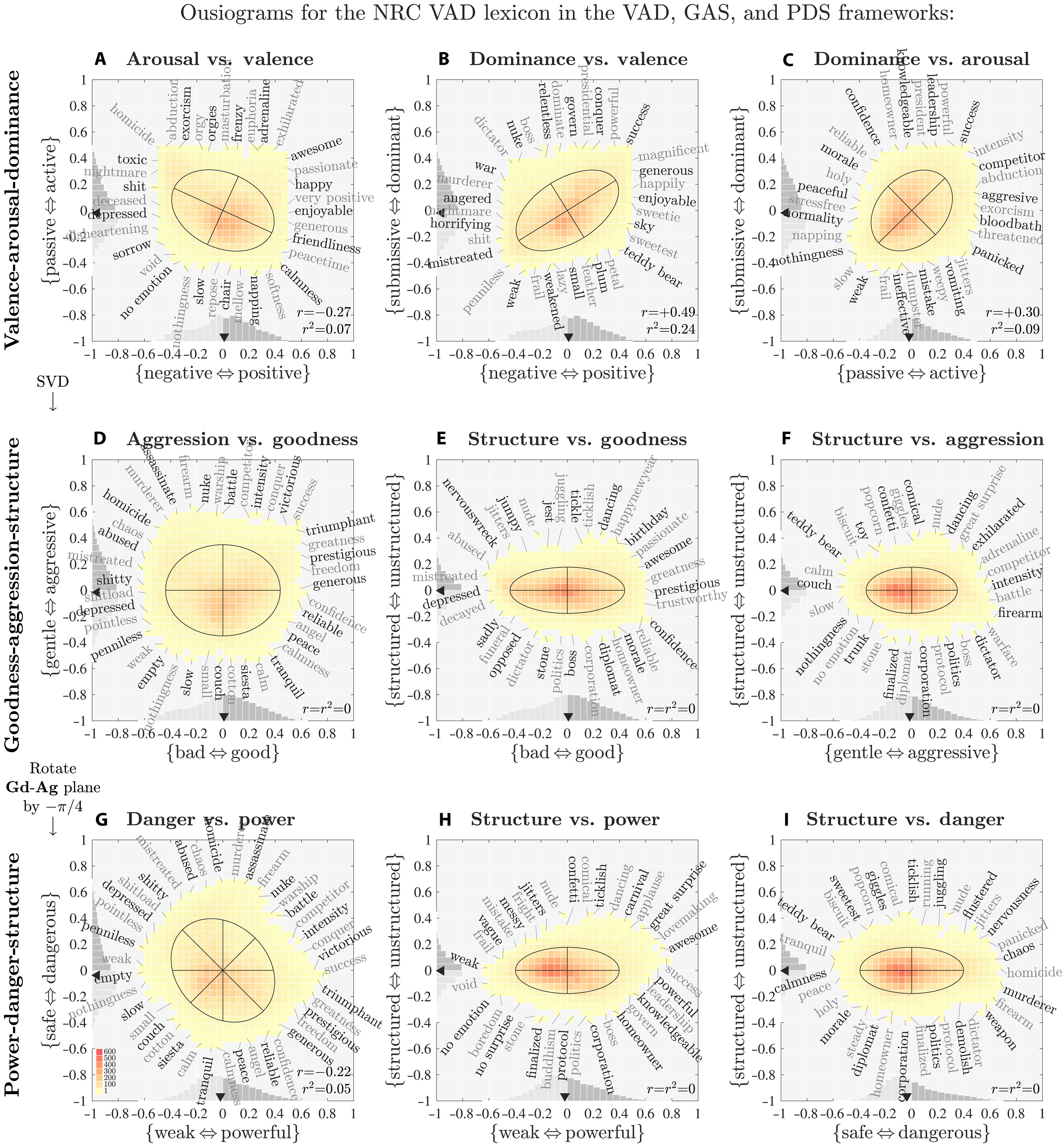
A new tool drawing on billions of uses of more than 20,000 words and diverse real-world texts claims...

Wavelengths Of Light Are Why CO2 Cools The Upper Atmosphere But Warms Earth

There are concerns about projected warming on the Earth’s surface and in the lower atmosphere...

Here's Where Your Backyard Was 300 Million Years Ago

We may use terms like "grounded" and terra firma to mean stability and consistency but geology...

Convergent Evolution Cheat Sheet Now 120 Million Years Old

One tenet of natural selection is a random walk of genes but nature may be more predictable than...

User picture.
News StaffRSS Feed of this column.

News Releases From All Over The World, Right To You... Read More »

Blogroll

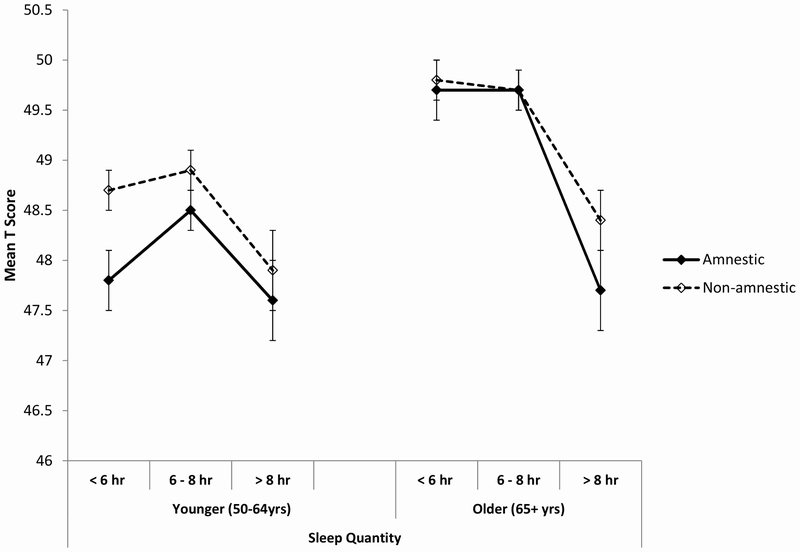
A new paper based on an analysis of sleep and cognitive (brain function) data from 3,968 men and 4,821 women who took part in the English Longitudinal Study of Ageing (ELSA) indicates that sleep problems are associated with worse memory and executive function in older people. 

Respondents reported on the quality and quantity of sleep over the period of a month and the results showed that there is an association between both quality and duration of sleep and brain function which changes with age.

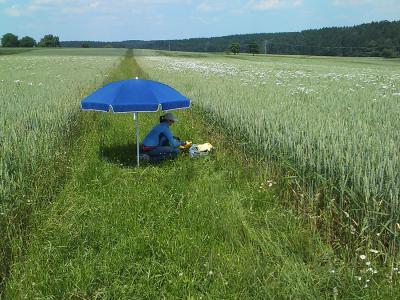
Organic farming boosts biodiversity - at least that is the claim of organic farmers. But it depends. It's a $35 billion business and there are plenty of gigantic organic mega-farms that aren't diverse at all.

In practice, the number of habitats on the land plays an important role alongside the type and intensity of farming practices, according to a study of 10 regions in Europe and two in Africa published in Nature Communications. Organic farms still use plenty of toxic pesticides and more chemical fertilizer than conventional farms but they can support biodiversity when they consciously conservce different habitats on their holdings.

Sorry Malcolm Gladwell, and you positive thinking book buyers at Whole Foods, you are not going to be a world-class sprinter no matter how much you practice unless you were born with exceptional speed.

A new paper by Michael Lombardo, professor of biology at Grand Valley State University, and Robert Deaner, associate professor of psychology, shows that the developmental histories of elite sprinters contradict the popular deliberate practice model of expertise. According to this deliberate model, there is no such thing as innate talent. Instead, 10 years of deliberate practice (roughly 10,000 hours) are necessary and sufficient for anyone to become an expert in any field, including sports.

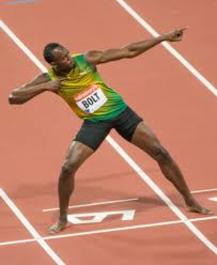
A new study has affirmed what most of us knew - practice makes perfect, but only if you have some ability. In the nature versus nurture debate, Usain Bolt is still going to run faster than most people no matter how much they practice.

And that goes for musicians too. An analysis of 850 sets of twins leads Zach Hambrick, a Michigan State University professor of psychology, to say both genes and environment matter, "Not only in the sense that both nature and nurture contribute, but that they interact with each other.

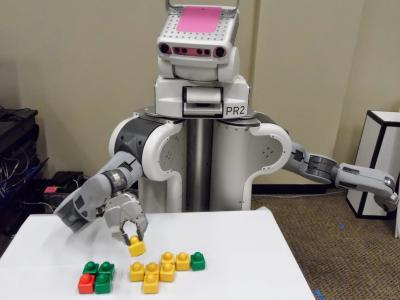
Want to teach a robot to tend the garden? It will go faster if you let the crowd help. University of Washington computer scientists at the 2014 Institute of Electrical and Electronics Engineers International Conference on Robotics and Automation in Hong Kong showed that crowdsourcing can be a quick and effective way to teach a robot how to complete tasks

Learning by imitating a human is a proven approach to teach a robot to perform tasks, but it can take a lot of time. Imagine having to teach a robot how to load the dishwasher – it might take many repetitious lessons for the robot to learn how to hold different types of cookware and cutlery and how to most efficiently fill the machine.

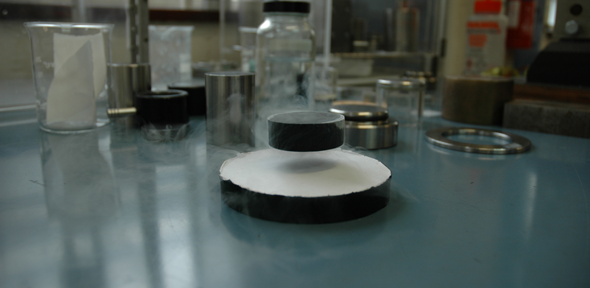
By trapping a magnetic field with a strength of 17.6 Tesla, roughly 100 times stronger than the field generated by a typical fridge magnet, in a high temperature gadolinium barium copper oxide (GdBaCuO) superconductor, researchers not only beat the previous record by 0.4 Tesla, they harnessed  the equivalent of three tons of force inside a golf ball-sized sample of material that is normally as brittle as fine china.