
Banner
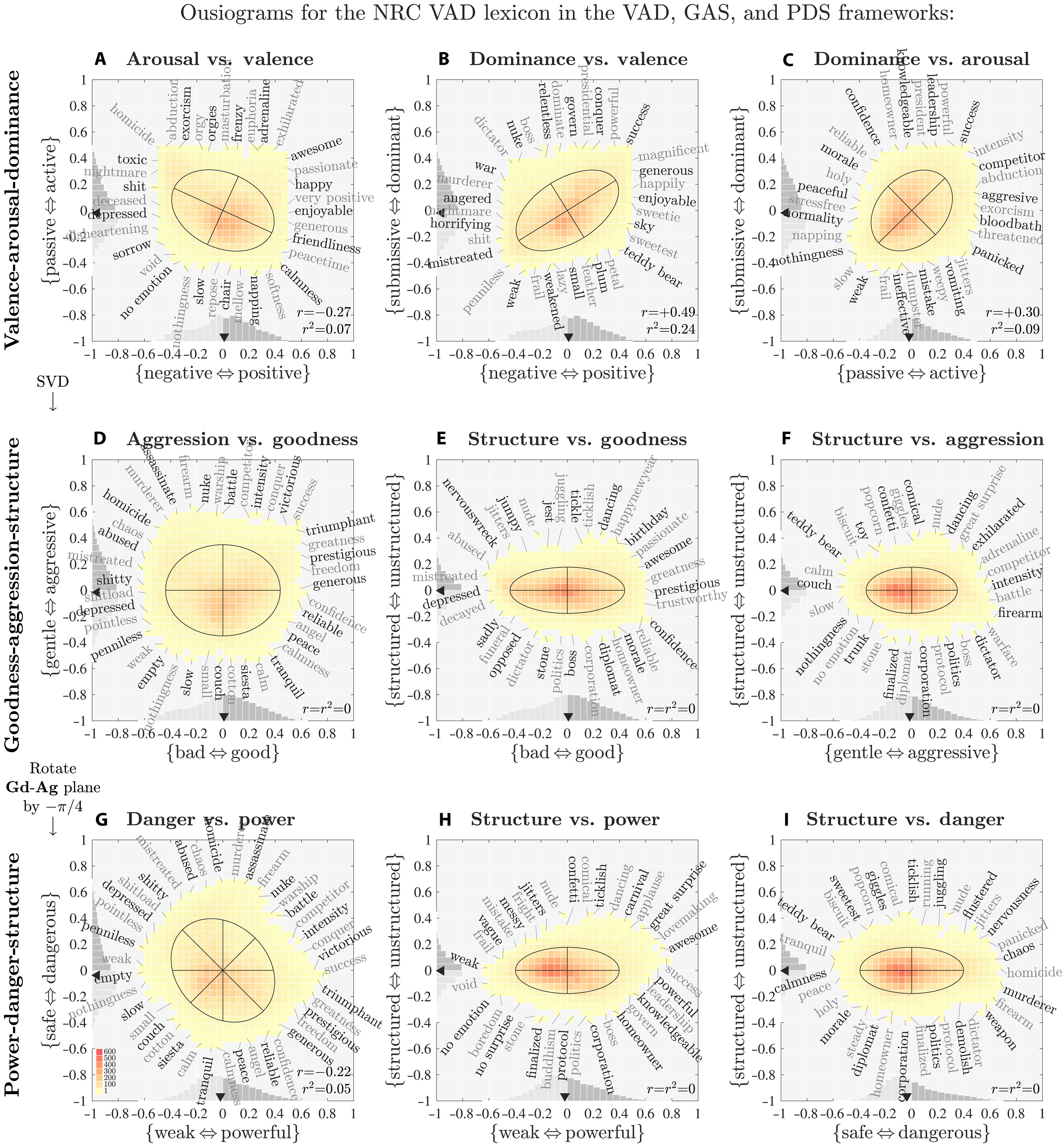
Ousiometrics Analysis Says All Human Language Is Biased

A new tool drawing on billions of uses of more than 20,000 words and diverse real-world texts claims...

Wavelengths Of Light Are Why CO2 Cools The Upper Atmosphere But Warms Earth

There are concerns about projected warming on the Earth’s surface and in the lower atmosphere...

Here's Where Your Backyard Was 300 Million Years Ago

We may use terms like "grounded" and terra firma to mean stability and consistency but geology...

Convergent Evolution Cheat Sheet Now 120 Million Years Old

One tenet of natural selection is a random walk of genes but nature may be more predictable than...

User picture.
News StaffRSS Feed of this column.

News Releases From All Over The World, Right To You... Read More »

Blogroll

When South America split from Africa 150 to 120 million years ago, the South Atlantic formed and separated Brazil from Angola. The continental margins formed through this separation are surprisingly different. Along offshore Angola 200 km wide, very thin slivers of continental crust have been detected, whereas the Brazilian counterpart margin features an abrupt transition between continental and oceanic crust.

Shenzhen, June 5, 2014--- The latest study, led by scientists from Kunming Institute of Zoology, Chinese Academy of Sciences, BGI and other institutes, presents a high-quality sheep genome and reveals genomic and transcriptomic events that may be associated with rumen evolution and lipid metabolism that have relevance to both diet and wool. The work was published online today in Science.

(Garrison, NY) Many of the legal and ethical options for refusing unwanted interventions are not available to people with dementia because they lack decision-making capacity. But one way for these people to ensure that they do not live for years with severe dementia is to use an advance directive to instruct caregivers to stop giving them food and water by mouth. This is an ethical and legal gray area explored in commentaries and a case study in the Hastings Center Report.

People with decision-making capacity have the legal right to refuse treatment of any kind and to voluntarily stop eating and drinking.

A molecular pathway called mTORC1 controls the conversion of unhealthy white fat into beige fat, an appealing target for increasing energy expenditure and reducing obesity, according to a new study. The team also found that a protein, Grb10, serves as the on-off switch for mTORC1 signaling and the "beigeing" of fat.

Phytoplankton are tiny, photosynthetic organisms and essential to life on Earth, supplying us with roughly half the oxygen we breathe.

Phytoplankton have their own requirements to carry out critical cellular activity
- the element phosphorus. But in some parts of the world's ocean, P is in limited supply. How do phytoplankton survive when phosphorus is difficult to find?

Why, as we age, are we more vulnerable to cancer? 

You don't think of Lawrence Berkeley National Laboratory - one of the atomic bomb testing facilities - when you think of breast cancer research, but they know cell mutations.

A new paper in Cell Reports by LBL researchers found that, as women age, the cells responsible for maintaining healthy breast tissue stop responding to their immediate surroundings, including mechanical cues that should prompt them to suppress nearby tumors. The disease is most frequently diagnosed among women aged 55 to 64, according to the National Cancer Institute.




