
Banner
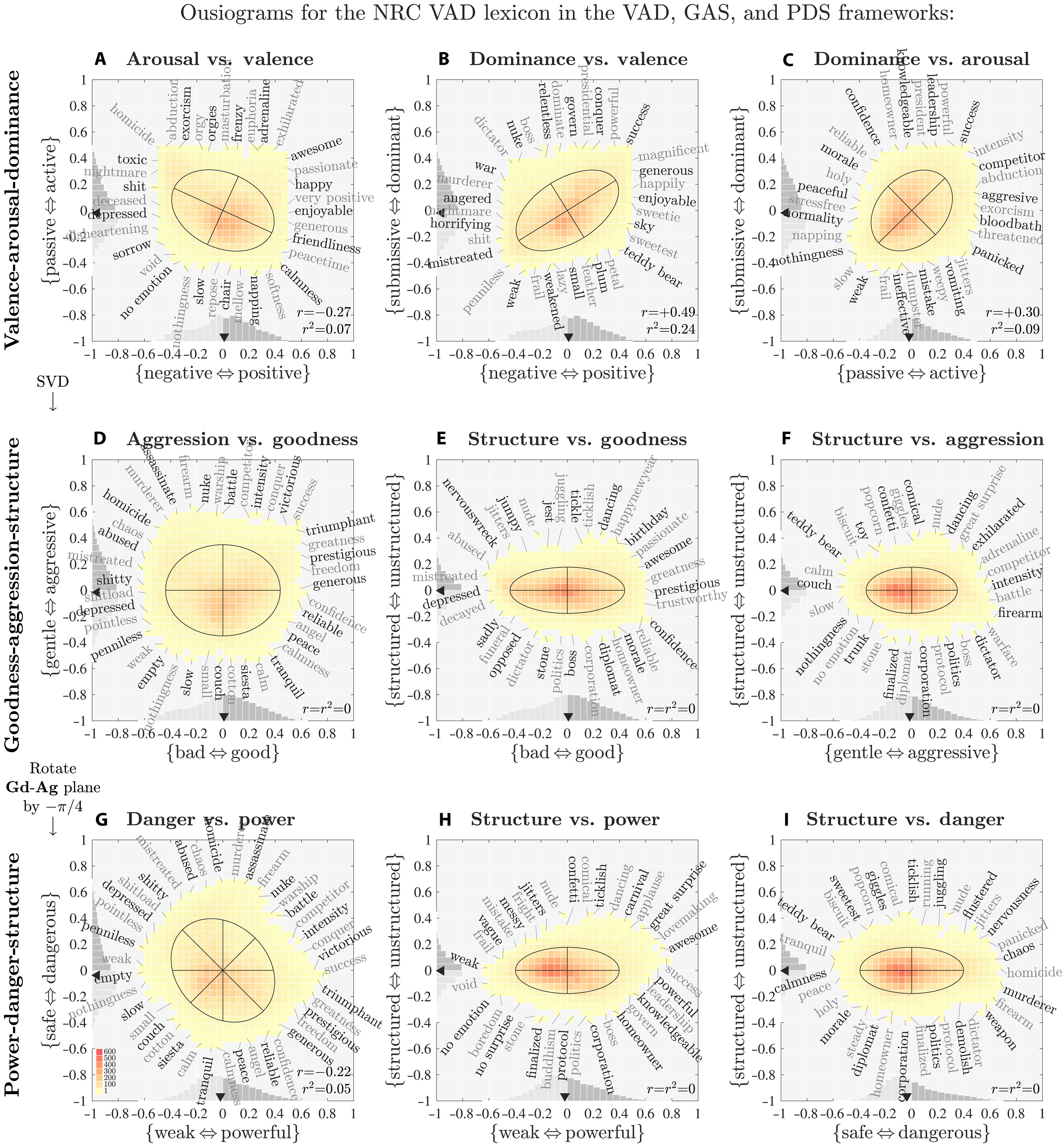
Ousiometrics Analysis Says All Human Language Is Biased

A new tool drawing on billions of uses of more than 20,000 words and diverse real-world texts claims...
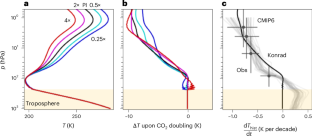
Wavelengths Of Light Are Why CO2 Cools The Upper Atmosphere But Warms Earth

There are concerns about projected warming on the Earth’s surface and in the lower atmosphere...

Here's Where Your Backyard Was 300 Million Years Ago

We may use terms like "grounded" and terra firma to mean stability and consistency but geology...

Convergent Evolution Cheat Sheet Now 120 Million Years Old

One tenet of natural selection is a random walk of genes but nature may be more predictable than...

User picture.
News StaffRSS Feed of this column.

News Releases From All Over The World, Right To You... Read More »

Blogroll

Lincoln, Neb., May 14, 2014 – A chimpanzee will wait more than two minutes to eat six grapes, but a black lemur would rather eat two grapes now than wait any longer than 15 seconds for a bigger serving.

It's an echo of the dilemma human beings face with a long line at a posh restaurant. How long are they willing to wait for the five-star meal? Or do they head to a greasy spoon to eat sooner?

A paper published today in the scientific journal Proceedings of the Royal Society B explores the evolutionary reasons why some primate species wait for a bigger reward, while others are more likely to grab what they can get immediately.

PHILADELPHIA - Stimulation of a certain population of neurons within the brain can alter the learning process, according to a team of neuroscientists and neurosurgeons at the University of Pennsylvania. A report in the Journal of Neuroscience describes for the first time that human learning can be modified by stimulation of dopamine-containing neurons in a deep brain structure known as the substantia nigra. Researchers suggest that the stimulation may have altered learning by biasing individuals to repeat physical actions that resulted in reward.

LA JOLLA—Using new stem cell technology, scientists at the Salk Institute have shown that neurons generated from the skin cells of people with schizophrenia behave strangely in early developmental stages, providing a hint as to ways to detect and potentially treat the disease early.

The findings of the study, published online in April's Molecular Psychiatry, support the theory that the neurological dysfunction that eventually causes schizophrenia may begin in the brains of babies still in the womb.

COLUMBUS, Ohio – Depression in preschool teachers is associated with behavioral problems ranging from aggression to sadness in children under the teachers' care, new research suggests.

The study identified one contributing factor to this link: a poor-quality atmosphere in the child care setting that exists as a result of the teacher's depressive symptoms. In this study, "teacher" refers to both classroom instructors and in-home child care providers.

Researchers conducted the study using data from a large national study that collected family information primarily from low-income, single-mother households.

Much like using dimmer switches to brighten or darken rooms, biochemists have identified a protein called CFIm25  that can be used to slow down or speed up the growth of brain tumors in mice. 

Seabirds, marine mammals, seabed animals and other fish actually love human fishermen - because they throw back unwanted fish and that means free food with less work.

New rules have been put in place by the European Union's Common Fisheries Policy (CFP) bans throwing unwanted fish caught at sea back into the sea –  it forces vessels to haul fish to land anyway, which is a waste of time and money. The new CFP took effect on 1 January 2014 and will phase out the discarding of fish entirely by 2019.



