
Banner
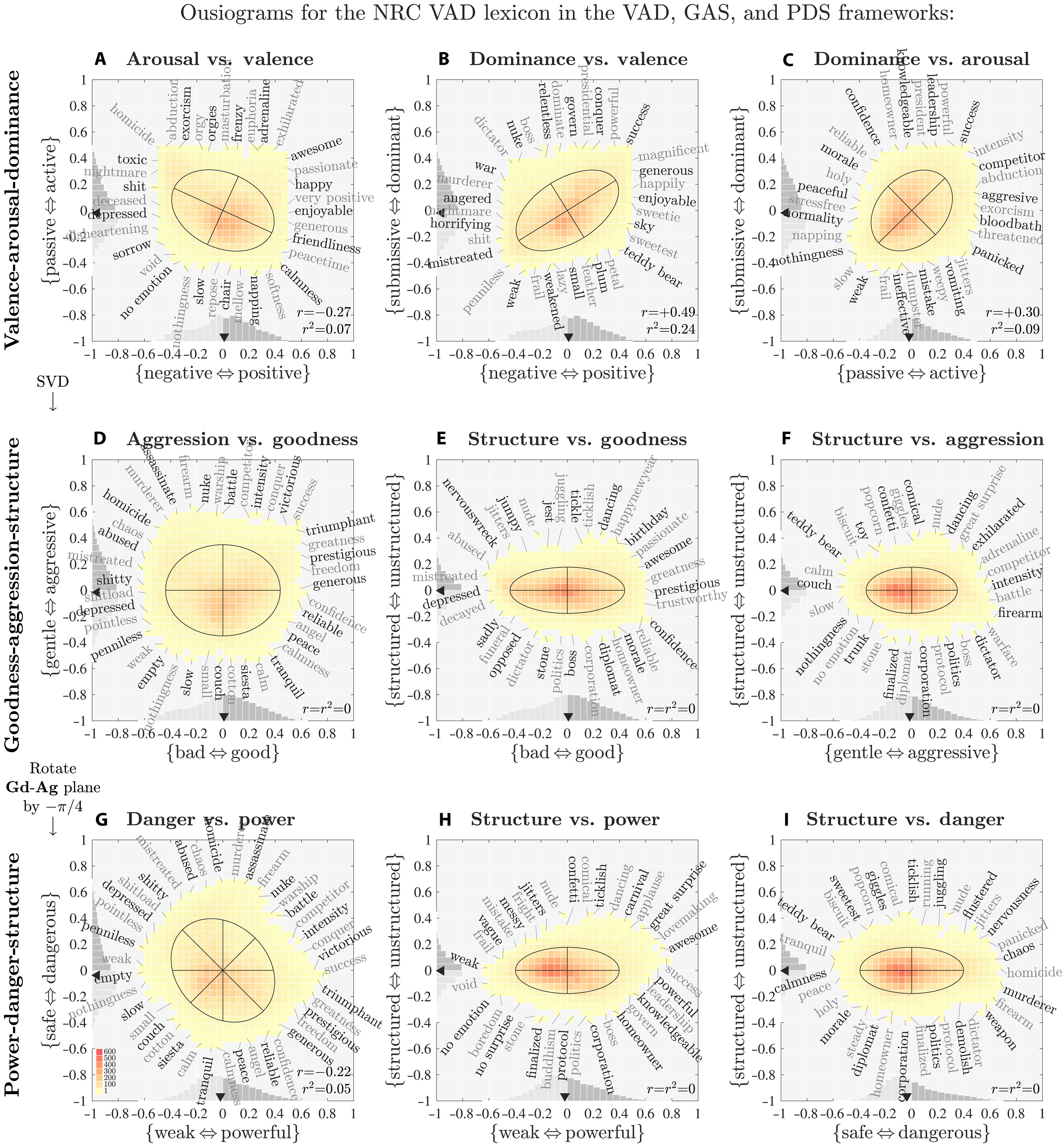
Ousiometrics Analysis Says All Human Language Is Biased

A new tool drawing on billions of uses of more than 20,000 words and diverse real-world texts claims...
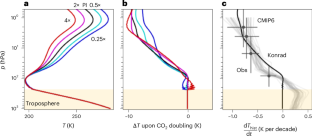
Wavelengths Of Light Are Why CO2 Cools The Upper Atmosphere But Warms Earth

There are concerns about projected warming on the Earth’s surface and in the lower atmosphere...

Here's Where Your Backyard Was 300 Million Years Ago

We may use terms like "grounded" and terra firma to mean stability and consistency but geology...

Convergent Evolution Cheat Sheet Now 120 Million Years Old

One tenet of natural selection is a random walk of genes but nature may be more predictable than...

User picture.
News StaffRSS Feed of this column.

News Releases From All Over The World, Right To You... Read More »

Blogroll

Synchrotron-imaging techniques have shed new light, literally, on the healing process that took place when dinosaurs were still alive. 

They examined the cracks, fractures and breaks in the bones of a 150 million-year-old predatory dinosaur - possible because dinosaur bones occasionally preserve evidence of trauma, sickness and the subsequent signs of healing.

Diagnosis of such fossils used to rely on the grizzly inspection of gnarled bones and healed fractures, often entailing slicing through a fossil to reveal its cloying secrets. But the synchrotron-based imaging, which uses light brighter than 10 billion Suns, meant the team could tease out the chemical ghosts lurking within the preserved dinosaur bones.

Yellow fever, an acute viral disease, is estimated to have been responsible for 78,000 deaths in Africa in 2013 according to new research published in PLOS Medicine this week. The research by Neil Ferguson from Imperial College London, UK and colleagues from Imperial College, WHO and other institutions also estimates that recent mass vaccination campaigns against yellow fever have led to a 27% decrease in the burden of yellow fever across Africa in 2013.

A newly discovered "hypervelocity star" is the closest, second-brightest and among the largest found so far. It is speeding at more than 1 million mph and may provide clues about the supermassive black hole at the center of our Milky Way. Also, add in the obligatory "dark matter" reference.

Hypervelocity stars appear to be remaining pairs of binary stars that once orbited each other and got too close to the supermassive black hole at the galaxy's center. Intense gravity from the black hole – which has the mass of 4 million stars like our sun – captures one star so it orbits the hole closely, and slingshots the other on a trajectory headed beyond the galaxy.

Synthetic Genomics announceda multi-year research and development agreement with Lung Biotechnology to develop humanized pig organs using synthetic genomic advances. The collaboration will focus upon developing organs for human patients in need of transplantation, with an initial focus on lung diseases. 

In the United States alone, about 400,000 people die annually from various forms of lung disease including cancer. 2,000 people are saved with a lung transplant and about the same number are added to the transplant wait list annually. 99% of deaths due to lung failure are unavoidable because of the shortage of transplantable human lungs.
The esophagus carries food and liquid from the mouth to the stomach. There are two main types of esophageal cancer: adenocarcinoma and squamous cell carcinoma. The most common form of the disease in the U.S. is adenocarcinoma and is most prevalent in Caucasian men between the ages of 50 and 70.

Adenocarcinoma, which is one of the fastest growing cancers in the country, has also been linked to obesity – perhaps related to chronic exposure to stomach acid. According to the National Cancer Institute, about 18,000 Americans were diagnosed with esophageal cancer in 2013.
A paper by The Environmental Justice and Health Alliance (EJHA), Center for Effective Government (CEG) and Coming Clean, links higher poverty to many Black and Latino communities living within chemical disaster "vulnerability zones" and say the risk of danger is much greater for those communities than for the U.S. as a whole - the very definition of disproportionate danger.



