
Banner
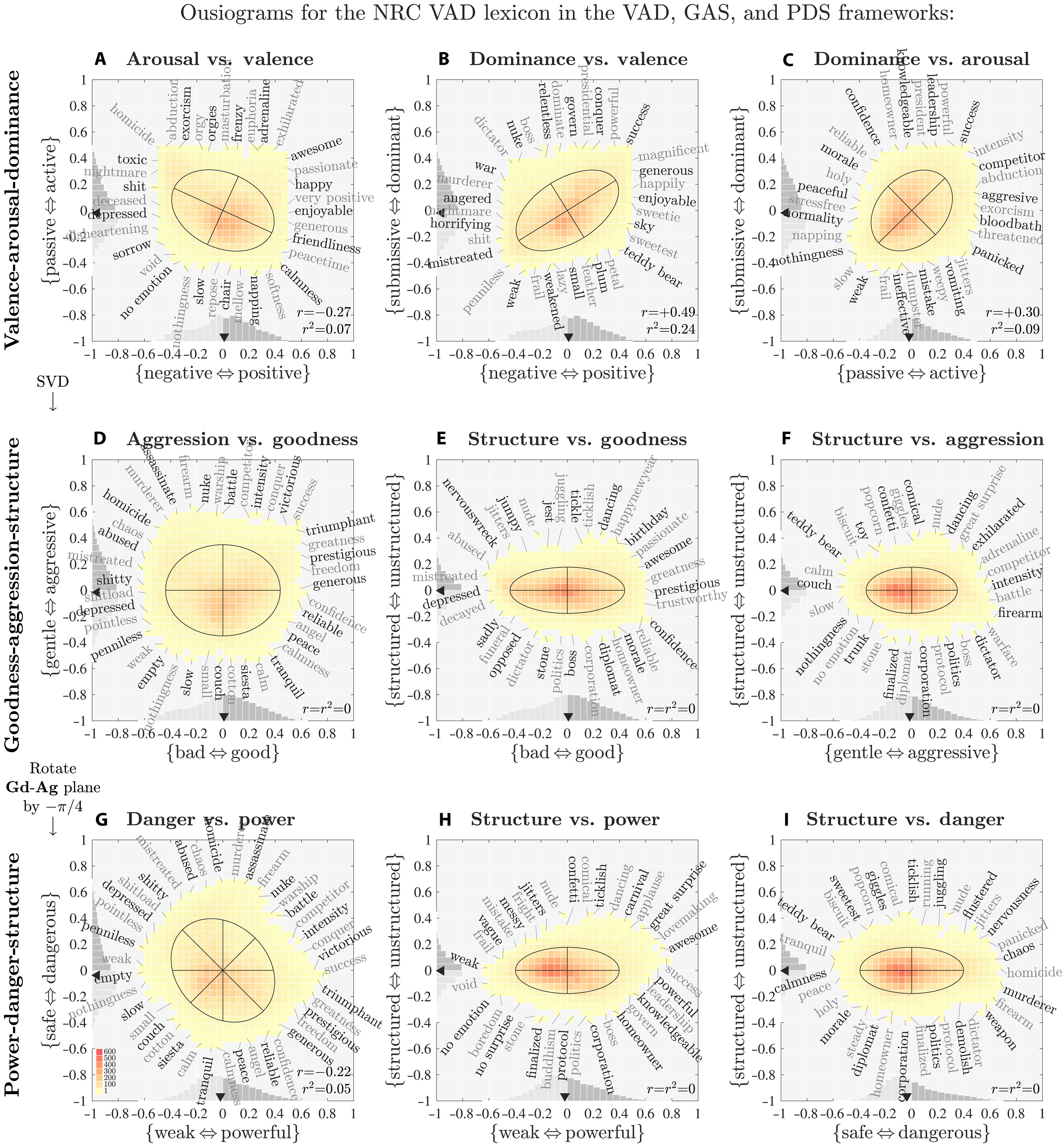
Ousiometrics Analysis Says All Human Language Is Biased

A new tool drawing on billions of uses of more than 20,000 words and diverse real-world texts claims...
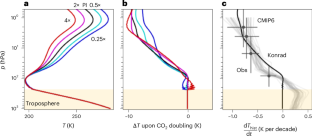
Wavelengths Of Light Are Why CO2 Cools The Upper Atmosphere But Warms Earth

There are concerns about projected warming on the Earth’s surface and in the lower atmosphere...

Here's Where Your Backyard Was 300 Million Years Ago

We may use terms like "grounded" and terra firma to mean stability and consistency but geology...

Convergent Evolution Cheat Sheet Now 120 Million Years Old

One tenet of natural selection is a random walk of genes but nature may be more predictable than...

User picture.
News StaffRSS Feed of this column.

News Releases From All Over The World, Right To You... Read More »

Blogroll

New research published in Diabetologia (the journal of the European Association for the Study of Diabetes) shows that increasing coffee consumption by on average one and half cups per day (approx 360ml) over a four-year period reduces the risk of type 2 diabetes by 11%. The research is led by Dr Frank Hu and Dr Shilpa Bhupathiraju, Department of Nutrition, Harvard School of Public Health, Harvard University, Boston, MA, USA, and colleagues.

Researchers from Queen Mary University of London have found genetic evidence that one of Britain's native tree species, the dwarf birch found in the Scottish Highlands, was once common in England.

Genes from dwarf birch were found in birch tree populations across Britain, which reflects a much wider distribution occupied by the "wee tree" when the British climate was colder.

"We seem to have found genetic footprints of the retreat of dwarf birch into its current refuges in the Scottish Highlands," said Dr Richard Buggs, Senior Lecturer at Queen Mary's School of Biological and Chemical Sciences, who led the research.

Have you ever accidently missed a red light or a stop sign? Or have you heard someone mention a visible event that you passed by but totally missed seeing?

"When we have different things competing for our attention, we can only be aware of so much of what we see," said Kyle Mathewson, Beckman Institute Postdoctoral Fellow at the University of Illinois. "For example, when you're driving, you might really be concentrating on obeying traffic signals."

But say there's an unexpected event: an emergency vehicle, a pedestrian, or an animal running into the road—will you actually see the unexpected, or will you be so focused on your initial task that you don't notice?

It's broadly understood that the world's oceans play a crucial role in the global-scale cycling and exchange of carbon between Earth's ecosystems and atmosphere. Now scientists at Scripps Institution of Oceanography at UC San Diego have taken a leap forward in understanding the microscopic underpinnings of these processes.

A new paper out today says that increased levels of carbon dioxide in the atmosphere cause soil microbes to produce more carbon dioxide, accelerating climate change.

Two Northern Arizona University researchers led the study, which challenges previous understanding about how carbon accumulates in soil. Increased levels of CO2 accelerate plant growth, which causes more absorption of CO2 through photosynthesis.

Until now, the accepted belief was that carbon is then stored in wood and soil for a long time, slowing climate change. Yet this new research suggests that the extra carbon provides fuel to microorganisms in the soil whose byproducts (such as CO2) are released into the atmosphere, contributing to climate change.

If Facebook were around 1,400 years ago, the ancient Maya might have been big fans of the virtual self.

The Maya believed that part of your identity could inhabit material objects, like a courtier's mirror or sculptor's carving tool. Maya might even name these objects, talk to them or take them to special events. They considered these items to be alive.

The practice of sharing your identity with material possessions might seem unusual in a modern context.

But is it that different from today's selfie-snapping, candy-crushing online culture, where social media profiles can be as important to a person's identity as his or her real-world interactions? Even money is virtual now, as digital currency such as Bitcoin gains popularity.




