

Banner
Synchrotron Could Shed Light On Exotic Dark Photons

There are many hypothetical particles proposed to explain dark matter and one idea to explore how...

The Pain Scale Is Broken But This May Fix It

Chronic pain is reported by over 20 percent of the global population but there is no scientific...
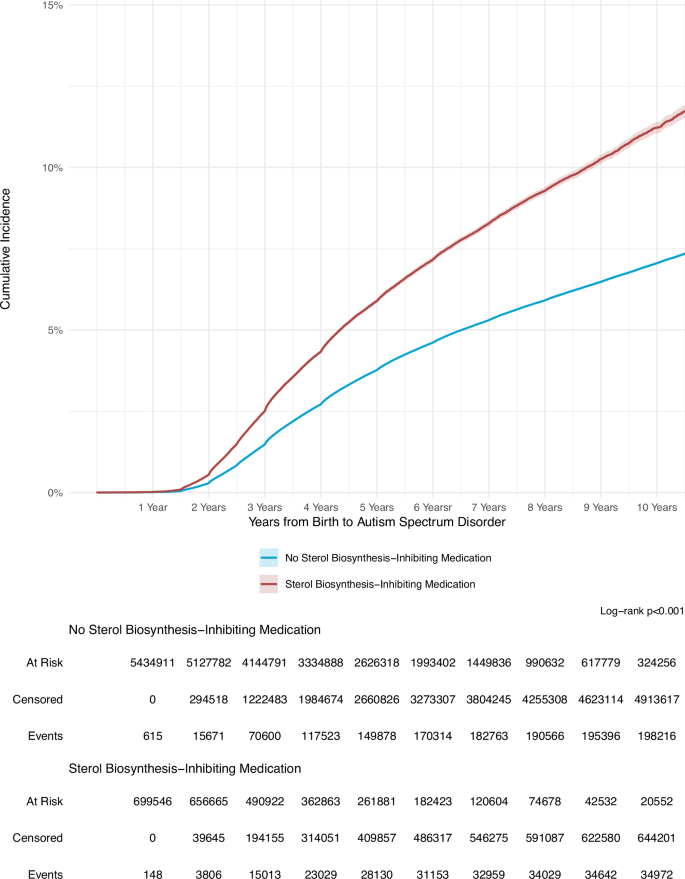
Study Links Antidepressants, Beta-blockers and Statins To Increased Autism Risk

An analysis of 6.14 million maternal-child health records  has linked prescription medications...

Pilot Study: Fibromyalgia Fatigue Improved By TENS Therapy

Fibromyalgia is the term for a poorly-understood condition where people experience pain and fatigue...

User picture.
News StaffRSS Feed of this column.

News Releases From All Over The World, Right To You... Read More »

Blogroll

In 2010, a research team garnered attention when it published evidence of finding the first animals living in permanently anoxic conditions at the bottom of the sea. But a new study, led by scientists at the Woods Hole Oceanographic Institution (WHOI), raises doubts.

One alternative scenario is that cadavers of multicellular organisms were inhabited by bacteria capable of living in anoxic conditions, and these "bodysnatchers" made it seem that the dead animals were living, said Joan Bernhard, a geobiologist with WHOI and the lead author of the new study published in the December 2015 issue of the scientific journal BMC Biology.

Political journalists will file countless reports from Iowa in the final days leading up to the caucuses, much of based on polls.

Another poll, this one by the Iowa State University/WHO-HD Iowa Caucus Poll, finds that voters rely on a variety of these reports and national television news still leads. 

The Director of the Centers for Disease Control recently highlighted a campaign to convince up to 86 million Americans that they have pre-diabetes, a condition that doesn't even exist. Meanwhile, the Obama administration is concerned that health care costs under the Affordable Care Act have skyrocketed and millennials are opting to pay the penalty rather than get the health care, which could be twice as expensive. 

The Molecular Microbiology Research Group in the UAB's Department of Genetics and Microbiology describes for the first time, in a work published in PLOSone, a model of behaviour of a bacterial colony that shows how the colony protects itself against toxic substances, like antibiotics, during the colonisation process.

The researchers have determined that alteration of the equilibrium between two proteins of Salmonella enterica in the presence of antibiotics leads to the disorganisation of the structures that allow the population to spread, which in turn stops the progress of the cells in the bacterial colony that are nearest to harmful concentrations of antibiotic, while the rest spread into areas with lower concentrations.

Aging is one of the most mysterious processes in biology. We don't know, scientifically speaking, what exactly it is. We do know for sure when it ends, but to make matters even more inscrutable, the timing of death is determined by factors that are in many cases statistically random.

Researchers in the lab of Walter Fontana, Harvard Medical School professor of systems biology, have found patterns in this randomness that provide clues into the biological basis of aging.

Removal of a gene protected mice against arterial disease, and they stayed lean even when they ate more. The phenomenon underlying this beneficial phenotype is more active brown adipose tissue.

Scientists from Finland developed a mouse model which did not gain weight or develop hardening of arteries, even when they were fed a high-fat diet. The study was published by Science Translational Medicine.


