


A California Democrat believes he can curb diabetes by requiring warning labels on sodas and energy drinks.

Warning labels are not new to Californians. Ever since Proposition 65 required the ubiquitous 'may cause cancer' signage in virtually every business, lawyers and the politicians they lobby have been seeking to duplicate it for their pet causes. 
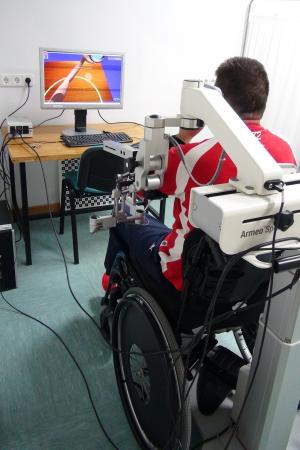
People who suffer motor disability may soon get a high-technology boost from neurorobotics, neuroprosthetics and virtual reality.

The HYPER research project, with a budget of 5 million euros and the participation of the IK4 R&D Alliance under the coordination of the Spanish National Scientific Research Council (CSIC), has been running since 2010 and has led to the development of systems that facilitate new rehabilitation therapies and ways to compensate for gait in patients who have had spinal cord injuries or cerebral strokes.

Various prototypes have been developed and one of them is undergoing a preliminary clinical validation process with 10 patients with spinal cord injuries at the National Hospital for Paraplegics in Toledo.
High-powered microwave devices are designed to transfer energy to targets via ultra-high-frequency radio waves, in civil applications, such as radar and communication systems, heating and current drive of plasmas in fusion devices, and acceleration in high-energy linear colliders.

They can also be used for military purpose in directed-energy weapons or missile guidance systems. 

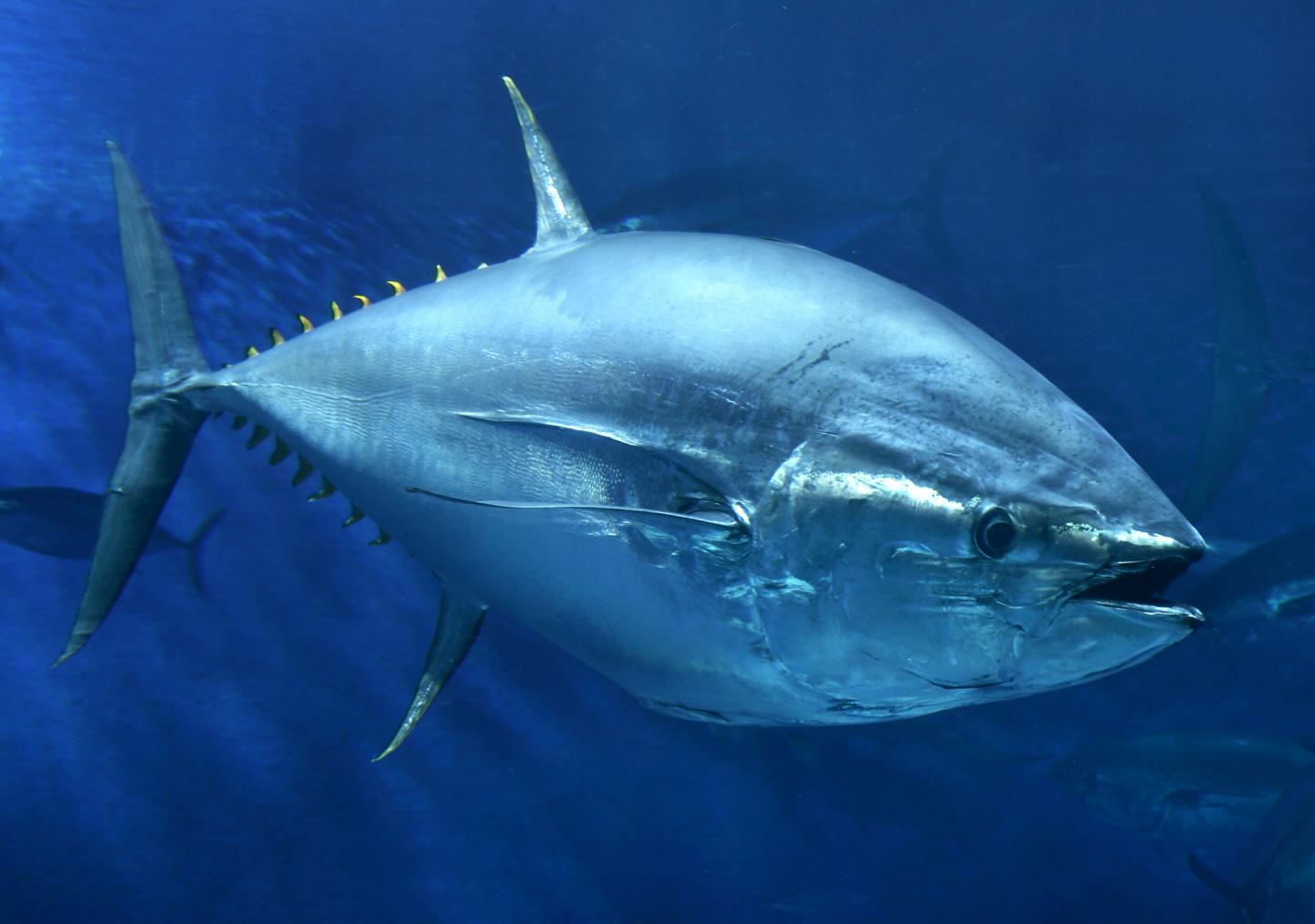
Scientists have discovered how prized bluefin tuna keep their hearts pumping during temperature changes that would stop a human heart. The research helps to answer important questions about how animals react to rapid temperature changes, knowledge that's becoming more essential as the earth warms.

Pacific bluefin tuna are top predators renowned for their epic migrations across the Pacific Ocean. They are also unique amongst bony fish as they are warm bodied (endothermic) and are capable of elevating their core body temperature up to 20°C above that of the surrounding water. They are also capable of diving down below 1000 m into much colder water which affects the temperature of their heart.

Applying lessons learned from autism to brain cancer, researchers at The Johns Hopkins University have discovered why elevated levels of the protein NHE9 add to the lethality of the most common and aggressive form of brain cancer, glioblastoma. Their discovery suggests that drugs designed to target NHE9 could help to successfully fight the deadly disease.

"My laboratory's research on cargo transport inside the cells of patients with autism has led to a new strategy for treating a deadly brain cancer," says Rajini Rao, Ph.D., a professor of physiology at the Johns Hopkins University School of Medicine. "This is a great example of the unexpected good that can come from going wherever the science takes us."

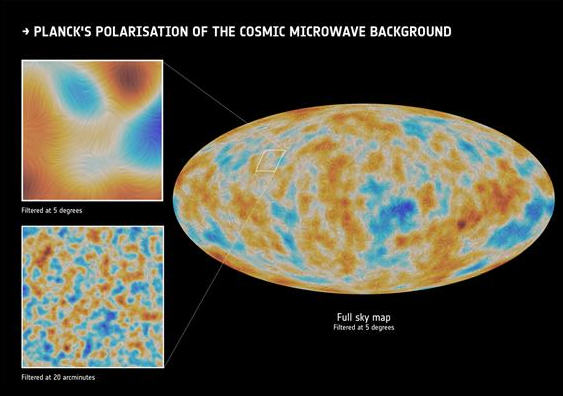
The Planck collaboration has released data from four years of observation by the European Space Agency (ESA)'s Planck spacecraft. The aim of the Planck mission is to study the Cosmic Microwave Background, the light left over from the Big Bang.

The measurements, taken in nine frequency bands, were used to map not only the temperature of the radiation but also its polarization - a property of light like color or direction of propagation - which provides additional information about the very early Universe, around 380,000 years old, and our Galaxy's magnetic field. 

Like most things, age is the biggest risk factor for complications in pregnancy. When the expectant mother is over 35,  the risks associated with overweight, smoking, gestational diabetes and pre-eclampsia also become higher, according to a register-based analysis from the University of Eastern Finland.

Advanced maternal age has been a growing trend over the past few decades. In Finland, the authors note, 20 percent of mothers in 2013 were over 35 years old. Fertility drugs and IVF have made motherhood possible at almost any age and increased popularity of 'egg freezing' is likely to increase the numbers - but there are some risks that increase after the age of 35 and have nothing to do with the embryos themselves.

Scientists at the University of California, Berkeley, have found the mechanism by which titanium, prized for its high strength-to-weight ratio and natural resistance to corrosion, becomes brittle with just a few extra atoms of oxygen.

The discovery in Science has the potential to open the door to more practical, cost-effective uses of titanium in a broader range of applications. The popular silver-gray metal can already be found in high-end bicycles, laptops and human implants, among other products. But high-grade titanium with low levels of oxygen is hard to come by, and the expense of purifying the metal has prevented its wider use in applications for the construction, automotive and aerospace industries.

The microbes that call the New York City subway system home are mostly harmless, but include samples of disease-causing bacteria that are resistant to drugs -- and even DNA fragments associated with anthrax and Bubonic plague -- according to a citywide microbiome map published today by Weill Cornell Medical College investigators.

Middle-school children who consume heavily sweetened energy drinks are 66% more likely to be at risk for hyperactivity and inattention symptoms, a new study led by the Yale School of Public Health has found.

The finding has implications for school success and lends support to existing recommendations to limit the amount of sweetened beverages schoolchildren drink. The authors also recommend that children avoid energy drinks, which in addition to high levels of sugar also often contain caffeine. The study is published in the journal Academic Pediatrics.


