This content of this blog is adapted from my lecture on Cognitive Bias in Decision Making, for
the module Cognition and Emotion. I
present this lecture to third year Psychology students at the University of Roehampton, London.
The Structure of an Argument
How to sort good information from bad!
This evening I am blogging from a residence in Sesto val Pusteria, a beautiful mountain village in the Italian Alps. I came here for a few days of rest after a crazy work schedule in the past few days -the reason why my blogging has been intermittent. Sesto is surrounded by glorious mountains, and hiking around here is marvelous. But right now, as I sip a non-alcoholic beer (pretty good), chilling off after a day out, my thoughts are focused 500,000,000 kilometers away.
Since cancer tumors are thought to depend on large amounts of glutamine to achieve rapid growth, some have speculated that glutamine deprivation is a therapeutic approach.
A new study casts doubt on that.
Numerous studies have indicated that tumore cannot survive without glutamine, and this has fueld the idea that preventing “glutamine addiction” could be a potential therapeutic strategy.
A study now concludes that while glutamine deprivation will halt the proliferation of certain tumor cells, most of them will not be killed, raising questions of whether such a therapeutic intervention will lead to remission in cancers.
The umbrella term for the 68 percent of the universe that we can't detect and know nothing about has been given the umbrella term "dark energy." Like wormholes 30 years ago, it is more MacGuffin than science. You could call it aether or magic or any deity name and be just as valid.
But inference says something, or a variety of somethings, must be causing the universe to expand when gravity says it should contract. So dark energy it is.
Except maybe it isn't.
The opioid epidemic has exploded into the national consciousness in the last two years. While anti-medicine groups seek to lay blame on pharmaceutical companies and doctors who give out prescriptions too easily, other groups wonder why the crack epidemic, which was far worse, got less attention, and suggest it is because addiction is exculpatory when the victims are white.
Health care expansion in Massachusetts, which became a model for the controversial Patient Protection and Affordable Care Act (Obamacare) caused a surge in surgeries for thyroid cancer.
What that means depends on who is doing the framing. One side can argue that surgeons now had the state government paying for everything, so more were done, while another can argue that people were more likely to go to the doctor.
Thyroid cancer diagnoses have gone up about 5 percent per year over the last decade. Some is over-diganosis, some may be that the effects of lifestyles in previous generations are catching up to people, but few argued it was due to health care expansion.
Activist groups have continually perpetuated claims about artificial sweeteners, without noting that they are in animal models - and a billion rats have been killed by chemicals found in every food - and that to get similar risk in humans, you would need to drink 7,000 diet sodas per day.
But animal models are not fans of the "natural" sweetener Truvia either. A study tested survival rates of house flies (Musca domestica), on erythritol--the main ingredient in Truvia--compared to natural sugar, agar, and water alone. They found that the flies both strongly preferred high-calorie natural sugar when presented with the choice and, when fed only erythritol, they died no faster than when fed only water or agar.
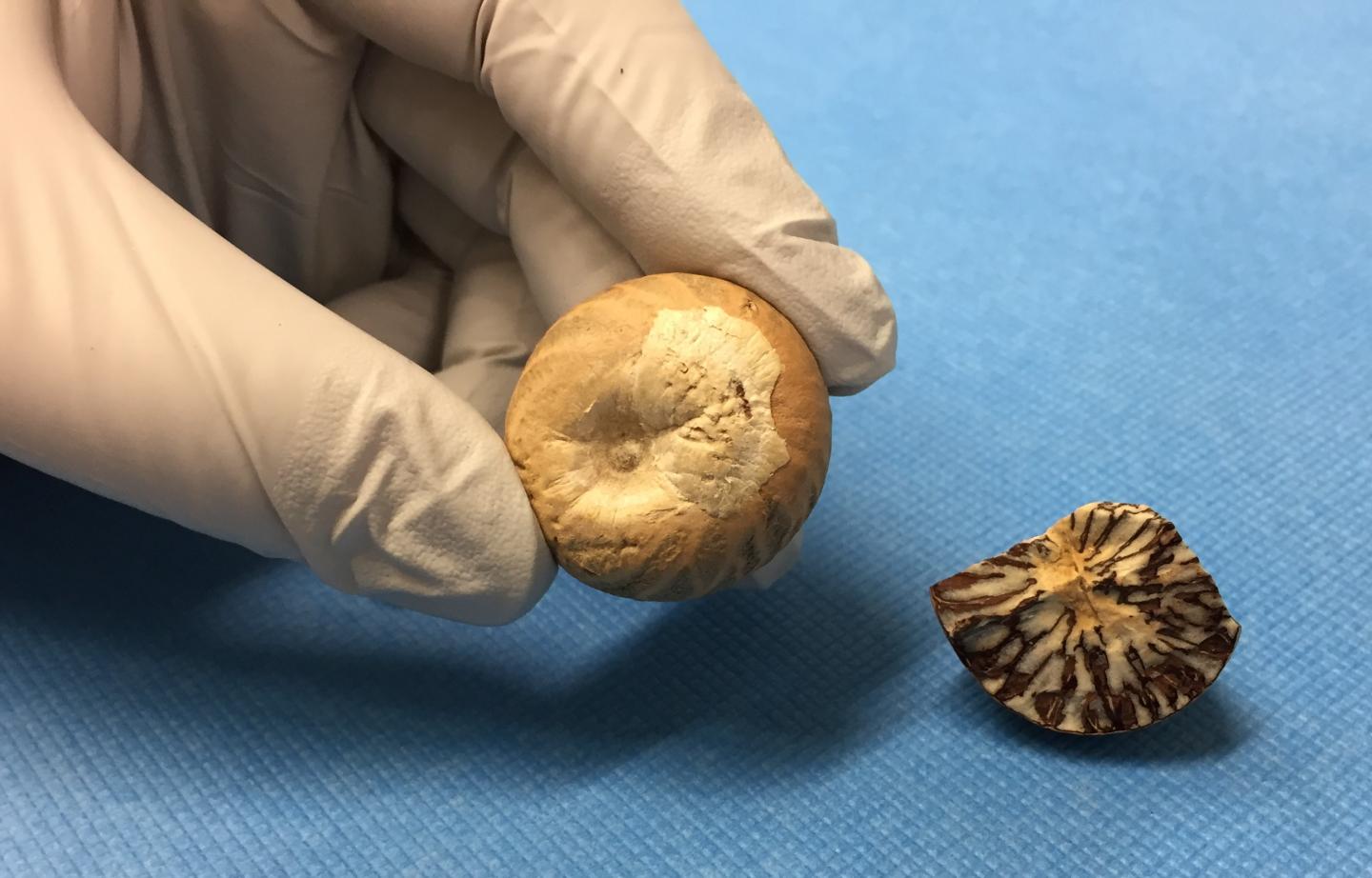
Betel quid is areca nuts mixed with betel, and sometimes tobacco, leaves. It creates a sense of euphoria so many of the 600 million users are addicted, even though it can cause harm. Quids are prepared by mixing sliced areca nuts with slaked lime (calcium hydroxide), spices, sweets and in some cases tobacco, and wrapping the concoction in leaves from the betel vine.
Quid chewing turns users' teeth bright red and forces them to spit out a lot of red saliva, which discolors local sidewalks and buildings. Quid use is addictive and leads to serious health effects including oral cancer and cardiovascular issues.
Snow is melting in the Alps, and particle physicists, who have flocked to La Thuile for exciting ski conferences in the past weeks, are now back to their usual occupations. The pressure of the deadline is over: results have been finalized and approved, preliminary conference notes have been submitted, talks have been given. The period starting now, the one immediately following presentation of new results, when the next deadline (summer conferences!) is still far away, is more productive in terms of real thought and new ideas. Hopefully we'll come up with some new way to probe the standard model or to squeeze more information from those proton-proton collisions, lest we start to look like accountants!
Telomeres, repeated sequences of DNA that shorten every time a cell divides, have been linked to an increased cancer risk. The length of the telomere “caps” of DNA that protect the tips of chromosomes may provide an avenue for future therapy.
The researchers presenting at American Association for Cancer Research analyzed blood samples and health data on more than 28,000 Chinese people enrolled in the Singapore Chinese Health Study, which has followed the health outcomes of participants since 1993. As of the end of 2015, 4,060 participants had developed cancer.