




Country music's soaring popularity in the Northeast isn't so much a novelty as it is a rebirth. Image: US Navy

By Clifford Murphy, University of Maryland, Baltimore County

A team of astronomers recently reported discovering a pulsating star that appears to shine with the energy of 10 million suns. A pulsar is a type of rotating neutron star that emits a bright beam of energy that regularly sweeps past Earth like a lighthouse beacon.

What are the odds finding another one so bright? According to one of the paper's authors, quite good. 

Professor Deepto Chakrabarty of the Kavli Institute for Astrophysics and Space Research at the Massachusetts Institute of Technology says he is optimistic that astronomers will find additional ultra-bright pulsars now that they know such objects exist.


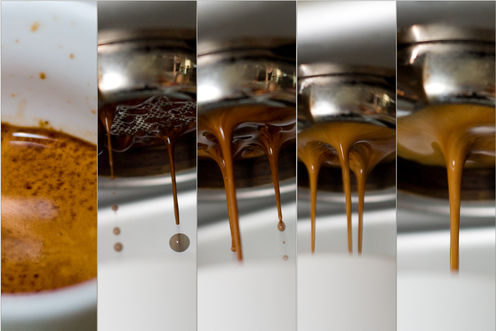
There are four factors to making the perfect cup of coffee. Credit: Andy Ciordia/Flickr, CC BY-NC-ND

By Don Brushett

It’s hard to get a bad coffee these days.

Plenty of baristas have fine-tuned the process of making espresso, but really there are only a handful of variables they can control:

The Large Hadron Collider at the CERN laboratories in Geneva is currently in shutdown, finalizing the upgrades that will allow it to restart next year at the  centre-of-mass energy of 13 TeV - over 60% more than the last 8 TeV run. ATLAS and CMS have collected no more proton-proton collisions since almost two years ago; yet the collaborations are as busy as ever producing physics results from the analysis of the 2012 data.

Rather than focusing on any single result, below I give some highlights of the most recent publications by CMS. Another post will discuss ATLAS results in a few days.

How much risk can health workers be asked to take on? Mike Segar/Reuters

By Catherine Womack, Bridgewater State University

Taking care of sick people has always involved personal risk.

From plague to tuberculosis to smallpox to SARS, health-care workers have put themselves in danger in the course of fulfilling their duties to care for others. Many have lost their lives doing just that.

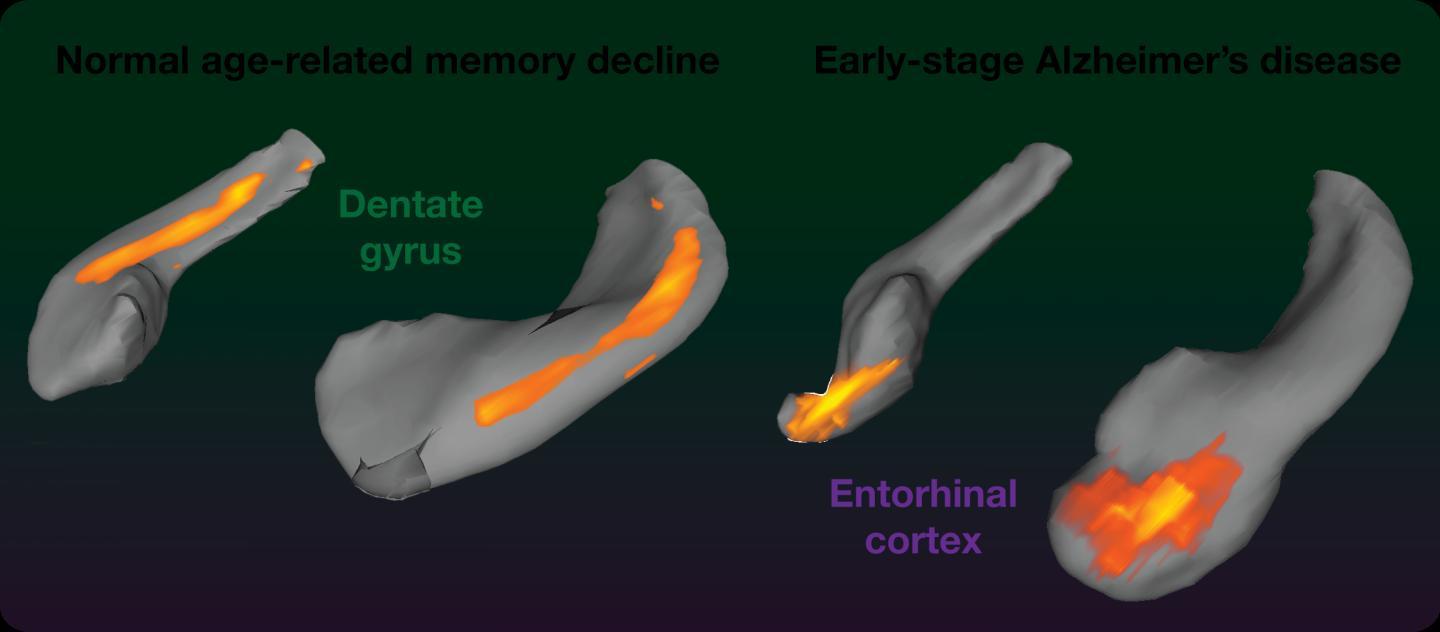
A new study has found that  age-related memory decline in healthy older adults
can be reversed by dietary cocoa flavanols, the naturally occurring bioactives found in cocoa.

The expanding thermonuclear fireball of a nova is a staple of movies and fiction but last year one was witnessed in the constellation Delphinus with unprecedented clarity. The observations produced the first images of a nova during the early fireball stage and revealed how the structure of the ejected material evolves as the gas expands and cools. 

Antibiotics are a part of nature, as is antibiotic resistance. A study on how a powerful antibiotic agent gets made in nature solved a decades-old mystery and opens up new avenues of research into thousands of similar molecules.

The team focused on a class of compounds that includes dozens with antibiotic properties. The most famous of these is nisin, a natural product in milk that can be synthesized in the lab and is added to foods as a preservative. Nisin has been used to combat food-borne pathogens since the late 1960s.

Though the Centers for Disease Control has been a little confused about dealing with Ebola, Disaster Medicine and Public Health Preparedness has guidelines for volunteers who want to help. 

Some are obvious. If you deal with Ebola patients, quarantine yourself for a little while. People in the bowling alley don't need to know right now that you were with Doctors Without Borders and that you just got back from helping overseas.

Common sense is needed, though The World Health Organization has asked for more volunteers to aid in the outbreak. More is not better if they are not trained and prepared, so it is best to have trained emergency response clinicians instead of medical students and trainees. 

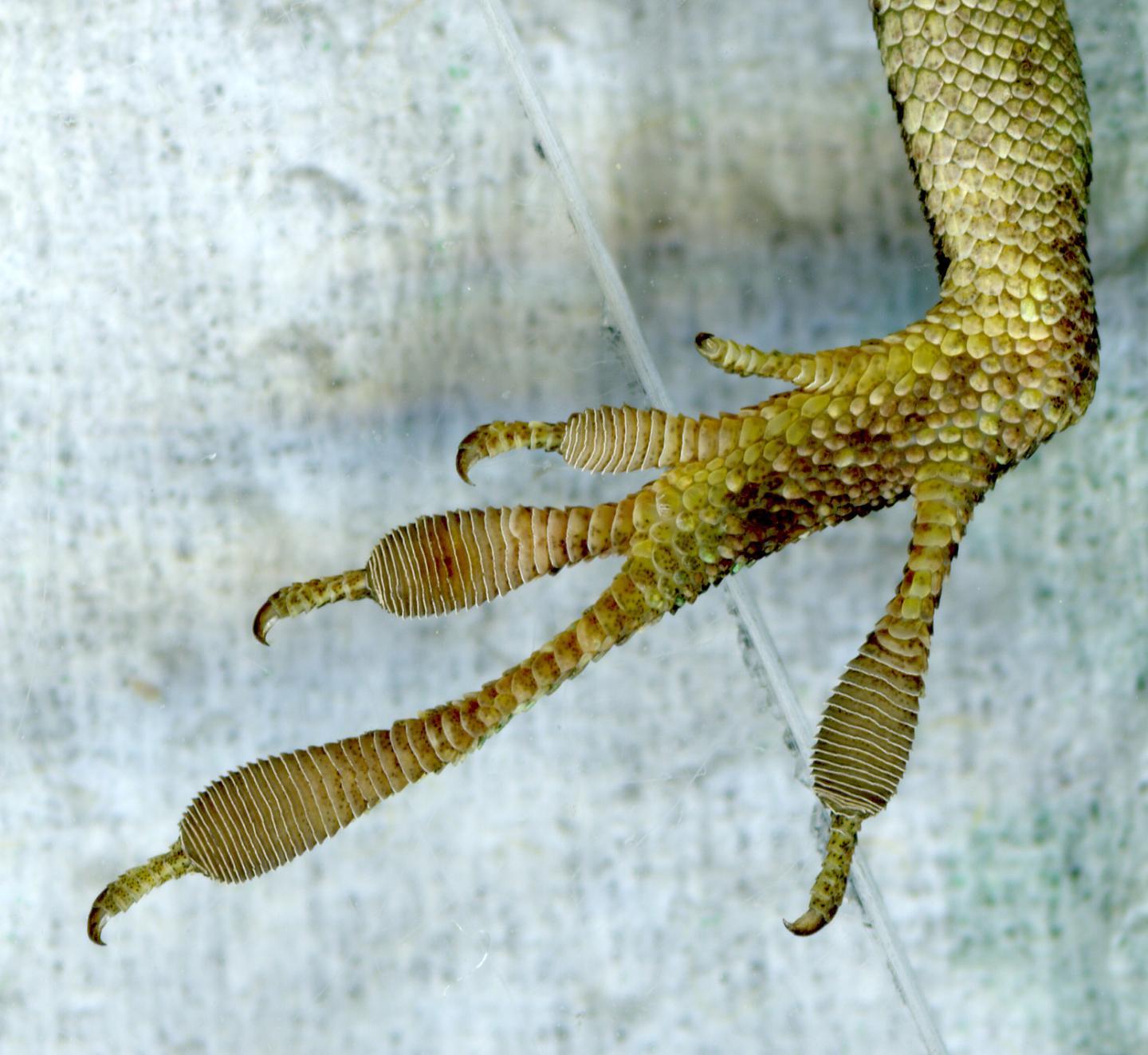
Scientists have documented the rapid evolution of a native lizard species as a result of pressure from an invading lizard species introduced from Cuba. 

After contact with the invasive species, the native lizards began perching higher in trees, and, generation after generation, their feet evolved to become better at gripping the thinner, smoother branches found higher up. It only took about 20 generations - 15 years - but even within a few months, native lizards had begun shifting to higher perches and as time passed their toe pads had become larger, with more sticky scales on their feet.


