

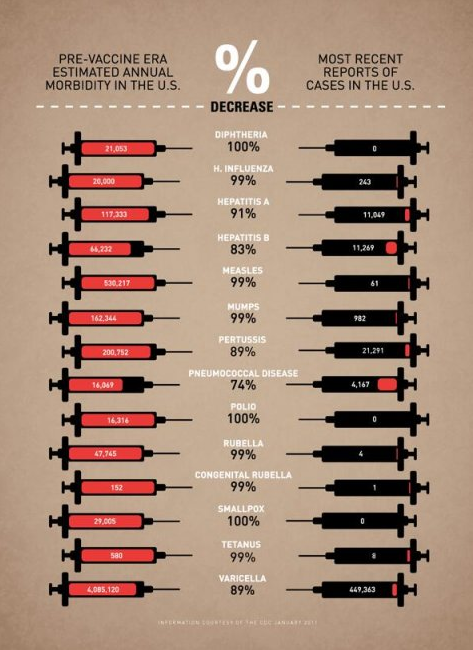



Hospitals across the country have seen sharp declines in rates of central line-associated blood stream infections (CLABSIs) and ventilator-associated pneumonias (VAPs) among critically ill neonates and children, according to a new study which analyzed incidences rates of CLABSIs, VAPs and catheter-associated urinary tract infections (CAUTIs) for 173 neonatal intensive care units (NICUs) and 64 pediatric intensive care units (PICUs) from 2007-2012.

Carbon dioxide released into the atmosphere is absorbed into ocean waters, where it dissolves and lowers the pH of the water. Acidic waters affect fish behavior by disrupting a specific receptor in the nervous system, called GABAA, which is present in most marine organisms with a nervous system. When GABAA stops working, neurons stop firing properly.

What doesn't kill us may make us stronger as a group, according to findings from new research published in Psychological Science, a journal of the Association for Psychological Science.

The research suggests that, despite its unpleasantness, pain may actually have positive social consequences, acting as a sort of "social glue" that fosters cohesion and solidarity within groups:

An analysis of over 7,000 women over a decade after unsuccessful fertility treatment found that women who have difficulty accepting the fact that they can't have children following unsuccessful fertility treatment have worse long-term mental health than women who are able to let go of their desire for children.

The study is the first to look at a large group of women to try to understand mental health after unsuccessful fertility treatment, including factors such as whether or not they have children, whether they still want children, their diagnosis and their medical treatment.

I've seen some pretty awful tactics used by various self-promoters, quacks, and other invertebrates over the years, but this one may take the organic cake.

Internet huckster Mike Adams, who ranks right up there with Crazy Joe Mercola, in terms of spreading self-serving, harmful nonsense around the web has outdone even himself this time.

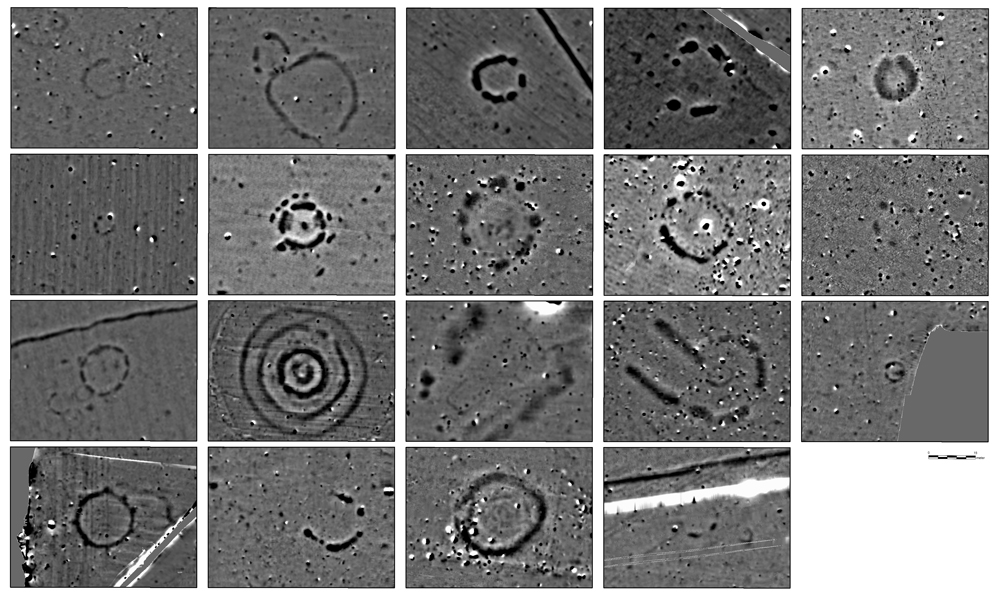
Previously unknown archaeological monuments have been discovered around Stonehenge as part of a digital mapping project that will transform our knowledge of this iconic landscape – including remarkable new findings on the world's largest 'super henge', Durrington Walls.

A new generation of chemotherapy drugs that are more effective and less toxic could be on the horizon thanks to a new mechanism to inhibit proteasomes, protein complexes that are a target for cancer therapy.

A member of the category of enzymes known as proteases, the proteasome is a protein complex responsible for several essential functions inside cells, such as eliminating harmful or non-functioning proteins and regulating the processes of apoptosis (programmed cell death), cell division and proliferation, say the authors in Chemistry&Biology,who were led by Daniela Trivella, researcher at the Brazilian Biosciences National Laboratory at the Brazilian Center for Research in Energy and Materials.

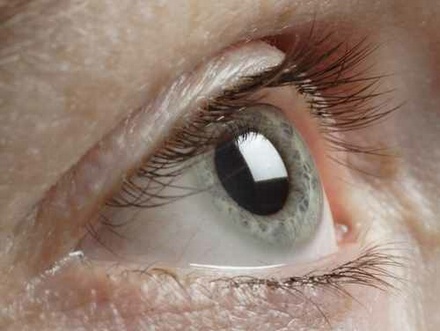
Glaucoma, a condition where pressure builds from poor drainage of fluid from the anterior chamber of the eye, destroying retinal ganglion cells and eventually the optic nerve, is a leading cause of blindness in the U.S. but a cure has been elusive because the basis of the disease is poorly understood. 

In glaucoma, the eye becomes like a bathtub that can't drain because the pipe is clogged. The clogged or defective vessel, known as Schlemm's canal, is part of the lymphatic system that is essential for drainage in the eye. 

Since the failures of some metal on metal hip implants were brought to light, the introduction of new joint implants has been the focus of major scientific and policy discussions, but regulation 'requires major overhaul,' say a group of experts, because the safety of several new technologies "could be compromised".

An International team led by Art Sedrakyan, Associate Professor at Weill Cornell Medical College in New York, argues that the momentum for change generated by these recent high profile failures is important and there is an urgent need to evaluate the evidence for introducing new implants.

One year ago I had the pleasure to spend some time with George Zweig during a conference in Crete (ICNFP 2013). He is a wonderful storyteller and a great chap to hung around with, and I had great fun in the after-dinners on the terrace of the Orthodox Academy of Crete overlooking the Aegean sea, drinking raki and chatting about physics and other subjects.


