


Genetic variation is important in a healthy population and recombination, or crossing-over, which occurs when sperm and egg cells are formed and segments of each chromosome pair are interchanged, is a vital part of maintaining genetic variation.

Honeybees take it to a whole other level and a new study finds that the extreme recombination rates found in this species - 20X higher than humans, higher than measured in any other animal  - seem to be crucial for their survival.

Every day, thousands of people need donated blood but blood transfusions require that the blood type of the donor match that of the recipient., unless it is blood without A- or B-type antigens, such as type O, that can be given to all of those in need. Mismatched blood with A or B antigens could provoke an immune reaction and even cause death. 

For that reason, Type O is often in short supply, but science may soon have a solution. Stephen G. Withers and colleagues write in Journal of the American Chemical Society of an efficient way to transform A and B blood into a neutral type O that can be given to any patient. 

Economic sanctions and divestment campaigns are attractive but often flawed tactics for accomplishing international political goals.

The social stigma the campaigns create often fails to match the economic pain these campaigns inflict, making the costs of resisting them for governments like Russia, Syria and Iran tolerable in most cases.

Indeed, sanctions succeed less than a third of the time they are imposed, according to researchers at the nonpartisan Peterson Institute for International Economics, and divestment campaigns have an even less certain track record.

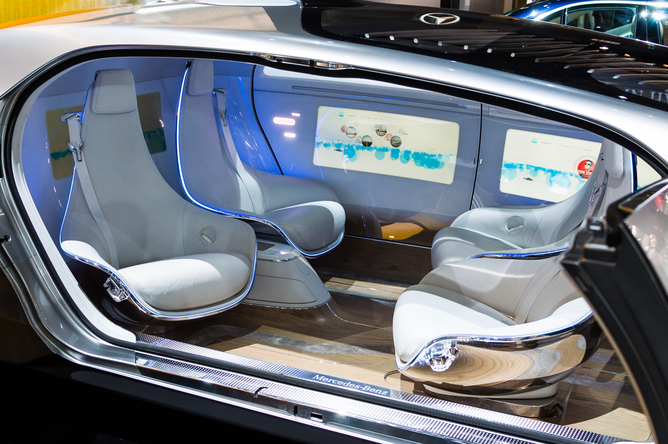
Self-driving cars are expected to revolutionize the automobile industry. Rapid advances have led to working prototypes faster than most people expected. The anticipated benefits of this emerging technology include safer, faster and more eco-friendly transportation.

Scientists have mapped the human genes triggered by the phytonutrients in soy, revealing the complex role the legume plays in both preventing and advancing breast cancer.

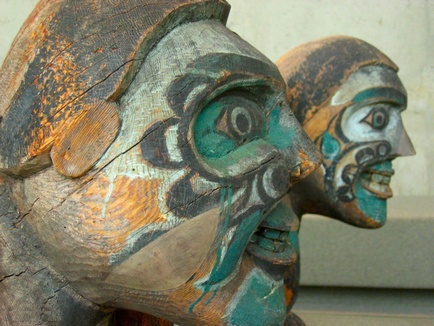
New genetic testing of Iñupiat people currently living in Alaska's North Slope has determined the migration patterns and ancestral pool of the people who populated the North American Arctic over the last 5,000 years and found that all mitochondrial DNA haplogroups previously found in the ancient remains of Neo- and Paleo-Eskimos and living Inuit peoples from across the North American Arctic were found within the people living in North Slope villages.

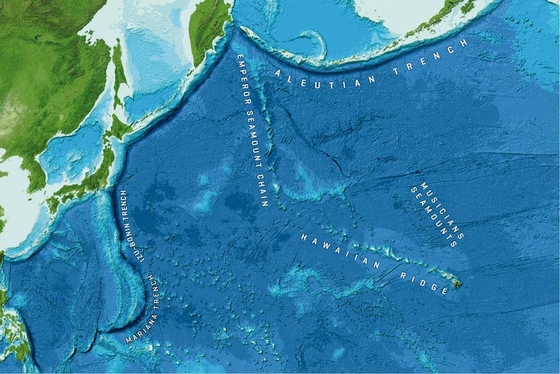
Some of the ocean's underwater volcanoes did not erupt from hot spots in the Earth's mantle but instead formed from cracks or fractures in the oceanic crust, which would help explain the spectacular bend in the famous underwater range known as the Hawaiian-Emperor seamount chain, where the bottom half kinks at a sixty degree angle to the east of its top half. 

It has long been accepted that as the Earth's plates move over fixed hot spots in its underlying mantle, resulting eruptions create chains of now extinct underwater volcanoes or 'seamounts'.

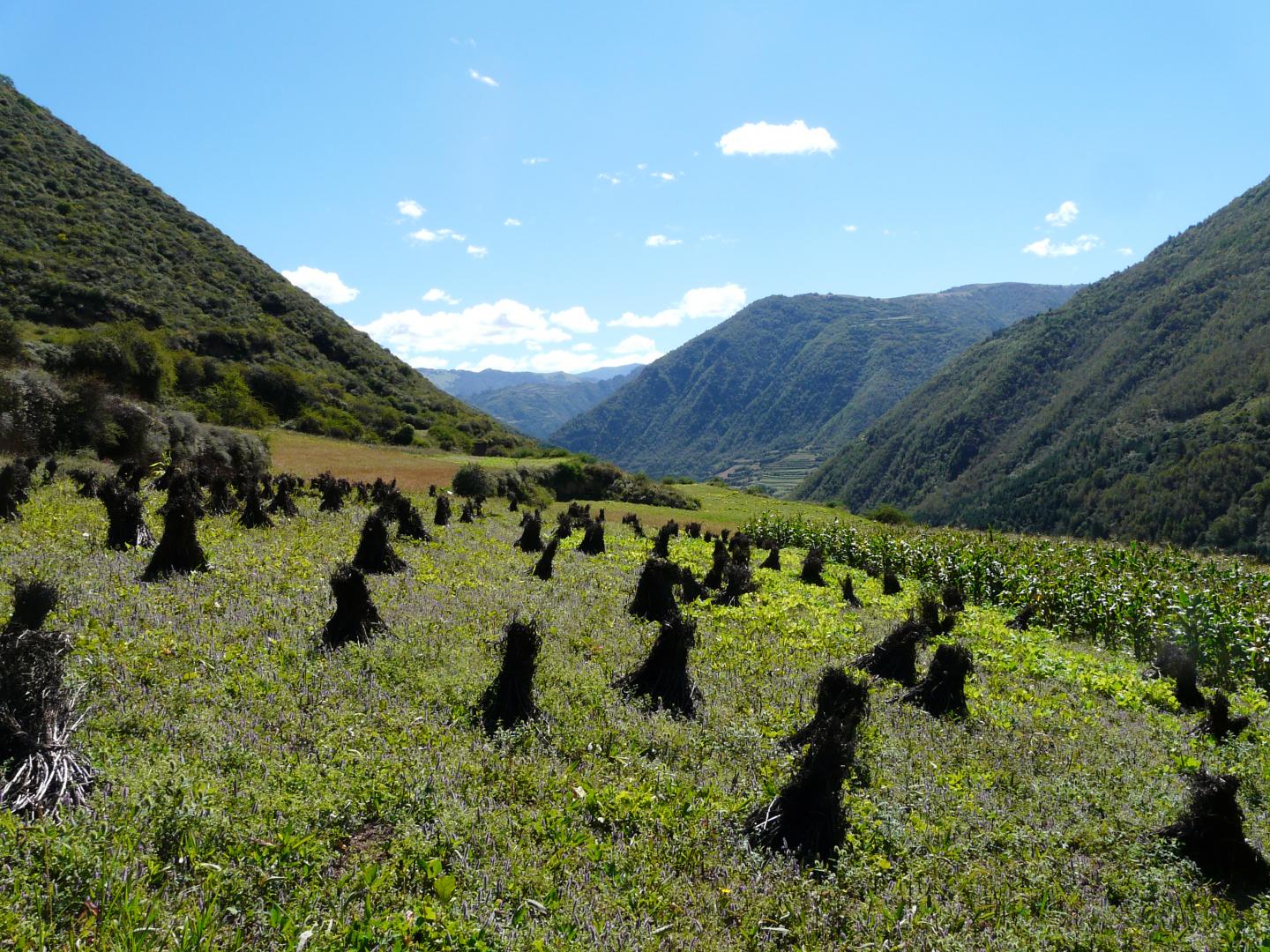
Climate change may have been be responsible for the abrupt collapse of civilization on the fringes of the Tibetan Plateau around 2,000 B.C. - but it wasn't the modern political connotation of climate change, with man-made carbon dioxide causing warming, it was global cooling.

Researchers have developed a mouse model of brain-metastatic breast cancer and found the potential of stem-cell-based therapy to eliminate metastatic cells from the brain and prolong survival is strong.

The research team developed a mouse model that closely mimics what is seen in patients. They found that injecting into the carotid artery breast cancer cells that express markers allowing them to enter the brain - cells labeled with bioluminescent and fluorescent markers to enable tracking by imaging technologies - resulted in the formation of many metastatic tumors throughout the brain, mimicking what is seen in advanced breast cancer patients. Current therapeutic options for such patients are limited, particularly when there are many metastases. 

Blocked blood vessels can quickly become dangerous so it's often necessary to replace them, either by another vessel taken from the body or with artificial vascular prostheses. A new project has developed artificial blood vessels made from a special elastomer material, which has excellent mechanical properties and over time, these artificial blood vessels are replaced by
endogenous material
 so that by the end of this restorative process, a natural, fully functional vessel is once again in place. 

The work in rats was conducted by Vienna University of Technology and Vienna Medical University.


