



From time to time we get larger solar storms. One of the last major ones was the one in March 1989 geomagnetic storm which caused a nine hour power cut in Quebec. That happened because they weren’t prepared for it. Modern power supplies are hardened against this, making such events much less likely.

There were earlier studies suggesting widespread damage to transformers which could cause months to years to repair, widespread power supply problems that would take a long time to resolve, and trillions of dollars of damage, so a large economic impact.

This is for people who worry that the Democrats in the USA will never come to agreement on their climate policies. It’s tough work for them, because they have to get agreement of 50 senators, even one abstention and they will lose the vote.

IMHO this is also a strength- the bill is getting intense scrutiny. Everyone’s concerns need to be listened to. Joe Manchin seems genuine and he represents centrist politicians in the USA - a bill is more likely to work if he is behind it too.

How to motivate your self, and others to act on climate change, biodiversity or anything else - tips from psychology

This talk may help you if you are thinking about how to motivate both yourself and others, and also governments, to act on climate change, biodiversity loss or indeed anything. The way you might do it instinctively, to focus on all the negatives that need to be fixed, is actually not the best approach. Psychologists call this negative framing.

Psychology says, in order to create engagement, we should present, on balance, three positive or supportive framings for each climate threat we mention.

Epsen Stokes, 8:49 into this video.

I’ve written in the past about the tendency of some researchers to compensate for weak study design or small sample size by over-hyping their research findings, particularly with the news media.

Recent survey results by SciDev.Net/CABI reveal that the majority of science journalists (633 respondents from 77 countries) believe that the field is not consolidating the way some other mainstream/legacy journalism specialties are.

Proving the universe seems like a gargantuan task, but we might have a chance to do so with exascale computers.

This past Thursday I held a public lecture, together with my long-time friend Ivan Bianchi, on the topic of Art and Artificial Intelligence. The event was organized by the "Galileo Festival" in Padova, for the Week of Innovation.
Ivan is a professor of Contemporary Art at the University of Padova. We have known each other since we were two year olds, as our mothers were friends. We took very different career paths but we both ended up in academic and research jobs in Padova, and we have been able to take part together in several events where art and science are at the focus. Giving a lecture together is twice as fun!


For most of this century, anyone in London has been photographed and filmed an average of 300 times each day. Their reasoning to start such intrusive scrutiny was that England, Wales, and Scotland led the developed world in crime, and a tourist attraction like London needed extra monitoring.

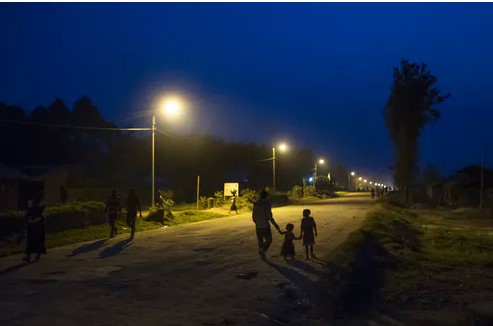
Today’s global energy inequities are staggering.

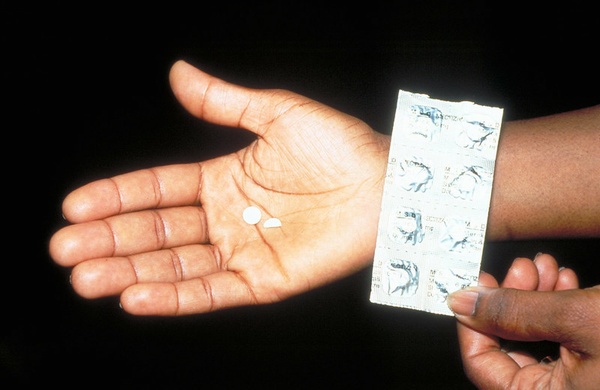
Ivermectin is an over 30-year-old wonder drug that treats life- and sight-threatening parasitic infections. Its lasting influence on global health has been so profound that two of the key researchers in its discovery and development won the Nobel Prize in 2015.

I’ve been an infectious disease pharmacist for over 25 years. I’ve also managed patients who delayed proper treatment for their severe COVID-19 infections because they thought ivermectin could cure them.

