

In a study into the prevention of HIV transmission, people who took the antiretroviral drug Truvada were 86% less likely to contract the disease than those who took a placebo, report the researchers who led the study.

DURHAM, N.C. -- When you're as soft and delicious as a cuttlefish, evading predators is a full-time job.

Not only do these squid-like creatures employ stealthy visual camouflage when a predator looms nearby, new research shows they also manage to cloak their electrical fields.

One of the cuttlefish's major predators, the shark, has eyes on the side of its head, making it effectively blind straight ahead and near the front of the mouth. So the shark relies instead on a snout studded with sensitive detectors of faint electrical fields to get the meat in the maw.

How can you tell if your mathematical model is good enough? In a new study, researchers from Uppsala University implemented a Turing test in the form of an online game (with over 1700 players) to assess how good their models were at reproducing collective motion of real fish schools. The results are published in Biology Letters.

Part of the reason people find smoking difficult to quit is that each time they have a cigarette, feelings of craving, irritability and anxiety melt away. This component of addiction is known as negative reward and is controlled in part by a region of the brain called the habenula. The neurotransmitters acetylcholine and glutamate are thought to influence nicotine dependence in the habenula, but the molecular details of this regulation are unclear.

Ovarian cancer is the seventh most common cancer among women worldwide, and it often goes undetected until it has spread to other parts of the body. More than 70% of ovarian cancer patients experience relapse; when recurrent cancers become resistant to chemotherapy, they become extremely difficult to treat. But what if patients could make use of their own immune system?

A group of researchers from the University of Helsinki and the University of Edinburgh have been the first to find the genetic material of a human virus from old human bones. Published in the journal Scientific Reports, the study analysed the skeletal remains of Second World War casualties from the battlefields of Karelia.

Upon infection, many viruses remain in the tissues and their DNA can be analysed even decades thereafter. Although their genetic material has been found in many organs, the researchers show that viral DNA is also present in bone.

"Human tissue is like a life-long archive that stores the fingerprint of the viruses that an individual has encountered during his or her lifetime," describes Klaus Hedman, professor of clinical virology.

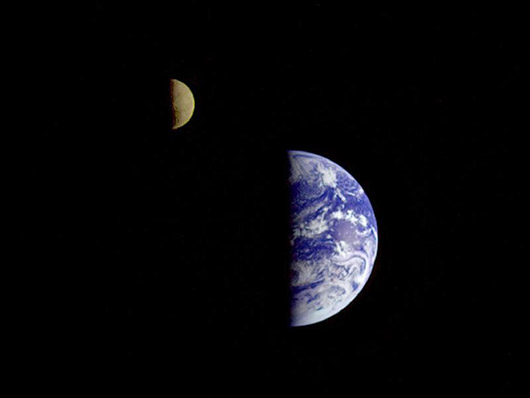
By Marsha Lewis, Inside Science TV. The moon — it can appear full, shining like a beacon in the night or just a sliver of a nightlight. Still, it’s always there.

Image Credit: NASA.gov

But what if we didn't have a moon?

Here’s the top five things we would miss without it.

1.       Nights would be much, much darker. The next brightest object in the night sky is Venus – but it still wouldn’t be enough to light up the sky – a full moon is nearly two thousand times brighter than Venus is at its brightest.

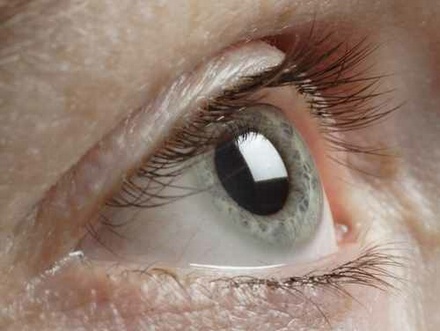
Scholars have found that the causes of congenital face blindness can be traced back to an early stage in the perceptual process. 

Groundwater in Bangladesh, Cambodia, India, Myanmar, Vietnam and China commonly contains concentrations of arsenic 20 to 100 times greater than the World Health Organization's recommended limit, resulting in more than 100 million people being poisoned by drinking arsenic-laced water. Now scientists have found where the microbes responsible for releasing dangerous arsenic into groundwater in Southeast Asia get their food. 

Seville, Spain - 5 December 2015: Latin American migrants in Spain should be screened for Chagas disease, particularly women before pregnancy, doctors urged today at EuroEcho-Imaging 2015.1

The annual meeting of the European Association of Cardiovascular Imaging (EACVI), a registered branch of the European Society of Cardiology (ESC), is held 2 to 5 December 2015 in Seville, Spain.


