



Cancer, it is said, is nature's way of telling us to 'get the hint'. At a certain age, we all have more friends who get cancer. The older we get, the more often it happens. Even if we somehow slow aging, we would end up with cancer eventually, just like Gilles-Eric Séralini's experimental rats were predestined to get cancer when he let them live long enough.

Cancer is inevitable.

Perhaps not all cancer. The risk of developing several common cancers decreases with age, which has been a mystery. Mystery or not, it is what it is and researchers want to be able to take advantage of what they know. 


Recently this headline on Real Clear Science caught my eye: Carbon-12 Nucleus Shaped Like Equilateral Triangle.  It led to an article in Physics World, entitled

The Centers for Disease Control and Prevention is rightfully concerned that the U.S. faces “potentially catastrophic consequences” from the growing threat of antibiotic-resistant infections, which kill about 23,000 Americans a year.

One solution is personalized antibiotic therapy, but that would require both rapid bacterial identification and narrow-spectrum antibiotics. Tailored antibiotic therapy would not only extend the clinical lifetime of new antibiotics by better managing resistance, it might also revive old antibiotics that have been abandoned due to resistance, toxicity, or their inability to penetrate bacterial membranes.

Cachexia is a profound wasting of fat and muscle occurring in about half of all cancer patients, raising their risk of death.

Many strategies have been tried to reverse the condition, which may cause such frailty that patients can't endure potentially life-saving treatments, but none have had great success.

Researchers recently demonstrated that, in mice bearing lung tumors, their symptoms of cachexia improved or were prevented when given an antibody that blocked the effects of a protein, PTHrP, secreted by the tumor cells. PTHrP stands for parathyroid hormone-related protein, and is known to be released from many types of cancer cells.

Biophysics researchers recently used short pulses of light to peer into the mechanics of photosynthesis to try and determine the role of molecule vibrations in the energy conversion process that powers life on earth.   

Through photosynthesis, plants and some bacteria turn sunlight, water and carbon dioxide into food for themselves and oxygen for animals to breathe. It's perhaps the most important biochemical process on Earth and scientists don't yet fully understand how it works.  New 'quantum biology' findings could potentially help engineers make more efficient solar cells and energy storage systems and provide evidence for exactly how photosynthesis manages to be so efficient.  

Eosinophillic esophagitis (EoE) is a chronic inflammatory disorder of the esophagus. The condition is triggered by allergic hypersensitivity to certain foods and an over-accumulation in the esophagus of white blood cells called eosinophils.

EoE can cause a variety of gastrointestinal complaints including reflux-like symptoms, vomiting, difficulty swallowing, tissue scarring, fibrosis, the formation of strictures and other medical complications. 

New research has identified a novel genetic and molecular pathway in the esophagus that causes eosinophillic esophagitis, opening up potential new therapeutic strategies for an enigmatic and hard-to-treat food allergy. 

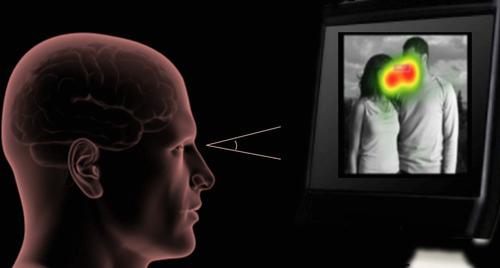
A decreased ability to identify odors might indicate the development of cognitive impairment and Alzheimer's disease, according to results of research reported at the Alzheimer's Association International Conference 2014 in Copenhagen. 

Examinations of the eye could also indicate the build-up of beta-amyloid, a protein associated with Alzheimer's, in the brain.

An international research project has reported that a new oral medication is showing significant progress in restoring vision to patients with Leber congenital amaurosis (LCA). This inherited retinal disease that causes visual impairment ranging from reduced vision to complete blindness, has remained untreatable.  

"This is the first time that an oral drug has improved the visual function of blind patients with LCA," says the study's lead author, Dr. Robert Koenekoop, who is director of the McGill Ocular Genetics Laboratory at The Montreal Children's Hospital of the MUHC, and a Professor of Human Genetics, Paediatric Surgery and Ophthalmology at McGill University. "It is giving hope to many patients who suffer from this devastating retinal degeneration."

