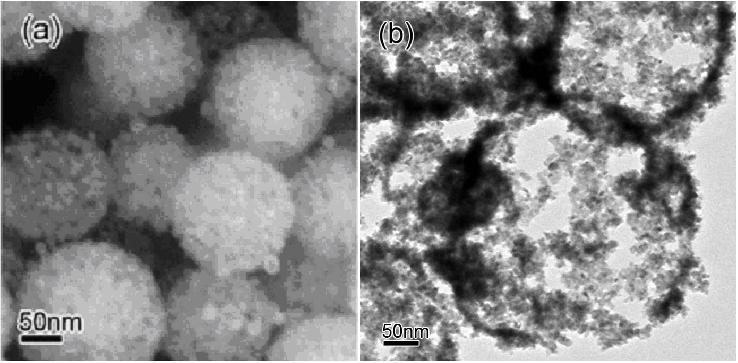

COLUMBUS, Ohio--It's one of life's little annoyances: that last bit of shampoo that won't quite pour out of the bottle. Or the last bit of hand soap, or dish soap, or laundry detergent.

Now researchers at The Ohio State University have found a way to create the perfect texture inside plastic bottles to let soap products flow freely. They describe the patent-pending technology in a paper to appear in the journal Philosophical Transactions of the Royal Society on June 27.

ANN ARBOR, Mich. -- Even if you have what you might think of as good health insurance, your next hospital stay could cost you more than $1,000 out of your own pocket.

And that amount has gone up sharply in recent years - a rise of more than 37 percent just for straightforward hospital stays for common conditions.

Those striking statistics come from the first published analysis of actual out-of-pocket spending by people with private health insurance, most of it provided by employers. It's appearing today in the JAMA Internal Medicine, and being presented at the AcademyHealth Annual Research Meeting in Boston.

The World Health Organization's International Agency for Research on Cancer (IARC) says it doesn't know if coffee causes cancer or not, a switch from 1991 when the agency said it did.

That is bad for people who want to trust IARC's recommendations -- because its reasons to reverse course on coffee are no more valid than its reason to have declared it possibly carcinogenic to humans (Group 2B) in the first place. And the coffee claims are no more valid than any other claims the agency has made about the hazards of common things.

A new study from Western University is helping to explain why the long-term use of common anticholinergic drugs used to treat conditions like allergies and overactive bladder lead to an increased risk of developing dementia later in life. The findings show that long-term suppression of the neurotransmitter acetylcholine - a target for anticholinergic drugs - results in dementia-like changes in the brain.

She no longer recognizes a Van Gogh, but can tell you how to prepare a watercolor palette.

She can't recall a single famous composer, but knows the purpose of a viola's bridge.

She hasn't flown a plane since 2007, when viral encephalitis destroyed her hippocampus, the part of the brain used to form new memories and retrieve old ones. And she couldn't describe a single trip she's ever taken. But in detail, she'll list the steps needed to keep a plane from stalling and where to find the rudder controls.

Rabies virus (RABV) transmitted by dogs is responsible for an estimated 60,000 human deaths per year, especially in Asia and Africa. If humans bitten by a rabid animal are treated quickly, the disease can usually be prevented. Such post-exposure prophylaxis is expensive and should be reserved for bites from animals with confirmed infection, but testing dogs for rabies in resource-poor settings is challenging. A study published in PLOS NTDs reports that six commercially available rapid rabies tests--which could make testing dogs much easier--fail to reproducibly yield accurate results.

The passage of time can play cruel tricks on noble intentions. The person selected as the new United Nations (UN) Secretary-General later this year should keep this in mind as he or she evaluates how effectively the UN is responding to the challenges of the 21st century.

Those who go to a masked ball consciously slip into a different role, in order to avoid being recognized so quickly. Insects were already doing something very similar in the Cretaceous: They cloaked themselves in pieces of plants, grains of sand, or the remains of their prey, in order, for example, to be invisible to predators. An international research team, with participation from the University of Bonn, has now investigated such "invisibility cloaks" encased in amber. The custom-tailored "costumes" also permit conclusions about the habitat at the time. The results have now been published in the journal "Science Advances".

New work suggests Earth's ancient magnetic field was significantly different than the present day field, originating from several poles rather than the familiar two. 

Earth generates a strong magnetic field extending from the core out into space that shields the atmosphere and deflects harmful high-energy particles from the Sun and the cosmos. Without it, our planet would be bombarded by cosmic radiation, and life on Earth's surface might not exist. The motion of liquid iron in Earth's outer core drives a phenomenon called the geodynamo, which creates Earth's magnetic field. This motion is driven by the loss of heat from the core and the solidification of the inner core.

