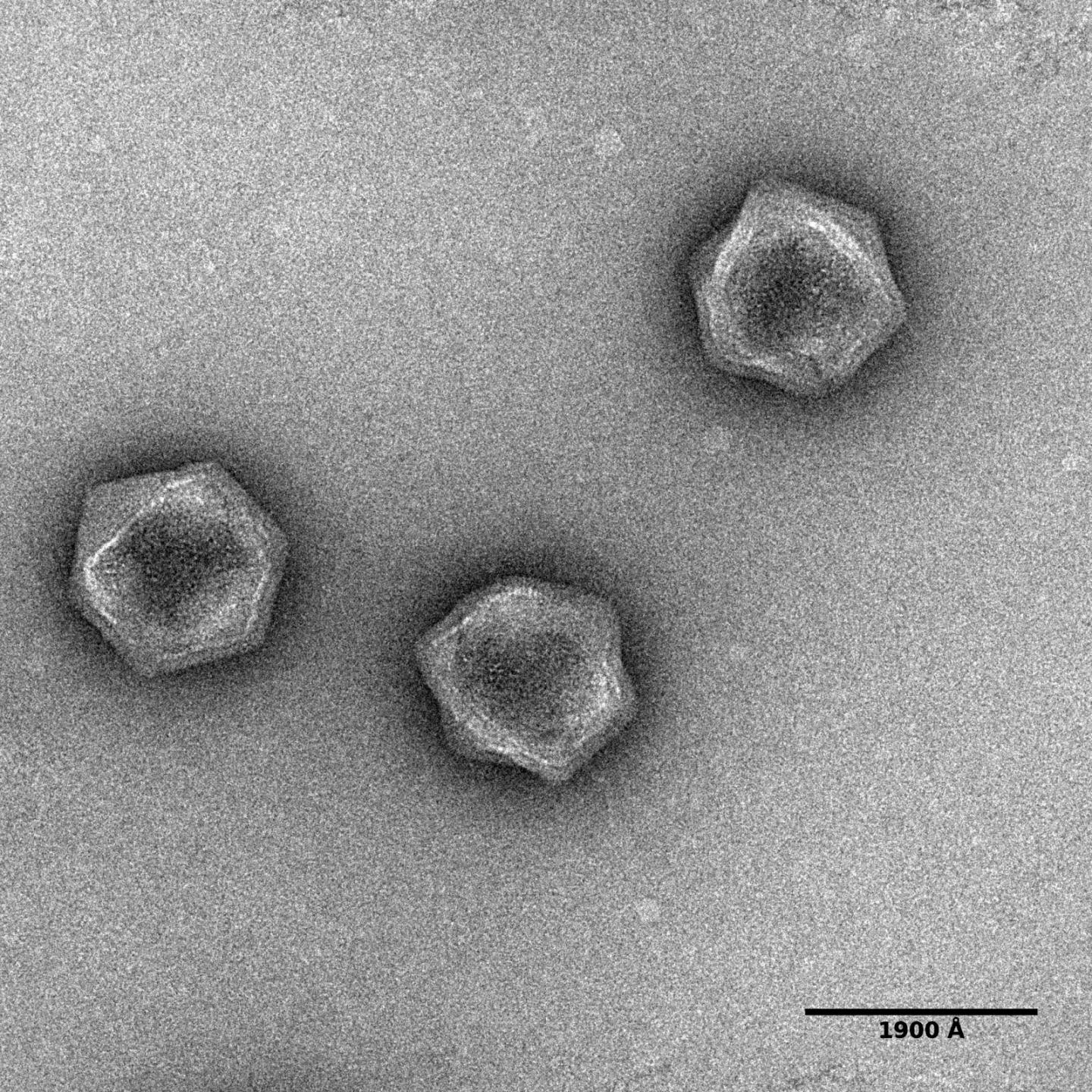
Though they are called giant viruses they're still among the tiniest denizens of the microbiome. A few genes' worth of DNA or RNA folded into a shell so small you need an electron microscope to see it, more like a stripped-down husk of an organism.

Giant viruses are ten times the size of their more compact cousins and with hundreds or even thousands of genes, so unlike the rest of the family that until first cataloged in 1992, researchers had dismissed them as bacteria. 

Few of us in the UK even know that the UK government is ignoring WHO's advice. Allyson M Pollock, professor of public health at Newcastle university is the lead author of a recent paper in the British Medical Journal: Covid-19: why is the UK government ignoring WHO’s advice?.

The authors say that

The WHO talk about contact tracing in every press briefing. They constantly stress that contact tracing iis the key to suppressing COVID-19 and then stopping it. They say that contact tracing will not just delay the peak, but suppress it and crush it right down to no new cases a day.

For some reason some countries are not paying any attention to this advice. I wonder if part of it is that not many realize what it involves, and why it is so effective for this disease? It does not mean tracking random people that you walk past in supermarkets or in the street. It is about close or prolonged contacts.

During difficult times, we hope that everyone will pull together, keep calm, and work as a unit to ensure that society continues to run smoothly. Unfortunately, this is not always the case – as is particularly evident right now.

Many governments, the UK included, focus their policy on physical distancing - which is the most obvious eye catching thing that filled the news about Wuhan. Contact tracing often gets far less attention - yet it is the absolute key to stopping this virus. It is also relatively easy to do. It doesn't need health workers. Other countries are using civil servants, community organizations and volunteers.

Contact tracing is the key to winning. Physical distancing is buying time, like defensive tactics in a game of football. Having bought time in this way we can go into the attack, crush this virus and eliminate it from our country.

The locally grown effort was always fine for people fortunate enough to be born into agriculturally rich areas but for everyone else it historically meant famine, poor diets, or high costs.

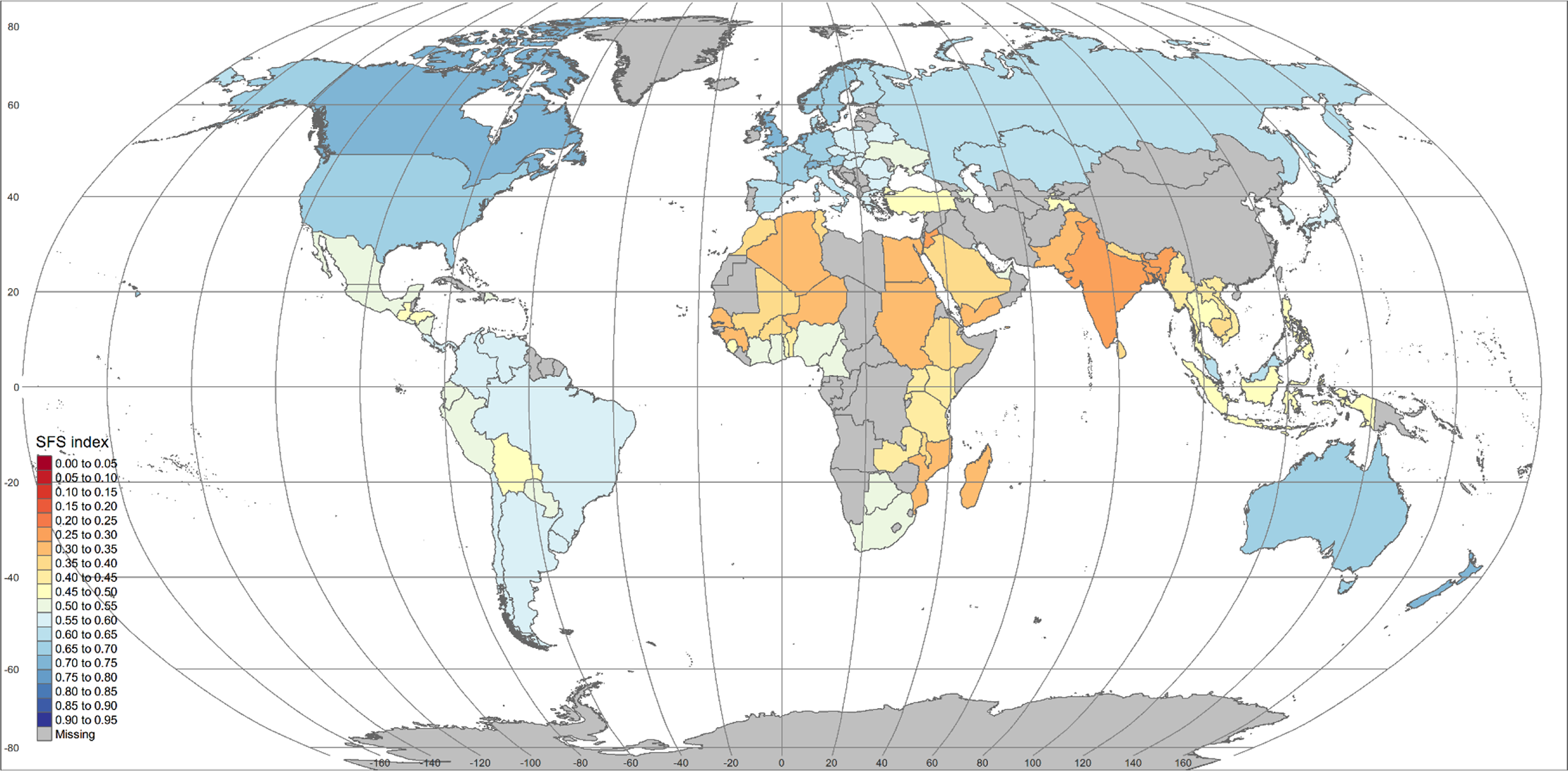
Modern agriculture and free markets changed all that. A new study finds that as the world has increased its standard of living - there are fewer people in poverty than ever in history and it continues to drop fast - it can lead to concern about food system sustainability. As people get wealthier, they move out of rural areas and into cities, but as we have seen during the SARS-CoV2 panic, when 2 percent of people provide all of the food there is less food system stability. Unless there is a large free trade market.

In the UK those who think they have COVID-19, including confirmed cases, isolate at home for 7 days after onset of symptoms. Matt Hancock, the health secretary, was confirmed to have COVID-19 a week ago. He has just come out of isolation after 7 days. See: Matt Hancock leaves week-long isolation period under UK's 'outlier' rules

This is radically different from the WHO isolation period. According to the WHO he is still infectious and could contribute to the spread of the disease. He should only leave isolation this early if he has two negative PCR tests 24 hours apart.

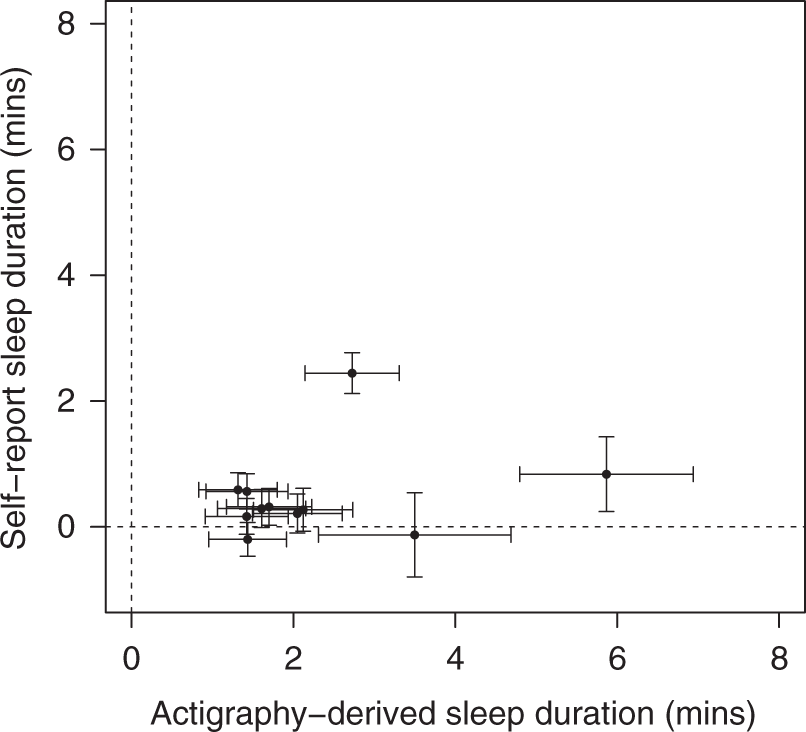
A new paper suggests 47 links between our genetic code and the quality, quantity and timing of our sleep.

The correlation was created using 85,670 participants of UK Biobank and 5,819 individuals from three other studies, who wore accelerometers (e.g. Fitbit) which recorded activity levels continuously. They wore the accelerometers continuously for seven days which provides more accuracy than people who write how well they slept diaries.

Experts are weighing in on Matt Hancock’s proposal of “immunity passports ” in the UK. They say antibody tests will NOT prove you are immune to the disease. We don't know enough about this disease yet to say. From our experience with other diseases, it is possible that those with antibodies can be infected a second time (with the same strain of virus), and die of the disease.

Environmental Working Group recently rolled out its annual Dirty Dozen list of foods that ... wait, did they?

This year, no one seems to know or care if a group of lawyers paid an intern to go through USDA pesticide data and did simple arithmetic to declare how 'toxic' fruit was unless the pesticides on it were made by their clients.

