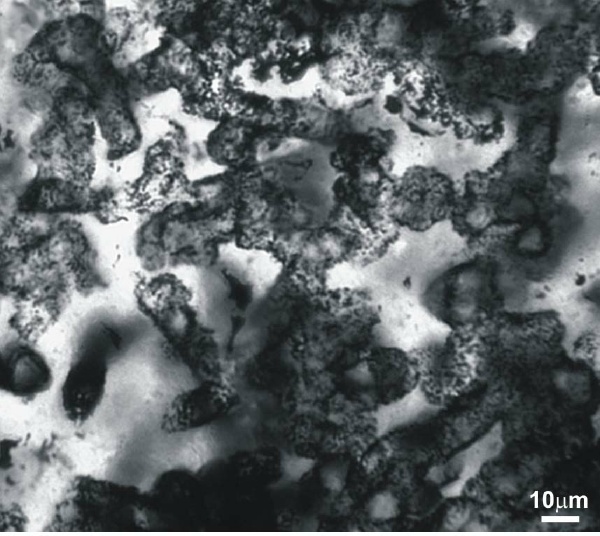
The fossils of 3.4-billion-year-old microbes that used sulfur compounds for energy have been found in rocks from Western Australia, reports a paper published in Nature Geoscience

David Wacey, Martin Brasier and colleagues analyzed microstructures present in rocks from the Strelley Pool Formation in Western Australia, and determined that they were the fossils of ancient microbes. The fossils were associated with tiny crystals of pyrite, a mineral composed of iron and sulfur. The isotopic composition of the sulfur suggests that the pyrite was formed as a by-product of cellular metabolism based on sulphate and sulfur.
At Science 2.0 we are not big fans of being clever just for the sake of being clever - we were smart kids and there are smart kids today and the belief by government funding agencies that STEM outreach needs to be cartoons and video games and mascots is a little patronizing to intelligent young people.

So young people do not need to be talked down to but some things are just cool and everyone likes cool - magic goggles and interactive maps are just that.

Gaetano Ling, an Imperial College London postgraduate, has developed interactive tools to make museums and galleries a little less 'dry' for children, including magic goggles, a Harry Potter style map and brushes that make sounds.

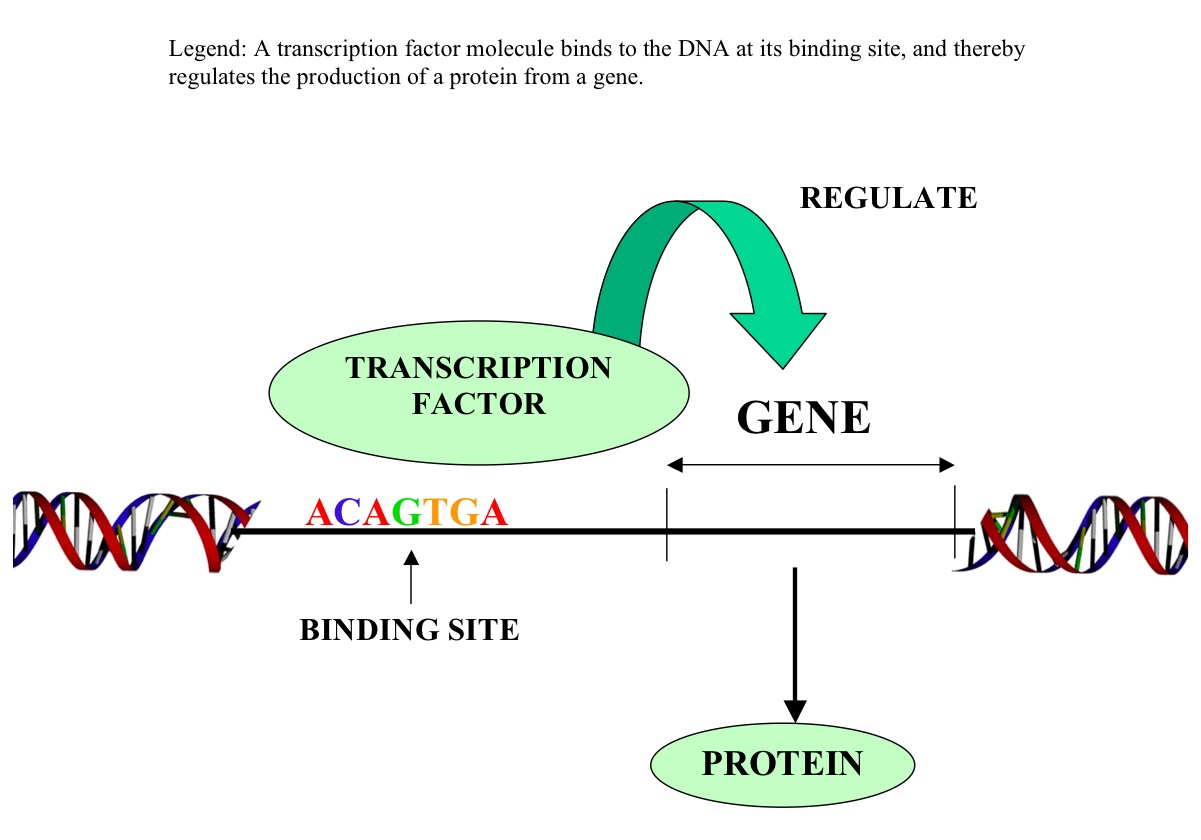
A new study, published in Science, analyzed regulatory elements in the vertebrate genome and found three waves of evolutionary innovation in the evolution of vertebrates. Many important evolutionary changes have their roots in changes in regulatory elements, not necessarily in the occurrence of new protein-coding genes. So, it’s not the change in genes, but rather the change in gene regulation that spurred many events in vertebrate evolution.

Like it or not, the Tevatron is going to shut down for good next month. This machine has provided us with tremendous new investigation power in the high-energy frontier of particle physics, and has led the research of hadronic collisions for over two decades. But all good things come to an end.
Use your browser's back button and stop reading when you can't handle speculations out of a hammock.

Still reading?

Ok, I have warned you. Brace yourself. I am going to argue against what many believe to be the most fundamental law of physics. A sacrosanct law. A law that you experience everyday and that is so obviously true that no one should meddle with it. You all know this law. It's the law referred to as 'the second'. The second law of thermodynamics.

Pharaoh Hatshepsut lived around 1450 B.C.  A tiny flash owned by the queen, a flacon, which is on exhibit in the permanent collection of the Egyptian Museum of the University of Bonn may have held a deadly secret for 3,500 years, according to Head of the collection Michael Höveler-Müller and Dr. Helmut Wiedenfeld from the university’s Pharmacology Institute.

After two years of research it is now clear that the flacon did not hold a perfume but was a kind of skin care lotion or even medication for a monarch suffering from eczema. The pharmacologists found a strongly carcinogenic substance.  Queen Hatshepsut may have been killed by her medicine.
I haven’t had a TV in my life for the past few years. So, when I finally caught video clips from Cairo last week, I was astounded. Still images, no matter how provocative, miss so many dimensions of the conflict: the shouts and chants, the simmering resentment and dogged commitment, the flying stones and sounds of gunfire that turned a relatively peaceful protest violent. I find myself checking the news more often now, hoping that the Egyptian military remains ambivalent, fearing that the body counts will rise.

For many of us, the walls of the Stanford bubble are thick and opaque; we can afford only a little time to think deeply about the Middle East’s state of unrest.

I think it's heartening that people are starting to talk about careers for PhDs past Academia.
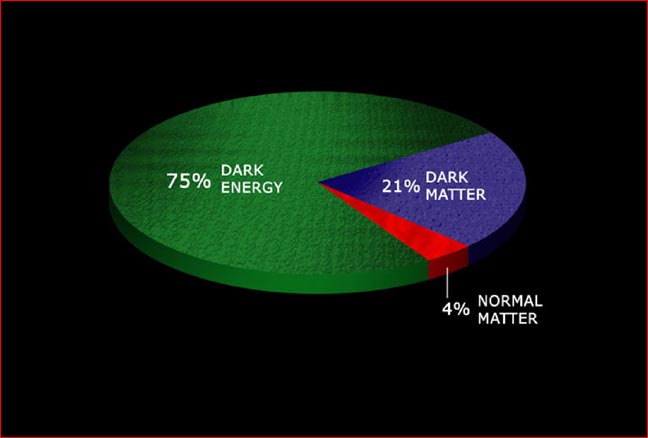
One problem with the acceptance of dark energy and dark matter is that they are presented as if they are brothers, as if presenting merely the start of a new line of cheap ad hoc fudge factors: Dark energy, dark matter, dark force, what next? However, dark energy is not a fudge factor and not new.

dark energy dark matter

Just what computer scientists want - dumb jocks getting all of the credit for artificial intelligence.

Or maybe computer scientists are simply letting football players think they matter, and they are really just data.

For artificial intelligence to get out of its 20-year rut, a computer has to be able to observe a complex operation, learn how to do it, and then optimize those operations or accomplish other related tasks. What if a computer could watch video of football plays, learn from them, and then design plays and control players in a football simulation or video game?