




Weakened immunity is a serious issue for older people. Because our immune systems become less effective as we age we suffer from more infections and these are often more severe. This is an important process that has probably evolved to prevent certain cancers, but as the proportion of inactive cells builds up over time our defenses become weakened. This takes a serious toll on health and quality of life. 

Research in the Journal of Immunology outlines a new mechanism controlling aging in white blood cells. The research opens up the possibility of temporarily reversing the effects of aging on immunity and could, in the future, allow for the short-term boosting of the immune systems of older people. 

Why did adult human cardiac myocytes, specialized muscle cells in the heart,  lose the ability found in newts and salamanders to proliferate, perhaps explaining why the human heart has little regenerative capacity?
 
A study using cell lines and mice may lead to methods of reprogramming a patient's own cardiac myocytes within the heart itself to create new muscle to repair damage, said Dr.

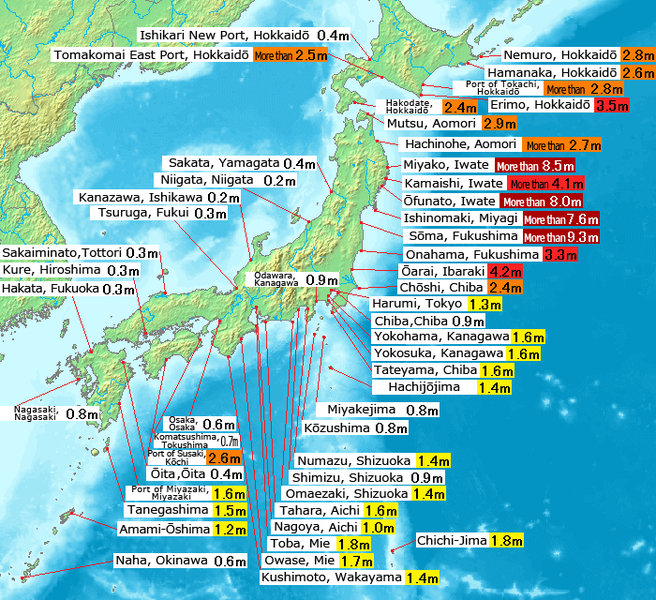
We all remember the earthquake and ensuing tsunami that hit Japan (see figure 1) and caused major troubles in the Fukushima nuclear power plant, which was severely damaged. Problems with containing radiation followed, leading to the pumping of huge amounts of seawater into the reactor, in an attempt to cool it down.


earthquake observed in Japan

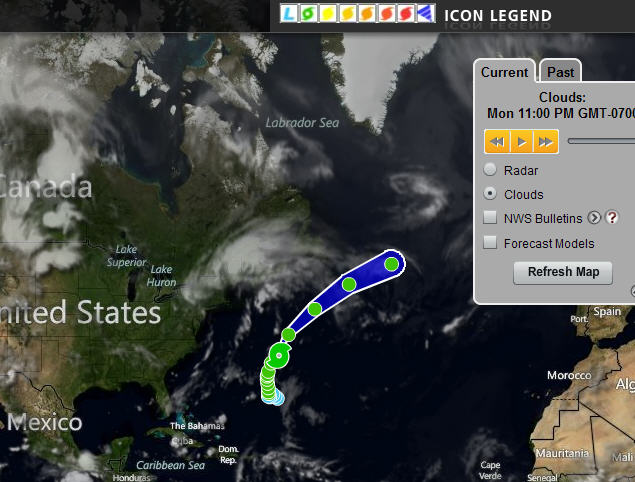
As hurricane season ramps up, MyWeather.com is offering critical information to those at risk of tropical storms and hurricanes.   Here is the science behind the storms and 5 common myths debunked.

1) Myth: The area and size of a hurricane determines the severity of its impact.

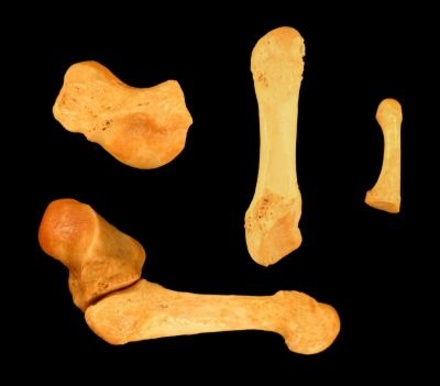
When nails appeared on all fingers and toes in modern primates about 55 million years ago, they led to the development of critical functions, including finger pads that allow for sensitive touch and the ability to grasp.

Recent data demonstrate that fossil-fuel related emissions of both methane and ethane, two of the most abundant hydrocarbons in the atmosphere, declined at the end of the twentieth century, according to a paper in Nature.

The causes of the decline in methane emission rates to the atmosphere have been puzzling scientists for some time. This new study shows that a change in human activities may have played a key role in the recent leveling off of methane, which has 23X the warming effect of CO2.

In many cases, you can determine a child's age by what affliction their helicopter parents have saddled them with and you don't even have to meet the kid.  If they are ADHD, for example, they are likely close to graduating high school.  If you look in a grade school today, 25 percent of kids will be on 'the spectrum' for Autism and those that aren't may have a life-threatening allergy.

A generation ago, very few children had allergies to nuts and so it was taken seriously.   Today, with hyperactive parents flipping out in restaurants over nothing every day, there is a lot more skepticism.  The result is that actual nut-allergy sufferers face hostility and disbelief when trying to find safe environments for their children.

From a certain perspective, it's really weird that we manage fisheries in these discrete little units based on species. There are swordfish permits, swordfish boats, swordfish managers. There are squid permits, squid boats, squid managers. And so on.

But species don't exist in neat boxes. That's the fundamental truth behind ecology. When you go out to catch one species, you're bound to run across several other species as well, and even the most carefully designed fishing gear will occasionally catch something it wasn't supposed to.

In patients with seriously altered states of consciousness, there is also the puzzle about dreaming.   Do ‘vegetative’ patients (also known in clunkier, politically correct fashion as patients in a state of unresponsive wakefulness) or minimally conscious state patients experience normal sleep?  Electrophysiological studies have been no help so the hypothesis is if the vegetative state opens no conscious door onto the external world, the state of minimal consciousness for its part assumes a residual consciousness of the environment, certainly fluctuating but real.

