

On May 27th, 2006 the ground on Java, an Indonesian island, shook with a magnitude 6.3 earthquake. The epicenter was located 25 km southwest of the city of Yogyakarta and initiated at a depth of 12 km.

The earthquake took thousands of lives, injured ten thousand more and destroyed buildings and homes. 47 hours later, about 250 km from the earthquake hypocenter, a mud volcano formed that came to be known as "Lusi", short for "Lumpur Sidoarjo". 

Hot mud erupted in the vicinity of an oil drilling-well, shooting mud up to 50 m into the sky and flooding the area. It continues to erupt today and scientists expect the mud volcano to be active for many more years

Eruption of mud volcano was natural - not an oil well

My vague libertarian leanings want me to stay out of the marijuana issue, just like I don't interfere in vaginas and just like I think the government should stop micromanaging gold fish and Big Gulps and telling restaurants whether or not to allow a cigar after a great steak.

But marijuana has become a political issue and it has fallen along predictable political lines; if you think cigarettes should be banned and marijuana legalized, I know how you vote. And therefore the people suddenly presenting nonsense statistics, dubious medical claims and sociological woo are seemingly doing it because they want to stick it to right wing people who are against pot.  That's not science, people.

Global warming is on hold, at least temporarily, and being five years behind means we have time for a legitimate basic research solution to become viable technology.

A classic trash-to-treasure story would be producing electricity from carbon dioxide. A new method uses CO2 from electric power plant and other smokestacks as the raw material for making electricity.

Food waste is a big problem, particularly in the developing world, but also in the rich world.   I have seen quite a bit written recently about how one of the best ways to improve the sustainability and lower the footprint of food production would be to reduce waste.  While this is absolutely true, the perspective that has been missing is that we have been working on this issue for a very long time and have made significant advances over the last several decades.

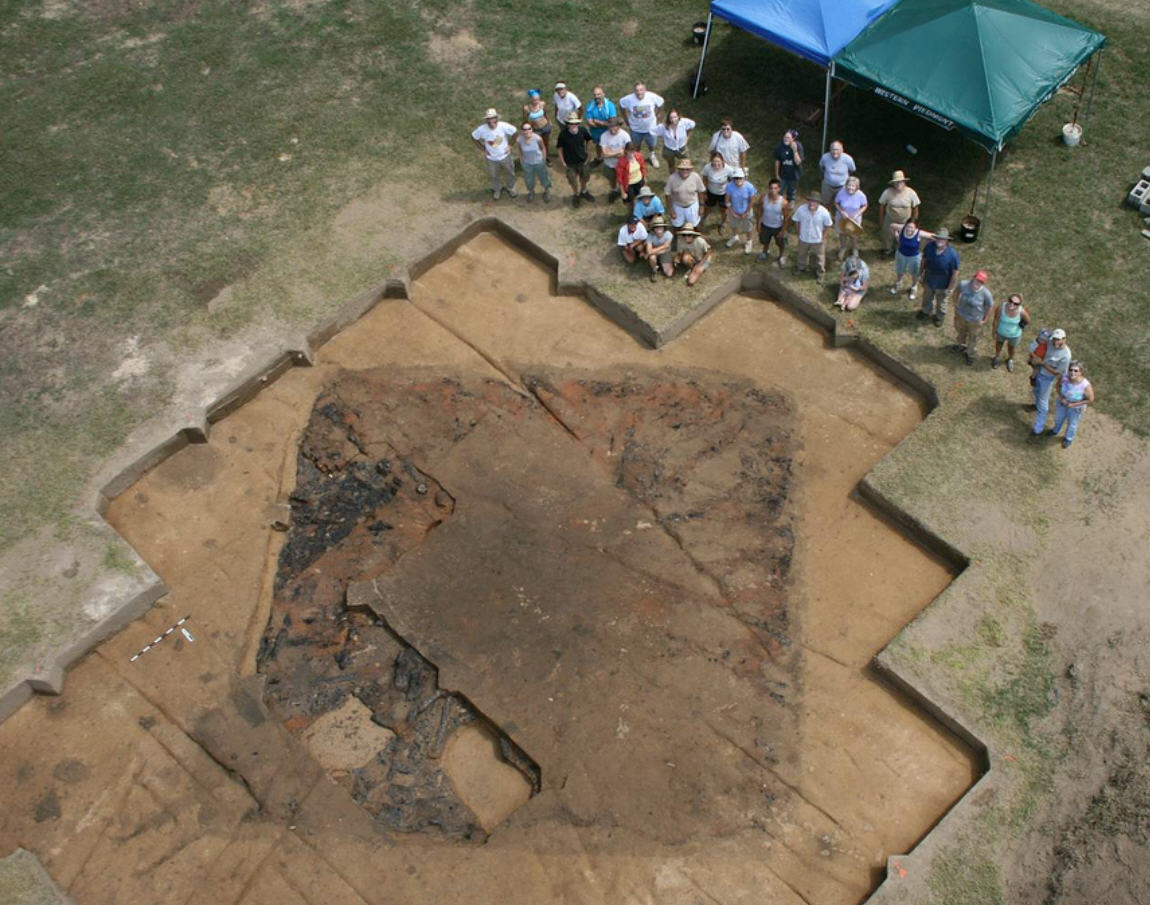
Appalachian-Americans rejoice, archaeologists have added a new piece to your heritage puzzle. The remains of the earliest European fort in the interior of (what is now) the United States have been discovered - and it gives new insight into both the start of the U.S. colonial era and the imperialism of the Spanish.

Concerned parents have been worried about the potential impact of exposure to low levels of mercury on the developing brain, such as when pregnant women consume fish, and that has led to claims that the chemical may be responsible for behavioral disorders such as autism.

Synthetic materials made from organic polymers, like polyurethane foams, usually burn very well due to their high carbon content. They not only burn easily; depending on their chemical composition they can produce toxic gases such as hydrogen cyanide or carbon monoxide.

Upholstered furniture and mattresses commonly use polyurethane foams so they have to be treated with flame retardants. 

The main active constituent of cannabis - tetrahydrocannabinol or THC - has not shown to be effective in slowing the course of progressive multiple sclerosis (MS).

The CUPID (Cannabinoid Use in Progressive Inflammatory brain Disease) study was carried out by researchers from Plymouth University Peninsula Schools of Medicine and Dentistry,the Medical Research Council Clinical Trials Unit and University College London and is the first large, non-commercial clinical study of THC for MS progression.

Of the estimated 20,000 genes humans have, only a fraction are turned on at any given time. It depends on the cell's needs, which can change by the minute or hour.

Determining what those genes are doing means using tools that can manipulate their status on similarly short timescales and that is now possible with technology developed by the Eli and Edythe L. Broad Institute of Harvard and MIT. It can rapidly start or halt the expression of any gene simply by shining light on the cells.

The advance in optogenetics, which uses proteins that change their function in response to light, is possible because researchers adapted light-sensitive proteins to either stimulate or suppress the expression of a specific target gene almost immediately after the light comes on.

Adineta vaga, the delloid rotifer, abandoned sex yet still produced more than 460 species over evolutionary time.

Rather than the standard way of using sexual reproduction to weed out harmful mutations to its DNA, this tiny aquatic animal appears to have adopted other strategies to maintain lineages over millennia that aren't burdened by genetic damage or killed off altogether.

