


A pale pink, half-moon shaped scar sits above my left breast as a  reminder of my youth spent at Jones Beach with more baby oil than sunscreen, doing more baking than bathing. My scar is from having MOHS micrographic surgery, after basal cell carcinoma was found in a biopsy of a mole.

Basal cell carcinoma is one of several types of nonmelanoma skin cancers, which are the most common forms of skin cancer in the United States.  According to a study in the "Archives of
Dermatology", as of 2006, there have been 3.5 million cases a year in 2 million American people.

Princeton researchers found that high-fructose corn syrup-- the basic sweetener is sodas and just about everything-- causes more weight gain that sugar.  Calorie for calorie, rats got fatter on the corn syrup than on sugar.

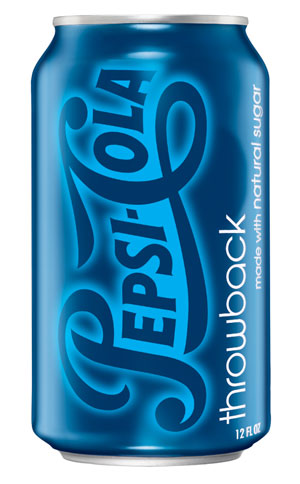
And at the same time, PepsiCo has released 'Throwback' products-- Pepsi sodas made with sugar instead of corn syrup.  So if researchers are saying sugar is better for you, we need to check which tastes better-- corn syrup or sugar?

Consumers continue to click on spam despite awareness of how bots and viruses spread through risky email behavior, according to the Messaging Anti-Abuse Working Group (MAAWG). Their findings were based on a survey it released today covering North America and Western Europe and said that even though over eighty percent of email users are aware of the existence of bots, tens of millions respond to spam in ways that could leave them vulnerable to a malware infection.

A team of geologists say that, in just two centuries, stunning population growth, sprawling megacities and increased use of fossil fuels have wrought such vast and unprecedented changes to our world that humans actually might be ushering in a new geological time interval they have dubbed the "Anthropocene Epoch".

Writing in Environmental Science and Technology, the team says the dawning of this new epoch may include the sixth largest mass extinction in Earth's history.
Depictions of bioethical issues and professionalism portrayed in two popular medical dramas—"Grey's Anatomy" and "House, M.D."—suggest that the shows are "rife" with ethical dilemmas and actions that often run afoul of professional codes of conduct, according to a review in the Journal of Medical Ethics

The authors admit that their findings would end up stating the obvious. But they nonetheless wanted to provide data that would explain how these depictions influence the perceptions of viewers, both health professionals and the general public.

They also hope the research will inform discussions about whether medical dramas should be shown in a classroom to spur conversations about ethics and professionalism among medical and nursing students.

